Taxi Shutdown in Ekurhuleni Leaves Commuters Stranded, While Talks Continue Behind Closed Doors
 Viable News Team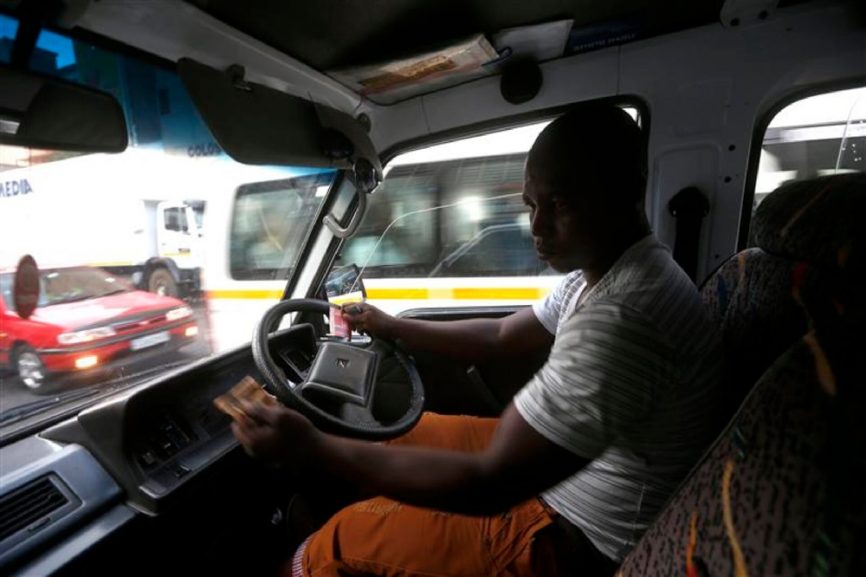
Thousands of commuters across parts of Ekurhuleni were left frustrated and stranded on Thursday morning as taxi operations ground to a halt following a dispute between the South African National Taxi Council (Santaco) and transport authorities. The disruption, which mainly affected Benoni, Katlehong, and Kempton Park, came after the Gauteng Department of Transport impounded 17 minibus taxis for various offences, including unroadworthy conditions.

While initial fears suggested that the strike could spread across the province, Santaco quickly moved to clarify that the shutdown would be confined to affected parts of Ekurhuleni. “Commuters across the province can continue to rely on normal taxi operations,” said Santaco Provincial Secretary Graham Fritz. “Regarding Ekurhuleni, the provincial and national leadership of the council is actively engaged in constructive dialogue aimed at resolving the outstanding matters.”
The Heart of the Dispute
The incident underscores long-standing tensions between taxi operators and transport authorities. For years, government officials have sought to enforce stricter compliance on roadworthiness and safety, while the taxi industry has argued that enforcement efforts are often heavy-handed and punitive.
The impounding of 17 taxis this week was the spark that ignited Thursday’s disruption. Santaco officials claim that the actions were unfair, while the Department of Transport insists that road safety must remain a non-negotiable priority. “We cannot allow unsafe vehicles to continue carrying passengers. The safety of commuters is paramount,” said a departmental spokesperson.
Commuters Caught in the Crossfire
As is often the case during transport disputes, commuters bore the brunt of the shutdown. Long queues formed at bus stations and train platforms as people scrambled for alternative transport. Others were left with little choice but to walk long distances or miss work and school altogether.
“I had to walk nearly an hour to get to work,” said one Katlehong resident. “It’s frustrating because we understand the issues, but at the end of the day it’s ordinary people like us who suffer.”
Public frustration is growing, with many calling on both Santaco and government to resolve disputes without leaving commuters stranded.

Talks to Find a Resolution
Despite the immediate inconvenience, Santaco has assured commuters that negotiations are ongoing and that a sustainable resolution remains the ultimate goal. “We are also in ongoing dialogue with both the Gauteng Provincial Government and the National Transport Ministry to ensure these issues are resolved speedily and amicably,” Fritz explained.
He emphasized Santaco’s commitment to negotiation over confrontation, adding that updates on the status of taxi operations in Ekurhuleni would be communicated once a decision had been reached.
A Larger Conversation
The shutdown has reignited debate over the future of South Africa’s taxi industry the backbone of public transport, carrying millions of commuters daily. Questions about safety standards, enforcement fairness, and the balance between commuter safety and operator livelihoods remain unresolved.
Transport analysts warn that without deeper reforms and improved cooperation between government and the taxi industry, clashes like these are likely to continue. “The taxi industry is indispensable, but it cannot continue operating in an environment where safety concerns and disputes overshadow service delivery,” said one expert.
The Road Ahead
For now, commuters in the rest of Gauteng can breathe a sigh of relief that the shutdown has not spread beyond Ekurhuleni. But for those in affected areas, the daily uncertainty of whether taxis will be available remains a pressing challenge.

As negotiations continue, both Santaco and government face mounting pressure to find common ground — not only to resolve the immediate dispute, but also to address the deeper systemic issues that frequently plunge the sector into turmoil.
Until then, the question remains: how long will commuters be forced to carry the cost of an industry and government still struggling to find lasting solutions?
About the Author