Two E-Hailing Drivers Shot in KwaDabeka: KZN MEC Duma Vows Action to Prevent Taxi-E-Hailing Bloodshed
 Viable News Team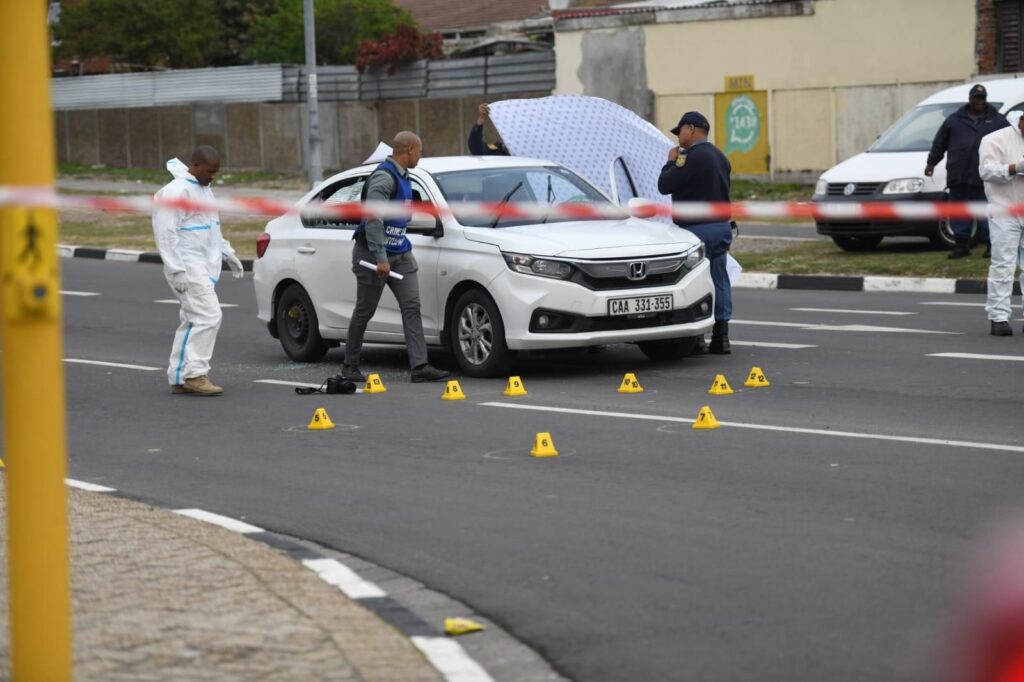
Tensions in KwaZulu-Natal’s transport sector are once again under the spotlight after two e-hailing drivers were shot and wounded in KwaDabeka, west of Durban. The attack has raised fresh fears of renewed conflict between traditional taxi operators and e-hailing drivers, a rivalry that has, in the past, turned deadly.

KwaZulu-Natal Transport MEC, Siboniso Duma, confirmed the incident on Wednesday and pledged urgent intervention to prevent further violence.
“Over the past few minutes, we have been in touch with the leadership of the KZN e-Hailing Council. The leadership has offered to work with me and other key stakeholders to ensure that we do not see more bloodshed and the escalation of conflict,” said Duma.
Healing Old Wounds, Preventing New Ones
For families of e-hailing drivers, the shooting in KwaDabeka has reopened painful wounds. Duma referenced the killing of Mthokozisi Mvelase, an e-hailing driver who was murdered during previous clashes. His death has become a haunting reminder of how unresolved disputes over permits, routes, and market share continue to put drivers at risk.
Duma stressed that the government’s priority is to ensure peaceful co-existence between e-hailing operators and the minibus taxi industry. Both, he said, remain central to South Africa’s public transport ecosystem.

“These drivers are the backbone of the public transport system. As the department, we want to ensure that they all enjoy access to socio-economic opportunities,” Duma stated.
Operation Shanela and Law Enforcement on High Alert
The MEC revealed that he has instructed Operation Shanela, a law enforcement initiative under the Provincial Regulatory Entity (PRE), to work closely with the South African Police Service (SAPS) to clamp down on violence and regulate competition in the sector.
Duma said KwaDabeka’s shooting must serve as a warning that law enforcement cannot afford complacency, drawing parallels with past unrest, such as the violent standoff at Maponya Mall in Soweto, where taxi and e-hailing drivers clashed.
“The Dabeka shooting will unfortunately reopen healing wounds, but it must also push us to act decisively,” he said.
E-Hailing Regulation on the Horizon
One of the biggest sources of conflict has been confusion around permits, routes, and operational boundaries for Uber, Bolt, and other e-hailing services. Traditional taxi operators have long argued that e-hailing drivers enjoy an unfair advantage by operating without the same restrictions and regulations.

Duma explained that the Department of Transport has already begun formal discussions with all stakeholders through the KZN E-Hailing Council, Uber, and Bolt representatives. These meetings, he said, will continue until the official rollout of regulations under the amended National Land Transport Amendment (NLTA) Act.
“The meeting between myself, the KZN e-hailing council, and the PRE will ensure that we reflect on the state of readiness for the implementation of the e-hailing industry. We want to do what is in the interest of e-hailing operators, the taxi industry, and the public at large,” Duma said.
Communities Caught in the Middle
For ordinary commuters, the conflict is more than a turf war. It has direct consequences for safety, affordability, and accessibility. Many rely on both minibus taxis and e-hailing services for their daily commute, particularly in areas where one service is not available or reliable.

Community leaders in KwaDabeka have appealed for calm, warning that fear and intimidation will only further destabilize neighborhoods already struggling with unemployment and crime.
The Road Ahead
The KwaDabeka shooting is not an isolated incident but part of a broader national crisis over how e-hailing services should be regulated within South Africa’s transport sector. While the government has promised swift action, many observers believe that only clear legal frameworks, coupled with robust law enforcement, will prevent further bloodshed.
For now, the message from Duma is one of urgency and unity. But as history has shown, without decisive follow-through, promises of peace risk being drowned out by the sound of gunfire.
About the Author