OpenAI CEO Sam Altman says the feared AI “jobs apocalypse” hasn’t happened.
 Viable News Team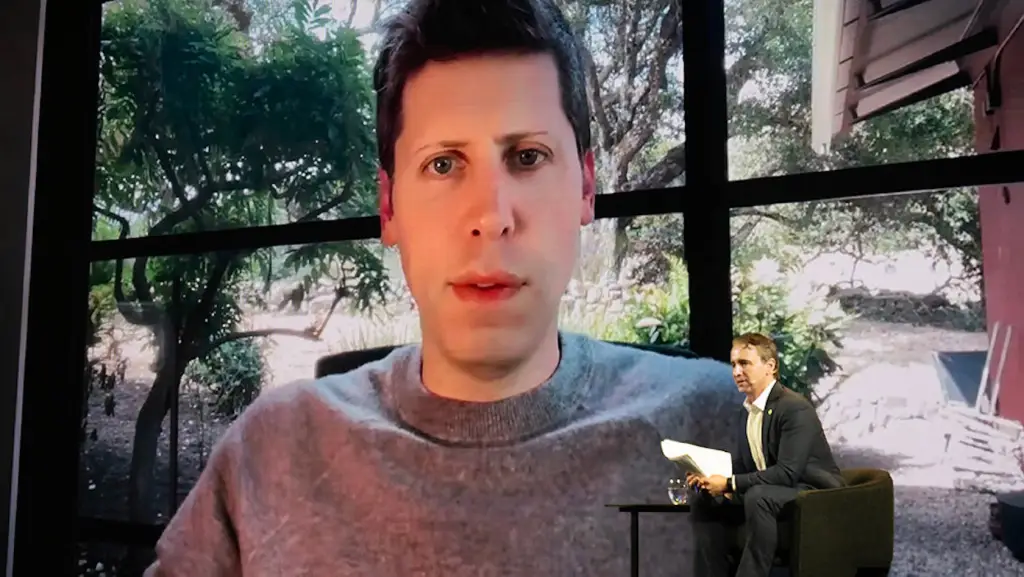
Sam Altman says the rise of artificial intelligence has not triggered the widespread white-collar job losses he once feared, admitting that some of his earlier predictions about AI’s social and economic impact were off the mark.
Speaking virtually at a conference hosted by Commonwealth Bank of Australia in Sydney on Tuesday, the OpenAI chief reflected on how quickly AI technology has evolved since the launch of ChatGPT in 2022.
Altman explained that while OpenAI’s expectations around the pace of technological progress were largely accurate, the company misjudged how society and the global workforce would respond to the rapid adoption of AI tools.
“We were pretty wrong on the social and economic implications,” Altman reportedly said during the event, adding that fears of a global “jobs apocalypse” had not materialised in the way many initially expected.
When ChatGPT burst onto the scene nearly four years ago, concerns quickly emerged about the future of employment, especially for white-collar professionals working in sectors such as finance, law, customer service, media, and software development. Many experts warned that generative AI systems could replace millions of office-based jobs by automating tasks traditionally handled by humans.
However, Altman suggested the reality has been more complex. Rather than completely replacing workers, AI has largely become a productivity tool integrated into existing workflows. Many companies have adopted AI to assist employees with research, writing, coding, data analysis, and administrative tasks instead of fully eliminating positions.
The comments come as businesses worldwide continue investing heavily in AI technologies despite growing debates around regulation, ethics, and labour disruption. While some industries have experienced restructuring linked to automation, economists note that large-scale employment collapse has not occurred at the speed some predicted.
Altman also acknowledged that the long-term effects of AI remain uncertain. Experts continue to debate whether future generations of more advanced AI systems could still significantly reshape labour markets over time.
OpenAI remains one of the leading companies driving the global AI boom, with ChatGPT now used by hundreds of millions of people worldwide. The company has faced both praise and criticism for accelerating the development of generative AI technologies that are rapidly changing education, business, entertainment, and communication.
Despite concerns about job displacement, many organisations are increasingly focusing on how workers can adapt alongside AI rather than compete directly against it. Analysts believe the technology may ultimately transform jobs rather than eliminate them entirely, creating demand for new skills and industries in the process.
About the Author