MK Party Appoints Seven-Member Coalition Team as Dali Mpofu Says Critics Wrote It Off
 Viable News Team
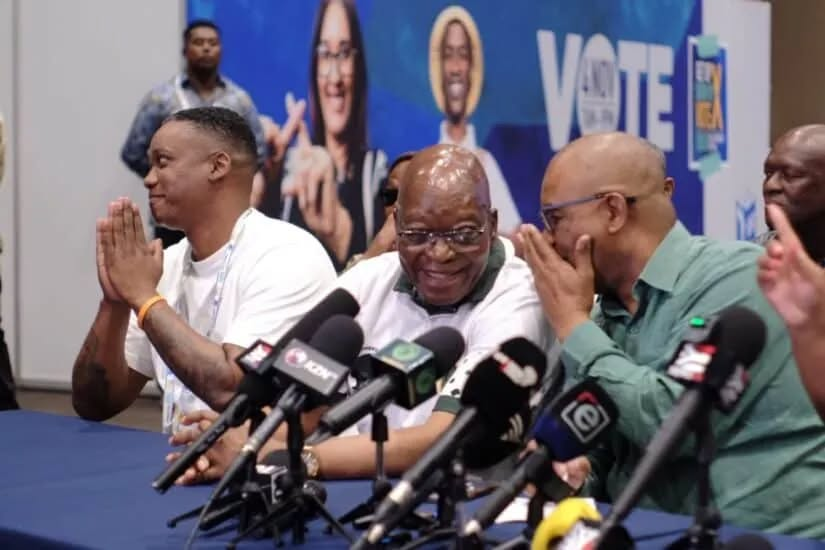
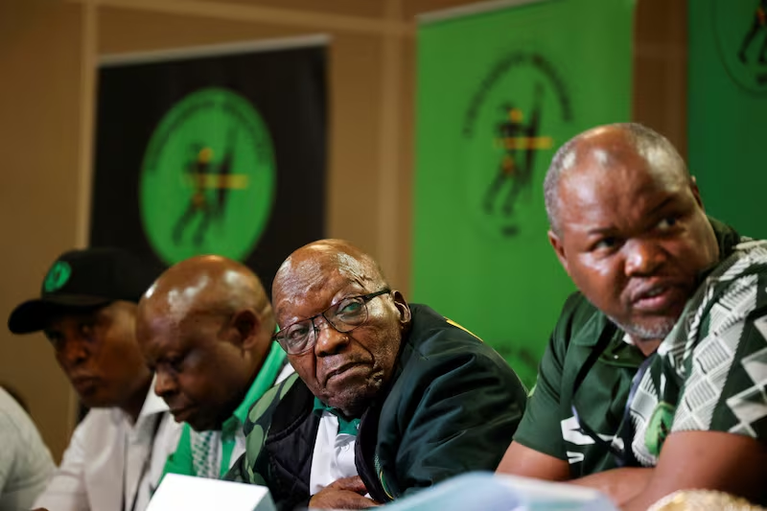
The announcement was made by Advocate Dali Mpofu during a media briefing in Durban on Saturday, 7 November 2026, where he also challenged those who had predicted that internal leadership changes would weaken the party.
“You wrote off uMkhonto weSizwe,” Mpofu said, arguing that the party’s electoral support had answered its critics.
The newly appointed team will coordinate discussions with other political parties and assess possible coalition partnerships at municipal level.
Who is on the negotiating team?
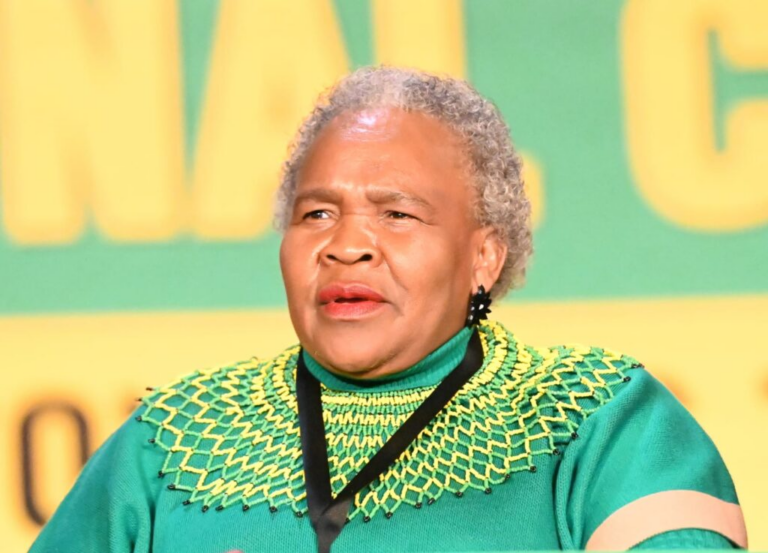
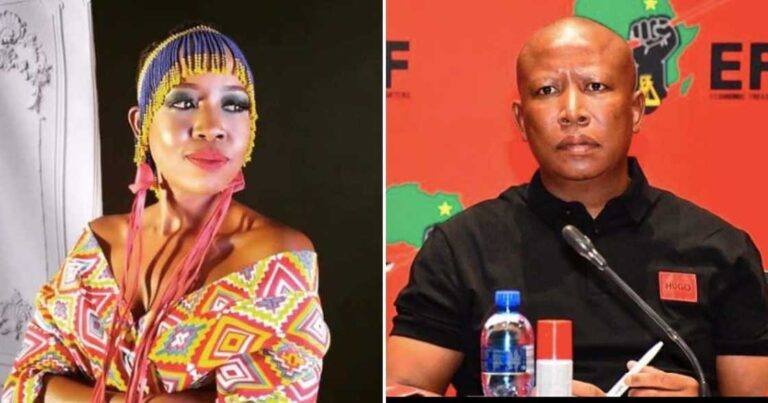
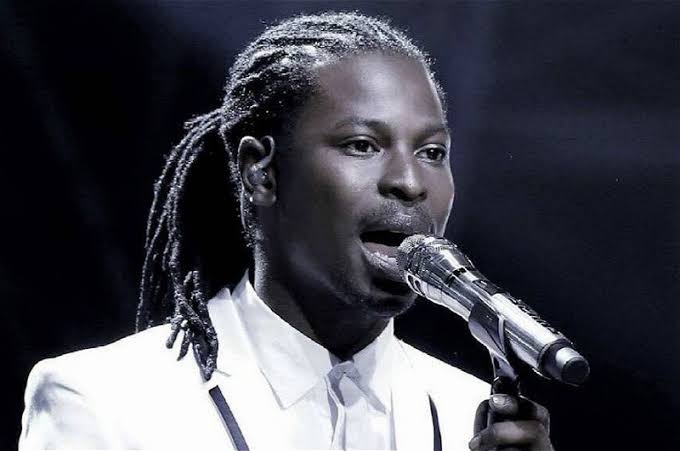
The seven-member team appointed by party president Jacob Zuma consists of:
- Advocate Dali Mpofu
- Duduzane Zuma
- Tony Yengeni
- Willies Mchunu
- Mxolisi Phakathi
- Lindiwe Mtshali
- Dr Thanti Mthanti
The team will be responsible for engaging potential coalition partners, assessing political and policy alignment, negotiating agreements and making recommendations on governance arrangements.
MK Party sets conditions for coalition partnerships
Mpofu said the party would not enter coalition agreements simply to secure political positions.
Instead, potential partners will be assessed according to their political alignment with the MK Party’s policies, their ability to govern effectively, financial sustainability, integrity and commitment to delivering on agreed promises.
The party also wants all coalition agreements to be put in writing, with measurable targets and clear accountability mechanisms.
This means any party entering an agreement with MK would be expected to commit to specific policies and governance objectives rather than relying on informal political arrangements.
The negotiating team will also consider how council seats are distributed and whether potential partners have the capacity to run municipalities.
National leadership retains final authority
The MK Party has made it clear that coalition negotiations will be controlled at national level.
The national negotiating team will coordinate discussions, but final approval of any agreement will remain with the party’s presidency.
Provincial, regional and local structures will not be allowed to independently negotiate or sign coalition agreements on behalf of the party.
Structures may participate in discussions when authorised, but they must follow the national framework.
The party says this approach is intended to ensure that coalition decisions remain consistent with its political programme and leadership direction.
MK Party also questions the election process
Despite preparing for coalition negotiations, the party has also raised concerns about outstanding objections relating to the 2026 local government elections.
Mpofu questioned the handling of electoral complaints and indicated that the party wanted outstanding issues addressed before the final results were declared.
The Electoral Commission of South Africa (IEC) confirmed on Saturday that it had received 197 objections by 3pm. Of these, two had been upheld, 54 dismissed and eight withdrawn.
The commission said the two upheld objections required affected results to be reviewed and recaptured. It also cautioned that results displayed on its dashboard remained provisional while outstanding processes were being completed.
The IEC planned to formally announce the final election results on Sunday, 8 November, at 6pm.
The challenge ahead
The appointment of the negotiating team marks an important step for the MK Party as it seeks to turn its electoral support into governing influence.
Coalition discussions could determine who controls several municipalities where no political party has secured an outright majority.
For the MK Party, the challenge will be finding partners whose policies and governance priorities align with its own, while ensuring that any agreements can translate into effective municipal administration and service delivery.
About the Author