Ntsiki Mazwai Explodes at South Africans Celebrating Julius Malema’s Sentencing
 Viable News Team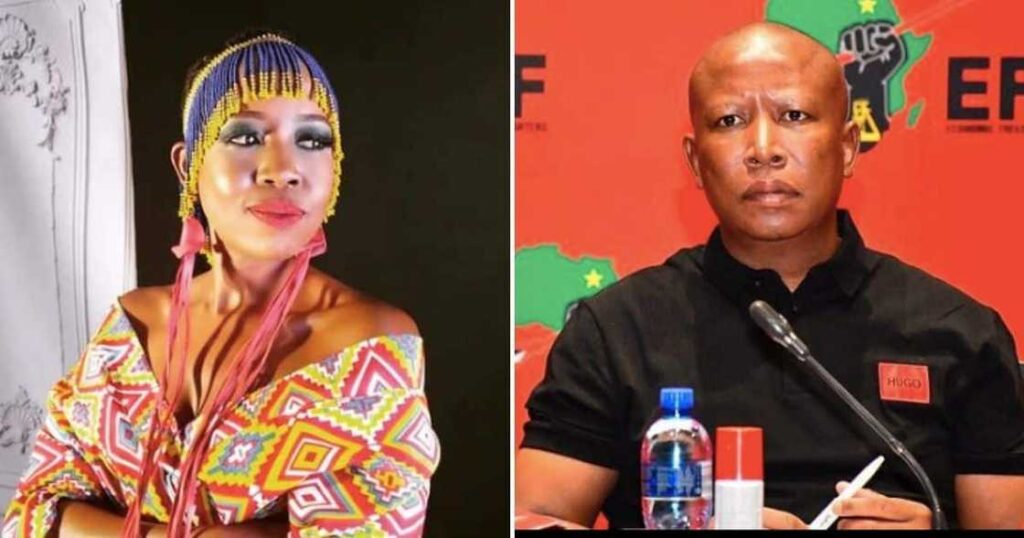
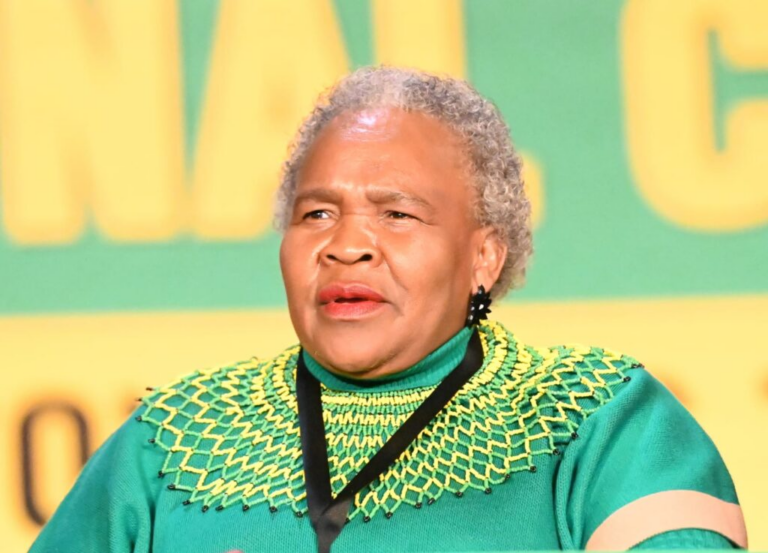
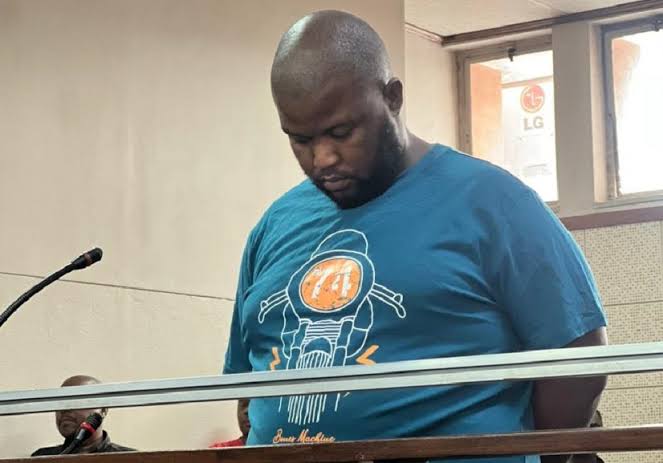
Poet and activist Ntsiki Mazwai has once again sparked a national debate this time after reacting sharply to the sentencing of Economic Freedom Fighters (EFF) leader Julius Sello Malema. Malema appeared before the East London Magistrate’s Court on 16 April 2026, where he was handed a five-year prison sentence for firing a firearm at a political rally in 2018.
What unfolded next on social media turned into an emotional storm, as many South Africans responded to the news with mixed reactions ranging from celebration to outrage. Among the loudest voices was that of Ntsiki Mazwai, who took to her X account to express her anger not over the sentence itself, but over what she described as the disturbing excitement shown by some black South Africans.
Ntsiki Mazwai Slams Those Cheering Malema’s Downfall
Mazwai’s reaction was both fierce and deeply personal. Although she has had public disagreements with Malema for years, she made it clear that she refused to join those celebrating his fall.
According to Mazwai, despite the “bad blood” between them, she never hated the Julius Malema. She described him as a “fearless leader” who made decisions boldly whether right or wrong. She added that her criticisms of him in the past were never rooted in hatred but in accountability.
In her post, Mazwai explained that she comes from a household where one is taught “to keep their side of the road clean.” She acknowledged openly that Malema had treated her poorly, saying, “He hated me from the day I asked about the EFF succession plan, because I knew a day like this could come.”
Her statement hinted at long-standing tensions between the two, particularly around internal democracy within the Economic Freedom Fighters (EFF). Even so, Mazwai insisted that political disagreements should not make people celebrate another black person’s imprisonment.
She expressed disappointment at how quickly some individuals took joy in seeing Malema sentenced, arguing that this mentality contributed to deeper social and political divisions within the black community.
Ntsiki Goes on a Social Media Rampage
Following her initial post, Mazwai continued to unleash a series of sharp remarks directed at those mocking Malema’s situation. Social media users watched in real time as she “crashed out” on the timeline, calling out what she described as hypocrisy and hatred disguised as political opinion.
Her timeline became a battleground of heated exchanges. Some supported her perspective, praising her for defending black dignity even against those she personally disagreed with. Others accused her of inconsistency, reminding her of past criticisms she had levelled at Malema.
Nonetheless, Mazwai stood firm in her stance, saying her reaction had nothing to do with political allegiance but with principle and humanity.
Jackie Phamotse Also Sends a Message to Malema
Mazwai was not the only public figure who responded with strong emotion to Malema’s sentencing. Author and media personality Jackie Phamotse penned an open letter addressed directly to Malema.
In her message, Phamotse acknowledged that leadership comes with consequences, and she described Malema’s imprisonment as a “price to pay” for walking a difficult path. She encouraged the EFF leader to remain strong and to face the sentence with dignity.
Phamotse drew parallels between Malema and other historic leaders who had faced legal challenges and imprisonment. She noted that many iconic figures endured hardship before becoming symbols of resistance and change. However, her comparison stirred controversy online. Critics accused her of glorifying Malema and placing him on the same pedestal as revered leaders whose struggles were rooted in different political and moral contexts.
The backlash did not stop Phamotse from expressing her belief that hardships faced in leadership often shape individuals into more powerful figures. Her letter added a new layer to the discussion, with supporters applauding her empathy while detractors dismissed her analogies as exaggerated.
A Nation Divided by One Sentence
The sentencing of Julius Malema has exposed the deep fault lines that continue to shape South African politics. Reactions to the event have ranged from celebration to disappointment, sympathy to condemnation.
For some, Malema’s prison term is seen as accountability for an irresponsible act. For others, especially those who view him as a champion of economic justice, it represents a painful political moment.
Ntsiki Mazwai’s fiery defence of Malema despite their tumultuous past has reignited debates about unity, leadership, and how black South Africans respond to each other’s failures. Her message challenges the culture of public mockery and asks whether political rivalry should outweigh empathy.
Similarly, Jackie Phamotse’s letter reminds the nation that leaders, regardless of their political stance, often walk difficult and lonely paths.
Conclusion
As Malema begins his five-year sentence, South Africa enters yet another chapter of political tension and reflection. The loud voices of cultural figures like Ntsiki Mazwai and Jackie Phamotse highlight just how emotionally charged and complex the country’s political landscape remains. Their responses underline a painful truth: South Africans are still deeply divided not only by politics but by the lenses through which they view justice, leadership, and one another.
About the Author