Viable News Team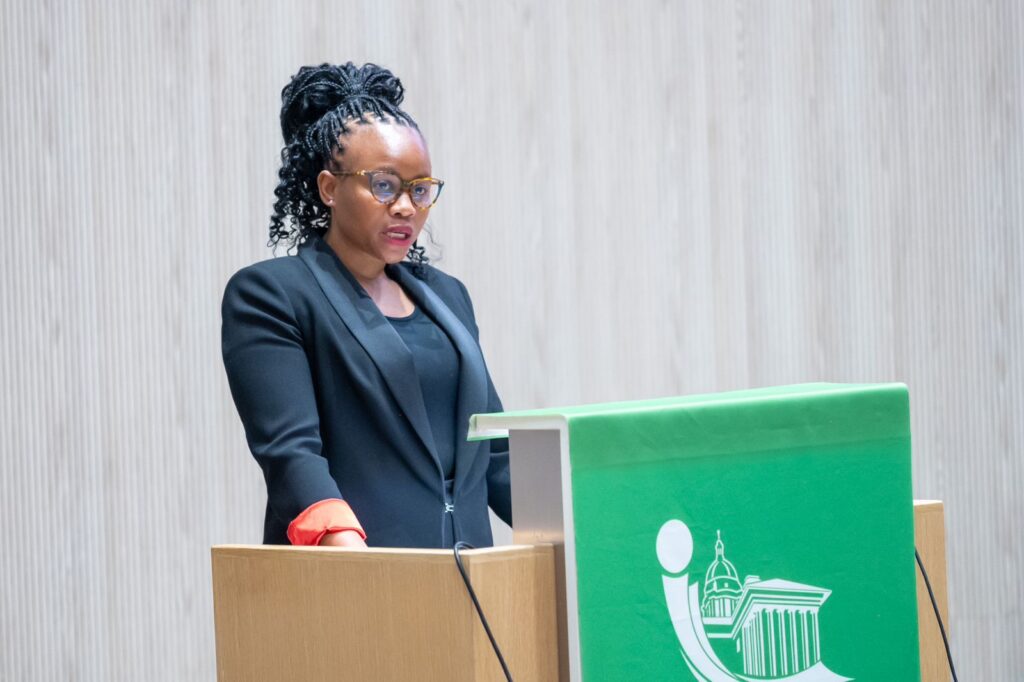
PRETORIA – Tshwane Mayor Nasiphi Moya has committed to repaying R270,000 to the City of Tshwane after it emerged that she was overpaid during her tenure as a city official. The Democratic Alliance (DA), which governs the metro, has welcomed the decision, saying it reflects accountability and respect for public funds.

This marks the second time Mayor Moya has had to reimburse the municipality. Earlier this year, she repaid R10,000 after the city covered the cost of an international trip that she was ultimately unable to attend.
A Rare Step in South African Politics
The issue of public officials repaying money to municipalities is a rare one in South African politics, where financial mismanagement and corruption scandals often dominate headlines. In this case, the mayor’s willingness to correct the overpayment has been framed as an important gesture in rebuilding public trust.

A spokesperson for the Tshwane Council confirmed that the overpayment was discovered during a routine audit of payroll and benefits. Once identified, the error was flagged, and the mayor agreed to pay the amount back without contest.
DA Welcomes Move, But Opposition Skeptical
The DA hailed Moya’s decision as an example of ethical leadership in action.
“This is a positive step. The mayor has shown that when errors are identified, they must be corrected immediately. It sets a good example for all officials who are entrusted with public resources,” said a party statement.
However, not everyone is convinced. Opposition parties in the council have raised questions about how such a significant overpayment was allowed to occur in the first place. The Economic Freedom Fighters (EFF) and the ANC caucuses in Tshwane argued that the repayment, while necessary, does not erase the fact that the city’s financial systems appear vulnerable to error or potential abuse.

“The people of Tshwane deserve to know how this happened. Who signed off on these payments? Was there negligence or was it deliberate?” asked one opposition councillor.
Tshwane’s Financial Pressures
The repayment comes at a time when Tshwane is under intense financial pressure. The metro has been struggling to settle its debt with Eskom, which has ballooned into the billions of rands. Council officials have been working on a plan to avoid power cuts that could plunge parts of the capital into darkness if the utility is not paid.
Against this backdrop, every cent counts. For residents, the fact that money is being repaid to the city may be seen as a small but symbolic victory for accountability.

The Bigger Question: Oversight and Systems
Governance analysts say while the repayment is welcome, it raises important questions about oversight in municipal finances.
“The fact that such a large overpayment went unnoticed until recently points to weaknesses in internal controls. Yes, it’s good that the money is being paid back, but taxpayers need to know that systems are strong enough to prevent this happening in the first place,” said Professor Masego Ndlovu, a public administration expert at the University of Pretoria.
She added that municipalities across South Africa are often plagued by payroll errors, ghost employees, and unchecked benefits. Stronger auditing mechanisms, she argued, are essential if metros like Tshwane are to regain financial stability.

Public Perceptions and Political Optics
For Mayor Moya, the repayment could be both a challenge and an opportunity. While critics may use the incident to highlight weaknesses in her administration, supporters argue it shows her integrity and willingness to take responsibility.
As the City of Tshwane continues to face service delivery challenges, from electricity debt to water shortages and potholes, residents may see this act of repayment as a refreshing if small departure from the norm of evasiveness and denial often seen in politics.

A Lesson in Accountability?
Whether the incident becomes a minor footnote in Tshwane’s political life or a turning point in how leaders handle public money remains to be seen. For now, one fact is clear: R270,000 will be returned to the city’s coffers, and the mayor has positioned herself as a leader willing to admit mistakes and correct them.
As South Africa inches closer to local government elections in the coming years, gestures like these however small in the broader financial picture could help redefine what citizens expect from their leaders.
About the Author