White House Fires CDC Chief Susan Monarez Amid Vaccine Policy Showdown
 Viable News Team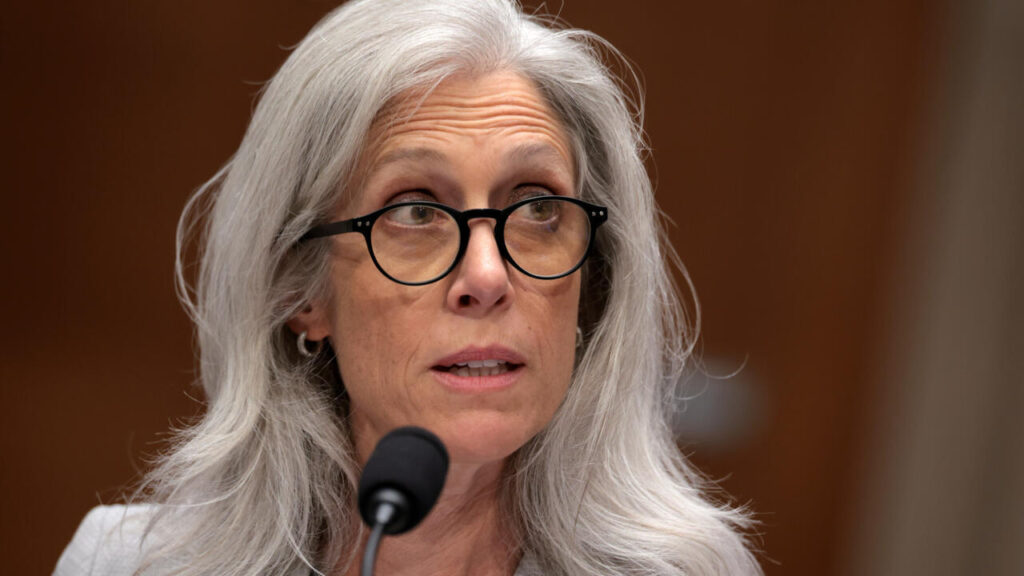
WASHINGTON, D.C. — The Trump administration has ignited a political and public health firestorm after firing Susan Monarez, the newly appointed head of the Centers for Disease Control and Prevention (CDC), less than a month into her tenure. The dismissal, confirmed Wednesday, came after Monarez refused to step down in a bitter standoff with Health and Human Services Secretary Robert F. Kennedy Jr., whose controversial overhaul of U.S. vaccine policy has already shaken the nation’s premier public health agency.

Monarez’s firing has triggered a wave of resignations from senior CDC officials, leaving the agency in turmoil as it faces mounting criticism for politicising science at a time when trust in vaccines and health institutions is already under strain.
A Sudden Fall from the Top
Susan Monarez, a career scientist with decades of service in public health, was sworn in on July 31 after receiving Senate confirmation. She took office amid high expectations, tasked with steering the CDC through ongoing battles over Covid-19, emerging infectious diseases, and the erosion of public trust in science.

But her independence quickly put her at odds with Kennedy, a long-time vaccine skeptic whose appointment as Health Secretary was among President Donald Trump’s most controversial moves. According to reporting from The Washington Post, Kennedy pressured Monarez to resign after she refused to endorse sweeping changes to federal vaccine policy.
In a defiant statement through her attorneys, Monarez insisted she had neither resigned nor been properly informed of her dismissal. “As a person of integrity and devoted to science, she will not resign,” her lawyers said, accusing Kennedy of “weaponising public health for political gain and putting millions of American lives at risk.”
The White House, however, wasted no time in confirming her removal. “Susan Monarez is not aligned with the President’s agenda of Making America Healthy Again,” said spokesman Kush Desai. “Since she refused to resign despite informing HHS leadership of her intent to do so, the White House has terminated her from her position with the CDC.”

Mass Exodus at CDC
The fallout has been swift and severe. At least five senior CDC officials, including some of the nation’s most respected public health leaders, have resigned in protest.
Among them was Demetre Daskalakis, director of the CDC’s National Centre for Immunisation and Respiratory Diseases, who announced his departure with a stark warning: “Enough is enough. I am unable to serve in an environment that treats CDC as a tool to generate policies and materials that do not reflect scientific reality and are designed to hurt rather than to improve the public’s health.”
Debra Houry, the agency’s chief medical officer, and Daniel Jernigan, head of the National Centre for Emerging and Zoonotic Infectious Diseases, were also among those who stepped down. Their resignations, confirmed by notes to staff and the AFGE Local 2883 union representing CDC workers, have deepened fears of a brain drain at the heart of U.S. public health.

The union, which represents over 2,000 CDC employees, issued a blunt statement: “We were shocked to hear of the sudden resignation of multiple experienced public health leaders at CDC. Many felt forced to walk away from the jobs they loved because politics left them no choice. Vaccines save lives. Public health itself is under attack.”
Kennedy’s Overhaul of Vaccine Policy
Since assuming office, Robert F. Kennedy Jr. — widely known as RFK Jr. — has wasted no time implementing his vision for U.S. health policy. A fierce critic of vaccines, Kennedy has dismissed leading immunisation experts, restricted access to Covid-19 shots, and cut funding for new vaccine research.
These moves run directly counter to decades of scientific consensus and have been widely condemned by health experts worldwide. “These policies will cost lives, plain and simple,” warned Dr. Anthony Fauci, who retired as director of the National Institute of Allergy and Infectious Diseases in 2022 but has remained an outspoken defender of vaccination.

The administration’s earlier attempt to appoint an anti-vaccine figure, Dr. David Weldon, as CDC head collapsed in March after concerns that he would fail Senate confirmation. Monarez was seen as a compromise candidate — a respected scientist whose bipartisan reputation made her confirmation smoother. Her abrupt dismissal now underscores how little room there is for dissent in Kennedy’s HHS.
A Climate of Fear and Anger
The crisis at the CDC comes on the heels of an armed attack on the agency’s Atlanta headquarters earlier this month, when a gunman fired into the building blaming the Covid vaccine for an unspecified illness. Though no staff were injured, the attack rattled the workforce, hundreds of whom later signed an open letter condemning Kennedy’s leadership.
“We see it in the bullet holes in our buildings,” the union said Wednesday, warning that hostility toward science and health workers is escalating under Kennedy’s watch.

A Nation Divided Over Science
The dismissal of Monarez has once again thrust America’s bitter cultural divide over vaccines into the spotlight. Supporters of the administration hailed the move as necessary to “restore freedom of choice” and reduce what they call “Big Pharma influence.” Critics, however, warn that the United States is entering uncharted territory where politics, not science, dictates public health.
Dr. Leana Wen, a public health expert and former Baltimore health commissioner, warned: “The departure of Monarez and her colleagues marks a dangerous turning point. The CDC’s credibility is on the line, and with it, the safety of millions of Americans.”
What Comes Next?
For now, the CDC is leaderless, and morale inside the agency is reportedly at rock bottom. The administration has yet to announce Monarez’s replacement, fueling speculation that Kennedy may attempt to install a loyalist who shares his views on vaccines.
Meanwhile, Democrats in Congress have promised hearings into what they call the “politicisation of public health,” while international health bodies are closely watching developments in the United States, historically seen as a global leader in disease prevention and vaccine innovation.

The firing of Susan Monarez, just weeks after taking office, may prove to be one of the defining moments of the Trump-Kennedy administration — a clash between science and politics with consequences that will echo far beyond America’s borders.
About the Author