AKA Murder Trial: Business Account Linked to Payments for Alleged Hit Squad
 Viable News Team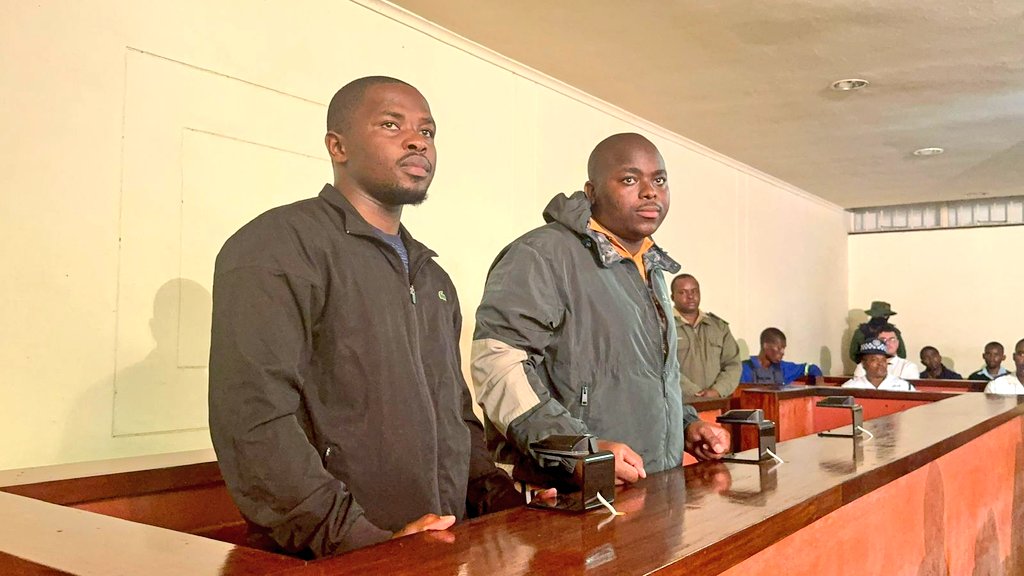
The ongoing murder trial of South African rapper Kiernan “AKA” Forbes has taken a dramatic new turn after investigators revealed that the alleged killers were connected to payments made from a business bank account. The revelations have deepened suspicions that the killing was not a spontaneous act of violence but a coordinated hit, financed and executed with chilling precision.

On the night of February 10, 2023, Forbes and his close friend, celebrity chef Tebello “Tibz” Motsoane, were gunned down outside Wish Restaurant on Durban’s Florida Road. CCTV footage from the scene captured the moments leading to the tragedy footage that would later dominate headlines and ignite national outrage. Both men were struck by multiple bullets, suggesting that the attack was planned and executed by professionals. Police later described it as a “hit,” not a random crime.
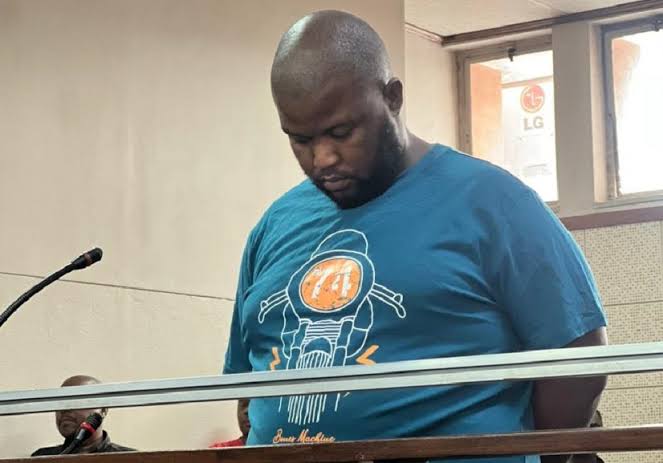
More than two years after that night, the case has evolved into one of the most complex criminal investigations in recent South African history. Several suspects have been arrested, and two key accused brothers Siyabonga and Malusi Ndimande were recently extradited from Eswatini to South Africa. Their appearance in the Durban Magistrate’s Court in November 2025 marked a critical step forward for the prosecution, which continues to piece together a sophisticated web of financial and operational links.

At the heart of the latest revelations is a payment trail uncovered by detectives from the South African Police Service. According to court testimony and statements by KwaZulu-Natal police commissioner Lieutenant-General Nhlanhla Mkhwanazi, investigators discovered that a significant sum of money had been transferred from a company-owned business bank account shortly after the murders. This payment amounting to more than R800,000 was allegedly made to one of the accused, Mziwethemba Harvey Gwabeni.
From there, the money is believed to have been distributed among other suspects who participated in the operation. The use of a business account, rather than a personal one, has raised suspicions that the financial transactions were deliberately structured to disguise their true purpose. The funds reportedly originated from a company called Bright Circle, linked to businessman Mfundo Gcaba. This link has added a new layer of intrigue to the case, suggesting that the killing may have been ordered or financed through corporate or business channels.

Commissioner Mkhwanazi confirmed that the discovery of the payment was a turning point in the investigation. He noted that the money trail not only connected several of the suspects but also pointed to the possible existence of a mastermind someone who may have financed or directed the hit squad from behind the scenes. The police are now focused on identifying the individual or individuals who orchestrated the operation and arranged the payments.
The Gcaba family, however, has firmly denied any involvement in the crime. They insist that Mfundo Gcaba’s business dealings are legitimate and transparent, and that any financial transactions between his company and the accused were part of ongoing business relationships unrelated to the murder. They have also expressed frustration that Gcaba has not been formally questioned by police, arguing that unsubstantiated claims in the media have unfairly damaged his reputation.

As the court proceedings continue, prosecutors are building a case that depicts the murder as a well-planned assassination. Evidence collected so far includes surveillance footage, cellphone records, and financial data tracing the movements and communications of the accused before and after the shooting. The prosecution argues that the suspects coordinated closely to track Forbes’s movements from the airport to the restaurant where he was ultimately killed.
The defence, meanwhile, has raised concerns about due process and access to legal counsel. During recent hearings, lawyers for the accused complained that restrictions at the correctional facility have limited their ability to consult with their clients. Magistrate Irfaan Khalil has instructed authorities to ensure that the constitutional rights of all defendants are respected, emphasizing that even in high-profile cases, procedural fairness must remain intact.

The case has also highlighted the challenges facing South African law enforcement in investigating contract killings. Financially motivated assassinations have become increasingly common, particularly in industries such as entertainment, business, and the taxi sector. By tracing the flow of money through business accounts, investigators hope to expose not just the gunmen who carried out the act, but the individuals who paid for it.
While the exact motive for AKA’s murder remains uncertain, several theories have circulated, including disputes tied to business interests and broader organized-crime networks. Commissioner Mkhwanazi has suggested that the motive likely involved rivalries connected to the entertainment or transport industries. What is clear is that the killing required coordination, funding, and logistical planning characteristics that align more with professional contract hits than with spontaneous acts of violence.

For the families of Forbes and Motsoane, the revelations about money trails and masterminds offer some hope that the full truth may eventually come to light. However, they also underscore the chilling nature of the crime: that one of South Africa’s most beloved artists may have been targeted in a transaction orchestrated through legitimate-looking financial systems.
The case now moves toward a full trial, expected to begin in mid-2026, following a series of pre-trial hearings. The extradited suspects will join others already in custody, as the prosecution prepares to present its evidence linking the alleged killers to the financial transactions that funded the operation.

Beyond the courtroom, the implications of the case extend far into South African society. It raises pressing questions about how organized criminal networks operate, how they infiltrate legitimate businesses, and how law enforcement can follow the money to dismantle those systems. The murder of AKA and Tibz has become more than a tragedy for their families and fans it is now a test case for justice, accountability, and the ability of the South African justice system to expose corruption and crime that hides behind corporate facades.
As the story unfolds, the focus will inevitably shift from the triggermen to the financiers the people who allegedly signed the cheques that funded an assassination. Whether the courts can prove that link beyond reasonable doubt remains to be seen, but one thing is clear: the murder of AKA was not just an attack on an individual artist. It was an attack on the rule of law itself, carried out in the shadows of business and power, and the truth behind it is finally beginning to surface.

About the Author