‘The Fight Must Continue With or Without Me’ – Mkhwanazi’s Call for Collective Action Against Crime
 Viable News Team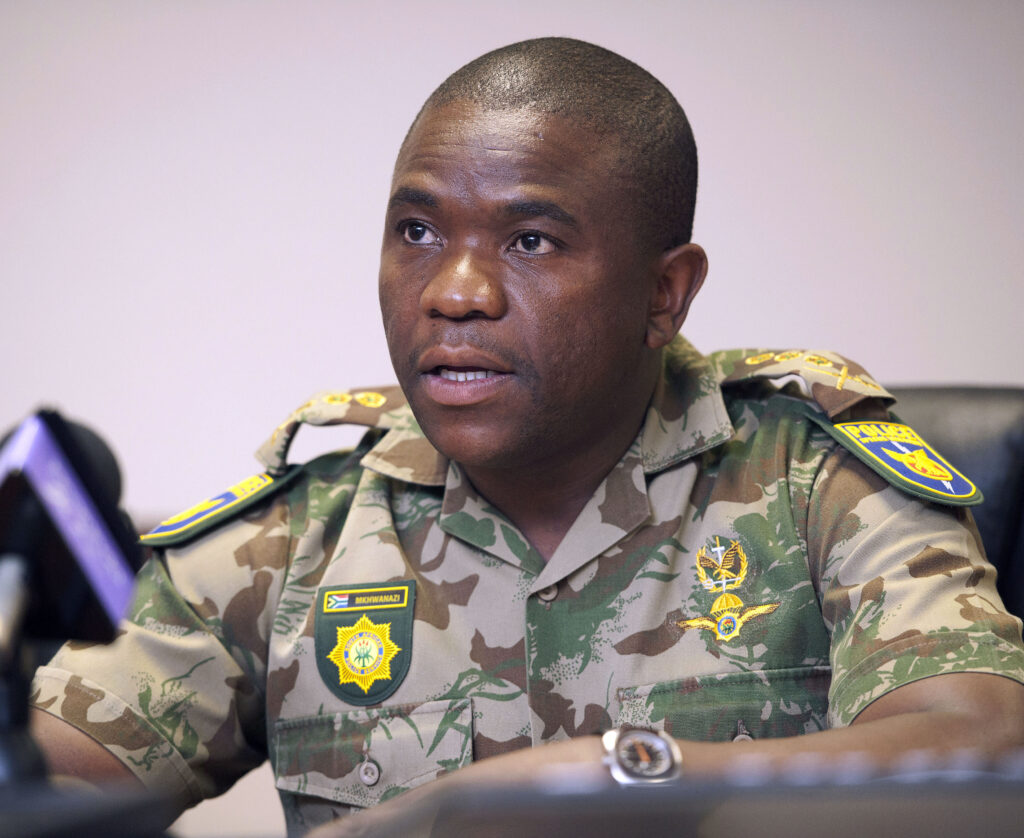
Cape Town – KwaZulu-Natal police commissioner Nhlanhla Mkhwanazi has delivered a powerful message on the state of policing in South Africa, stressing that the fight against crime is far bigger than any individual. Speaking exclusively to eNCA ahead of the 27th Interpol African Regional Conference in Cape Town, Mkhwanazi said crime-fighting is a collective responsibility that cannot rest on the shoulders of a single leader.

“Whether Mkhwanazi is there or not, it will remain a challenge for all of us and the citizens of this country to contribute one way or another to fight crime in the country,” he said.
His comments come at a time when South Africa is grappling with deep-rooted crime, allegations of police corruption, and a judiciary under pressure to restore public confidence.
A Stage for International Cooperation
The Interpol African Regional Conference, which gathers police chiefs from across 193 member states, is aimed at strengthening cooperation on cross-border crime. From drug trafficking and human smuggling to cybercrime and terrorism, the continent’s law enforcement agencies are under increasing strain.
Mkhwanazi, one of the key figures at the event, underscored the importance of South Africa aligning its policing strategies with global counterparts while also addressing its internal challenges.

Whistleblower Under Pressure
Mkhwanazi has found himself in the national spotlight after blowing the whistle on alleged corruption within the South African Police Service (SAPS). In his testimony, he claimed that criminal syndicates had infiltrated not only the police but also the justice system, while politicians interfered in high-profile investigations.
These explosive revelations led President Cyril Ramaphosa to announce a judicial commission of inquiry, chaired by Justice Madlanga. However, the process has already been delayed, with the Justice Department struggling to procure key infrastructure needed to launch the commission.
Despite the setbacks, Mkhwanazi insists he has no regrets about speaking out. “The truth had to be told,” he said. “We cannot expect the public to trust law enforcement if we ourselves are compromised.”

A Changed Life
The fallout from his disclosures has been deeply personal. Once known mostly within policing circles, Mkhwanazi is now a household name. “Wherever I walk now, people recognise me and greet me, which is not something I particularly enjoy,” he admitted.
The commissioner said the attention has eroded his privacy, but he remains steadfast in his commitment to the principles of integrity and accountability in policing.
Work on the Ground Continues
Despite the controversies surrounding him, Mkhwanazi remains focused on the core mission of policing. He highlighted the work of officers in KwaZulu-Natal, noting continued arrests, firearm recoveries, and operations targeting organised crime.
“Whether I am in the service or not, I will still play my part. The work must continue,” he said.
His words echo a broader truth—that crime cannot be defeated by leadership alone. Communities, institutions, and law enforcement must work in tandem to turn the tide.

A Warning Against Political Interference
Mkhwanazi also cautioned against the blurring of roles between policymakers and police operations. “Policing cannot hinge on one individual, and roles must be applied clearly,” he said. “Legislation must be enforced properly, without political meddling, if we are to succeed.”
His remarks come amid growing concern over how political interference undermines investigations, weakens accountability, and emboldens criminal networks.
Looking Ahead
As South Africa hosts police chiefs from across the globe, Mkhwanazi’s message carries significant weight: crime is not only a national concern, but a shared human challenge. The commissioner insists that institutions must outlive personalities, and that the integrity of policing should never depend on a single name or face.

“The fight must continue with or without me,” he said—a reminder that in the battle against crime and corruption, the responsibility belongs to everyone.
About the Author