Tembisa Looting Scandal: South Africans Demand Arrests Not Just Asset Seizures
 Viable News Team
Nearly six months have passed since the Special Investigating Unit (SIU) scored a major breakthrough in the Tembisa Hospital corruption probe, seizing more than R133 million in luxury assets linked to an alleged looting syndicate.
The seizures which included high-end vehicles and multimillion-rand properties in Sandton and Bantry Bay were celebrated as a victory. But today, frustration is mounting: the masterminds behind the R2 billion scandal remain untouched, and public patience has worn thin.
A Scheme Built on Fraud While Patients Suffered
Investigators uncovered at least three tightly coordinated syndicates that manipulated Tembisa Hospital’s procurement system using a “three-code” method designed to bypass procurement rules for contracts under R500,000.
This loophole allowed them to secure a flood of fraudulent tenders, draining vital funds meant for medical supplies, equipment, and basic patient care.
One of the central figures identified is businessman Hangwani Maumela, whom the SIU links to nearly R900 million in questionable contracts. Yet despite the staggering allegations, he has not been arrested.
A Lone Arrest and a Mountain of Unanswered Questions
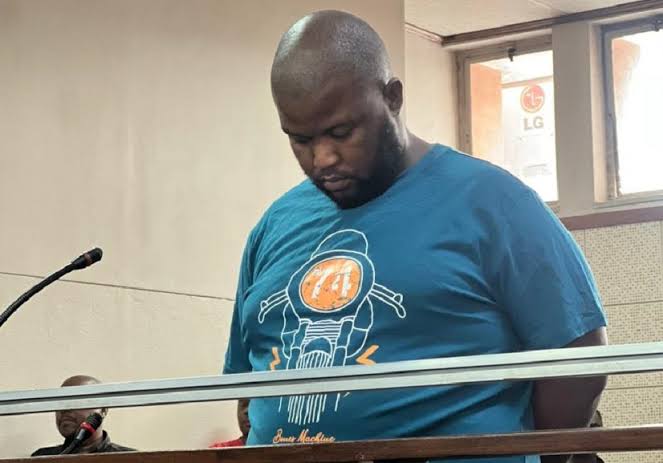
So far, only Tembisa Hospital employee Zacharia Tshisele has been taken into custody. The absence of further arrests especially of high-value targets has left citizens questioning the strength and fairness of South Africa’s justice system.
This scandal gained national prominence following the assassination of whistleblower Babita Deokaran, who courageously flagged irregular payments flowing out of the hospital before she was murdered outside her Johannesburg home. Her death remains a grim reminder of the deadly risks borne by those who speak out.
Why Are Criminal Charges Taking So Long?
Legal experts caution that while the asset seizures were part of a civil recovery process, criminal prosecutions require far stricter evidence. According to the National Prosecuting Authority (NPA), cases of this scale must be “watertight” before charges can be brought a standard that often slows progress to a crawl.
But for many ordinary South Africans, that explanation rings hollow. The perception that certain individuals are “untouchable” continues to grow, especially as months pass without a single high-profile arrest.
Clarifying Rumours and Political Links
Speculation has swirled around Maumela’s alleged ties to powerful figures. But in a rare intervention, the Presidency of South Africa moved quickly to clarify that he is not a close or immediate relative of President Cyril Ramaphosa, urging the public not to conflate the scandal with political lineage.
A Justice System on the Brink of Collapse
Meanwhile, the public’s trust in the criminal justice system has cratered. According to the Action Society Criminal Justice Trust Indicator, the system scored a devastating 4 out of 100 a near-total collapse in confidence.
For many citizens, the message is clear: South Africans are tired of press conferences, legal jargon, and asset-forfeiture parades. They want justice real justice that involves arrests, trials, and convictions.
South Africans Want More Than Cars on Tow Trucks
It is no longer enough for authorities to showcase luxury cars being hauled away on flatbeds. Communities want to see handcuffs. They want to see the architects of corruption standing before judges. And they want the billions stolen from a public health system already on life support returned to the people it was meant to serve.
Until that happens, the Tembisa looting saga will remain a painful symbol of South Africa’s deepening accountability crisis and a reminder that asset seizures, while necessary, are not justice.
About the Author