Viable News Team
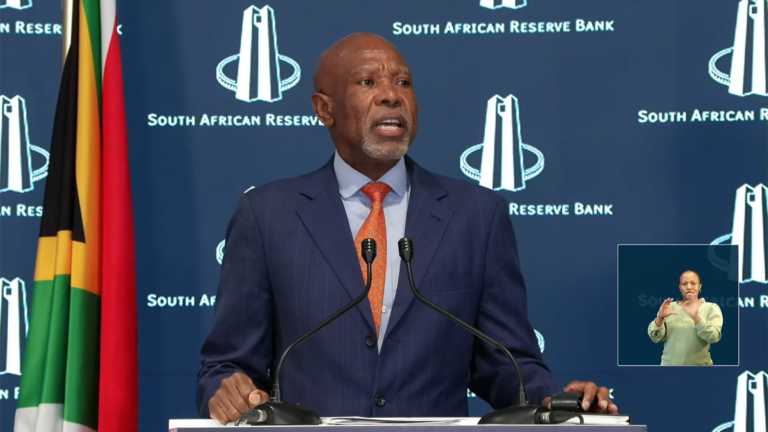
The South African rand came under renewed pressure after the South African Reserve Bank (SARB) opted to leave interest rates unchanged, surprising financial markets that had largely expected another rate hike.
While the decision provides some relief for consumers and businesses with loans, analysts say it has weakened the rand by reducing the appeal of South African assets to foreign investors.
Markets expected a rate increase
Ahead of the Monetary Policy Committee (MPC) meeting on 23 July, many economists and market participants had forecast a 25-basis-point increase in the repo rate.
Expectations of a rate hike were fuelled by South Africa’s latest inflation figures, which showed consumer inflation rising to 5% year-on-year in June, higher than many analysts had anticipated.
Typically, higher interest rates make a country’s currency more attractive because they offer investors stronger returns on rand-denominated assets.
Why the rand reacted
When a central bank raises interest rates, it generally increases the interest rate gap between that country and other major economies, such as the United States. This can encourage foreign investment, boosting demand for the local currency.
By keeping rates unchanged, the SARB disappointed market expectations, leading to selling pressure on the rand.
Currency traders also continue to monitor global risks, including ongoing geopolitical tensions in the Middle East, movements in the U.S. dollar and international commodity prices, all of which influence the rand’s performance.
Relief for borrowers
Although the weaker rand may increase the cost of imported goods and contribute to inflationary pressures, the decision to leave rates unchanged offers short-term relief for homeowners, businesses and consumers with debt.
Holding the repo rate means monthly repayments on loans linked to the prime lending rate are unlikely to increase immediately, easing pressure on household budgets.
Focus turns to inflation outlook
The SARB has repeatedly stressed that future interest rate decisions will depend on incoming economic data, inflation trends and global developments.
Economists say markets will now closely monitor inflation, exchange rate movements and international economic conditions to gauge whether the central bank could still raise rates later this year.
A weaker rand also raises concerns about the cost of imports, particularly fuel, which could place additional upward pressure on inflation in the coming months.
About the Author