Masemola and Sibiya Face Off: A Legal and Leadership Storm Within SAPS
 Viable News Team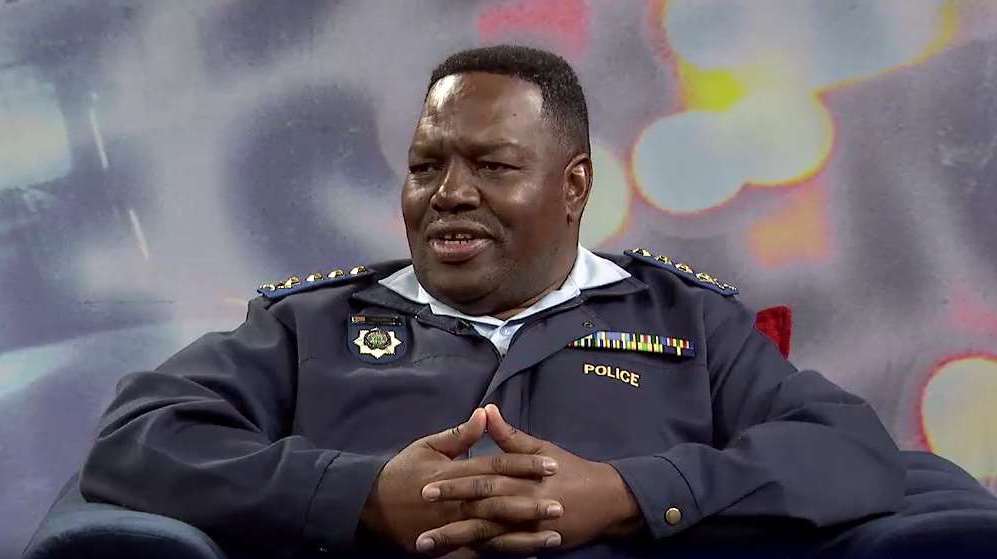
JOHANNESBURG – A leadership clash at the top of South Africa’s police hierarchy is drawing significant national attention, as Deputy National Commissioner for Crime Detection, Lieutenant General Shadrack Sibiya, pushes back hard against what he calls an “unlawful suspension” by National Police Commissioner Fannie Masemola.
The tension between the two top-ranking officials has escalated into a legal showdown, with Sibiya issuing an ultimatum to his superior: reinstate me, or face court action.
While these kinds of internal conflicts within the South African Police Service (SAPS) are not entirely new, the current standoff is particularly explosive given its implications for governance, accountability, and political interference within law enforcement.
Commissioner Masemola made the decision to place Sibiya on a leave of absence following public allegations of corruption and political meddling, primarily stemming from statements made by KwaZulu-Natal Police Commissioner, Lieutenant General Nhlanhla Mkhwanazi. In what has been described as an “explosive” revelation, Mkhwanazi alleged that Sibiya, along with other high-ranking police officials, was involved in political interference and improper conduct within SAPS.
These claims, while serious, remain unproven, and Sibiya has vehemently denied all allegations against him. He has since challenged the suspension as procedurally and legally flawed, demanding immediate reinstatement and threatening legal action should the decision not be reversed.
The legality of Masemola’s decision is now under the spotlight. Legal expert Elton Hart says that Sibiya may have a strong case if he chooses to pursue a review of the suspension in court.
“The letter is clear and concise. And I think looking at the letter and SAPS regulations on discipline, they’ve got a good case and there’s merit,” Hart noted, pointing to procedural requirements that may not have been adequately followed by the National Police Commissioner.
SAPS disciplinary regulations provide detailed frameworks for handling allegations of misconduct, including the processes that must be followed before placing a senior officer on leave or suspension. Any deviation from these procedures opens the door to legal challenges, especially at this senior level.
Commissioner Masemola, however, has shown no intention of backing down. In response to Sibiya’s demands, he has rejected any form of ultimatum, insisting on his authority to make decisions he deems necessary in the interest of public trust and institutional integrity.
His supporters argue that, given the nature of the allegations from Mkhwanazi, it was prudent to remove Sibiya from active duty temporarily while investigations continue. Critics, however, say the move smacks of political maneuvering and lacks transparency, especially if due process was bypassed.
At the heart of the conflict lies a deeper issue: a growing perception of politicisation within SAPS. Over the years, various senior officials have been accused of acting under political instruction, eroding public confidence in the police’s independence.
Lieutenant General Mkhwanazi’s claims have intensified these concerns. By naming Sibiya and others, Mkhwanazi has triggered a wave of speculation about the extent to which political agendas may influence operational decisions within SAPS.
While Mkhwanazi has not yet provided detailed public evidence to support his claims, his stature within the force lends weight to his words. For Sibiya, the fallout has been swift and reputationally damaging hence his aggressive legal response.
Sibiya, known for his role in various high-profile investigations during his tenure at the Hawks and now as Deputy Commissioner, has consistently denied any wrongdoing. He has maintained that his suspension is not only unjustified but is a retaliatory measure meant to sideline him from key investigations.
As the stand-off intensifies, all eyes will be on the legal avenues Sibiya may pursue. If he follows through with his threat, a court battle could reveal more about the internal workings and tensions within SAPS leadership. It could also set an important precedent about how senior police officers are disciplined or removed from their positions.
For Masemola, the challenge will be to show that his decision was both justified and procedurally sound. Failure to do so could not only undermine his credibility but also raise further questions about leadership stability within SAPS.
The Sibiya-Masemola dispute is more than just a personal or professional clash it reflects the broader struggles within South Africa’s law enforcement structures, where political pressures, public scrutiny, and institutional accountability often collide.
Whether through court proceedings or internal reviews, this conflict may ultimately become a litmus test for how seriously SAPS takes both transparency and due process and how well it can weather internal storms without losing the trust of the people it serves.
About the Author