AmaZulu King Denies R10 Donation Claims Amid Reed Dance Funding Row
 Viable News Team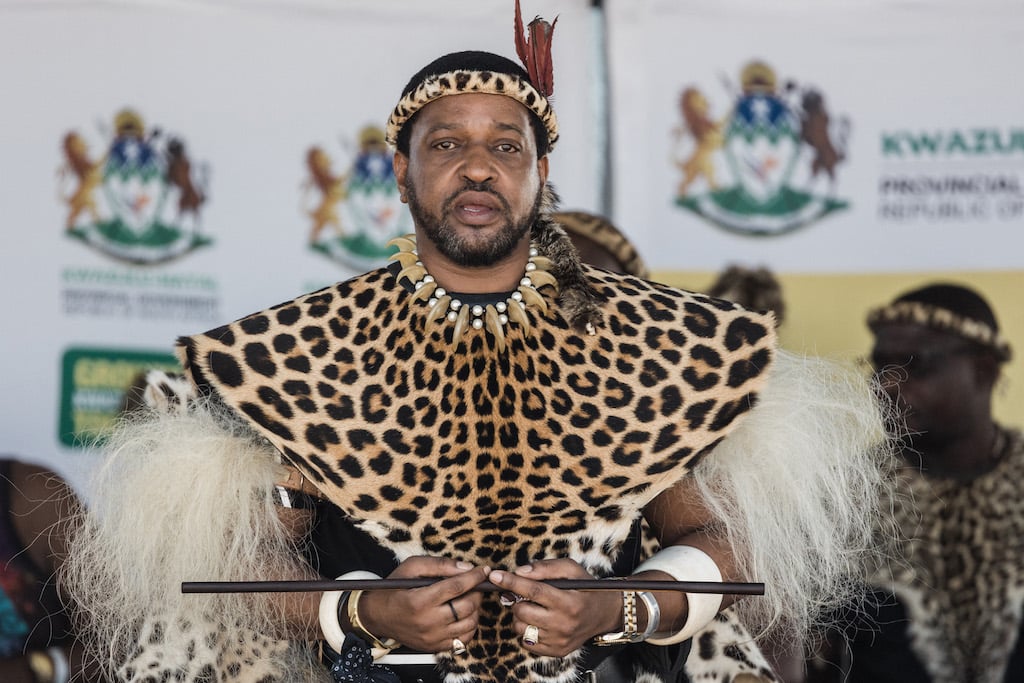
Johannesburg – August 21, 2025
AmaZulu King Misuzulu kaZwelithini has moved swiftly to dismiss growing speculation that he has called on every Zulu person to contribute R10 towards funding the AmaZulu nation, following reports that the KwaZulu-Natal Treasury has declined additional financial support for the upcoming annual Reed Dance ceremony.
In recent days, social media and several media outlets have circulated claims suggesting that the monarch had endorsed a nationwide R10 donation appeal to fill a reported funding gap for one of the kingdom’s most culturally significant events. The reports have ignited a firestorm of public reaction ranging from support for self-funding traditional events to sharp criticism of what some viewed as an unfair burden on ordinary citizens.
However, the Royal House has firmly distanced itself from these reports, labeling them as misleading and unfounded. In an official statement, the King’s representatives clarified that His Majesty King Misuzulu kaZwelithini has no knowledge of such a proposal, nor has he issued any directive calling for public donations.
“The King did not authorize, endorse, or request that Zulu people donate R10 each. Any claims suggesting otherwise are false and should be treated with caution,” said Prince Africa Zulu, a senior member of the Royal Household.
According to earlier reports, the donation appeal allegedly followed after the KZN Treasury turned down a request for additional funding to support the logistical and ceremonial costs of the annual Reed Dance, a sacred cultural celebration where thousands of young Zulu maidens gather to participate in traditional rituals promoting purity, cultural pride, and womanhood.
While it is confirmed that the provincial government has been tightening its belt amid financial pressures, there has been no official confirmation of a formal request being denied only unnamed sources pointing to budgetary constraints and shifting priorities. In the absence of clear details, the rumour mill spun into high gear, linking the financial shortfall to the alleged R10 proposal.
This year’s Reed Dance, expected to be held in early September, holds particular significance as it will be the first full-scale celebration since King Misuzulu’s coronation. Preparations are reportedly underway, with thousands of young women from across the country and neighbouring nations preparing to descend upon the Enyokeni Royal Palace in Nongoma for the occasion.
The AmaZulu monarchy, steeped in history and cultural heritage, has often depended on a mix of state funding and private sponsorship to stage its major traditional events. But the current economic climate both within the government and among ordinary citizens has raised questions about the sustainability of such funding models.
Even so, the King’s camp insists that any suggestion of soliciting mass public donations, particularly through a flat fee from every Zulu person, does not align with His Majesty’s intentions nor with protocol.
“His Majesty is committed to preserving our customs and traditions with dignity. While he welcomes support from stakeholders who value the culture, he would never mandate a monetary contribution from the people,” the statement added.
Public response to the clarification has been mixed, with many expressing relief that the donation appeal was unfounded, while others have suggested that more transparency is needed regarding how royal and cultural events are funded.
Meanwhile, political and civil society groups have weighed in on the broader issue of state support for traditional institutions. Some argue that while cultural preservation is important, taxpayer money should not be used to fund ceremonial events when the province faces critical issues such as poverty, unemployment, and failing infrastructure.
Others defend the state’s role in supporting traditional heritage, noting that events like the Reed Dance not only celebrate Zulu identity but also attract tourism, strengthen community values, and foster national pride.
As the AmaZulu nation prepares for the upcoming Reed Dance, the Royal House’s swift response to dispel the donation rumours is a clear attempt to protect the King’s image and prevent misinformation from undermining both his authority and the cultural event’s sanctity.
For now, the Reed Dance is still on track, though the question of how it will be funded in the absence of additional treasury support remains unanswered.
About the Author