B R Hlambela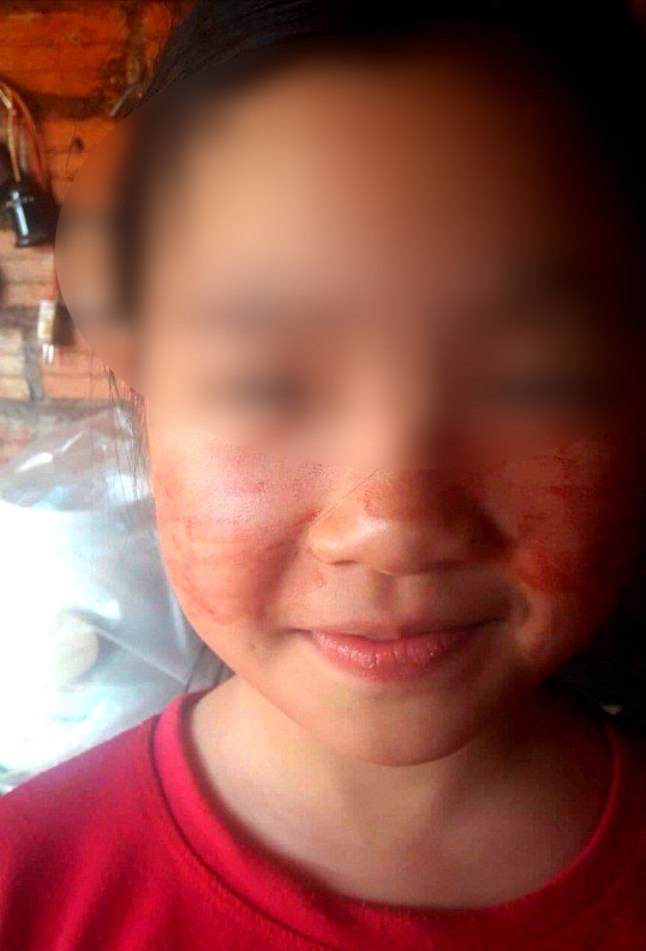
IMAGE CREDIT TO METRO
Hematidrosis a rare and mysterious medical condition the Mysterious Condition of Sweating Blood Hematidrosis, sometimes spelled Hematidrasis, is one of the rarest and most dramatic medical phenomena ever recorded.
Thiss trange and often frightening condition causes people to sweat blood — yes, actual blood oozes through the pores of the skin, often appearing on the face, eyes, and other parts of the body.
Though it sounds like something out of a horror story or ancient legend, hematidrosis is real and has baffled doctors for centuries.
Here are some fascinating facts about this mysterious condition:
1. Hematidrosis is a condition where capillary blood vessels that feed the sweat glands rupture, causing them to exude blood.
The blood can appear on the skin’s surface alone or mixed with sweat, giving it a pink or red appearance.
2. Extreme Stress Can trigger it most reported cases of hematidrosis are linked to intense emotional or physical stress.
People experiencing unbearable fear, anxiety, or trauma—such as soldiers facing imminent death or individuals in extreme distress—have been known to exhibit symptoms.
Some scientists believe that under extreme stress, the body activates the fight-or-flight response, causing tiny blood vessels to constrict and then rupture.
3. It’s Been Known Since Ancient Times Hematidrosis isn’t new.
Historical records and religious texts describe it.
One of the most famous references appears in the Bible, where Jesus Christ is said to have “sweat blood” while praying in the Garden of Gethsemane before his crucifixion (Luke 22:44).
Some scholars believe this description may have been a reference to hematidrosis.
4. It’s extremely rare only a few dozen confirmed cases of hematidrosis have been documented in modern medical literature.
Because it’s so rare—and sometimes mistaken for self-inflicted injury, bleeding disorders, or even malingering—it’s often misunderstood or misdiagnosed.
5. It can mimic other conditions people with Hematidrosis may be initially diagnosed with other disorders such as:Bleeding disorders (e.g. Hemophilia)Skin infectionsAutoimmune conditions this makes diagnosis tricky, and many cases require extensive testing to rule out other causes.
6. It’s usually not life-threatening despite its dramatic appearance, Hematidrosis is typically not fatal.
The bleeding is usually self-limiting and may stop after a few minutes to hours.
However, because it’s often associated with stress or trauma, treating the underlying cause is crucial.
7. Treatment often involves stress management there’s no single cure for Hematidrosis.
Treatment is symptomatic, and managing stress or anxiety is key.
Some doctors have prescribed medications such as:Beta-blockers (to reduce blood pressure and stress)Anxiolytics (to calm severe anxiety)Antidepressants
8. Cases Have Been Reported worldwide Hematidrosis knows no geographic or cultural boundaries. It has been documented in India, Italy, the Philippines, the United States, and many other countries, often in adolescents or young adults under severe emotional strain.
9. Science still doesn’t fully understand It despite being known for centuries, hematidrosis remains a medical mystery.
It challenges our understanding of the body’s reaction to stress and continues to be a topic of interest in both medical and psychological research.
10. It Captures the public imagination due to its rarity and eerie presentation, hematidrosis has made its way into films, literature, and pop culture.
It is often used to symbolize intense psychological suffering, spiritual agony, or supernatural events.
In Conclusion:Hematidrosis is a rare, perplexing, and fascinating condition that blurs the lines between physical and psychological health. Whether seen as a symbol of extreme emotional pain or a rare physiological response, it reminds us how deeply the mind and body are connected.
About the Author


 Viable News Team