B R Hlambela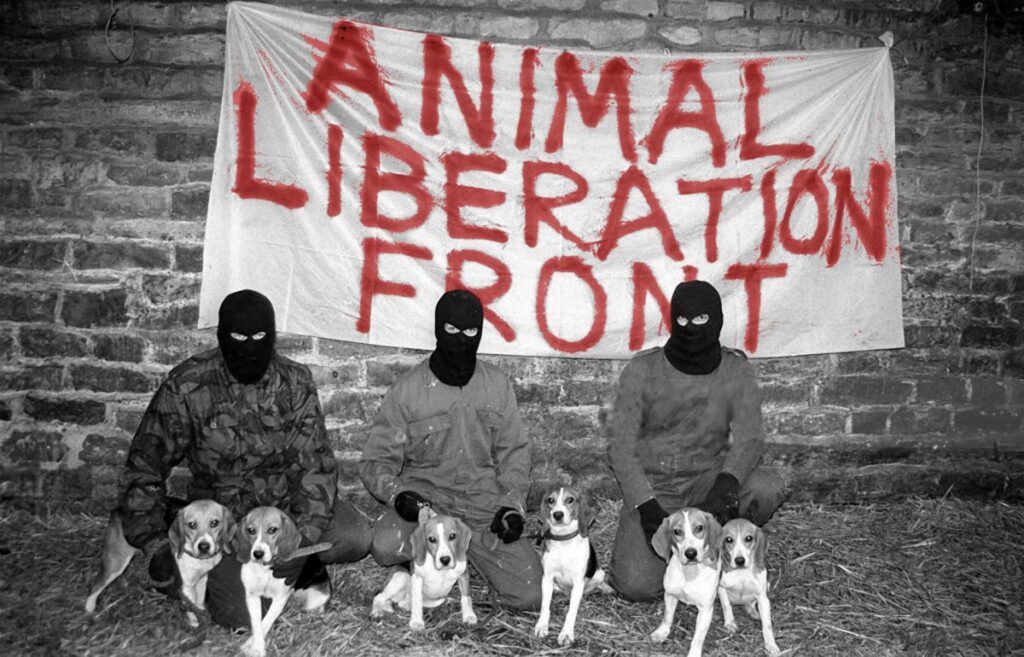
IMAGE CREDIT TO ROADRUNNER
The Animal Liberation Front (ALF) is an international, decentralized, and controversial animal rights movement known for its direct action campaigns against industries and institutions that exploit animals.
Since its emergence in the 1970s, the ALF has been both praised for raising awareness about animal suffering and condemned for engaging in illegal activities, including property destruction and theft.
The ALF originated in the United Kingdom in the mid-1970s, evolving from a group called the Band of Mercy, which had already been involved in sabotage actions against hunters and animal research facilities.
In 1976, the ALF name was adopted by activists who sought to intensify efforts through direct action—meaning illegal and often covert activities taken to rescue animals and damage property involved in animal exploitation.
The ALF operates under a simple, guiding philosophy:To inflict economic damage on those who profit from the exploitation and abuse of animals.
To rescue animals from places of abuse (e.g., laboratories, factory farms, fur farms), and place them in good homes.
To reveal the horror and atrocities committed against animals behind closed doors.
To take non-violent action toward all living beings—ALF activists are required to avoid harming any human or animal in their operations.
The group is leaderless and decentralized, with no official membership list.
Anyone who follows its guidelines can claim actions under the ALF banner.
Tactics and actions the ALF is best known for covert operations, including:Breaking into laboratories and rescuing animals used in medical or cosmetic testing.
Releasing minks and foxes from fur farms.
Sabotaging equipment used in animal agriculture, hunting, or research.
Arson and vandalism, targeting facilities involved in animal exploitation (e.g., meat processing plants, pet stores, or fast-food restaurants).
Exposing abuse by recording footage of animal cruelty, often leading to public outcry.
While many of these activities involve civil disobedience or property destruction, ALF insists on a strict non-violence ethic toward humans and animals.
Legal and ethical controversy due to its methods, the ALF has been labeled a domestic terrorist organization by the FBI and other law enforcement agencies, particularly in the United States.
Critics argue that its illegal tactics undermine the broader animal rights movement and risk alienating potential allies.
On the other hand, supporters argue that ALF activists are modern-day abolitionists, engaging in civil disobedience akin to historic movements against slavery, apartheid, or racial segregation.
They contend that laws protecting property over sentient beings are unjust, and that ALF exposes cruel practices otherwise hidden from public view.
Many individuals associated with ALF actions have faced arrest, trial, and imprisonment, sometimes for years.
Government agencies have conducted counterterrorism operations to monitor and disrupt ALF cells.
Impact on the animal rights movement despite the controversy, the ALF has had a significant impact on the broader animal rights and welfare debate:Many undercover ALF raids have exposed shocking conditions, leading to public outrage, investigations, and sometimes reforms.
Their actions have drawn media attention to issues like animal testing, factory farming, and the fur industry.
The radical nature of ALF has helped define the spectrum of activism, ranging from moderate lobbying groups like the Humane Society to more radical groups like PETA (which has at times expressed sympathy for ALF) and the Earth Liberation Front (ELF).
Criticisms from within the movement not all animal rights advocates support the ALF.
Critics within the movement argue that violence against property and the secrecy of ALF actions make it difficult to achieve sustainable, large-scale change.
Others worry that public sympathy is lost when activists are portrayed as extremists or criminals.
The Animal Liberation Front remains one of the most controversial and uncompromising groups in the global animal rights movement.
Whether viewed as heroes, criminals, or something in between, ALF activists have undeniably shaped the conversation around animal rights, forcing society to confront uncomfortable truths about how animals are treated in science, fashion, food, and entertainment.
While their tactics divide opinion, the moral questions they raise about animal suffering, justice, and the limits of lawful protest continue to provoke debate in ethics, law, and activism.
About the Author


 Viable News Team