B R Hlambela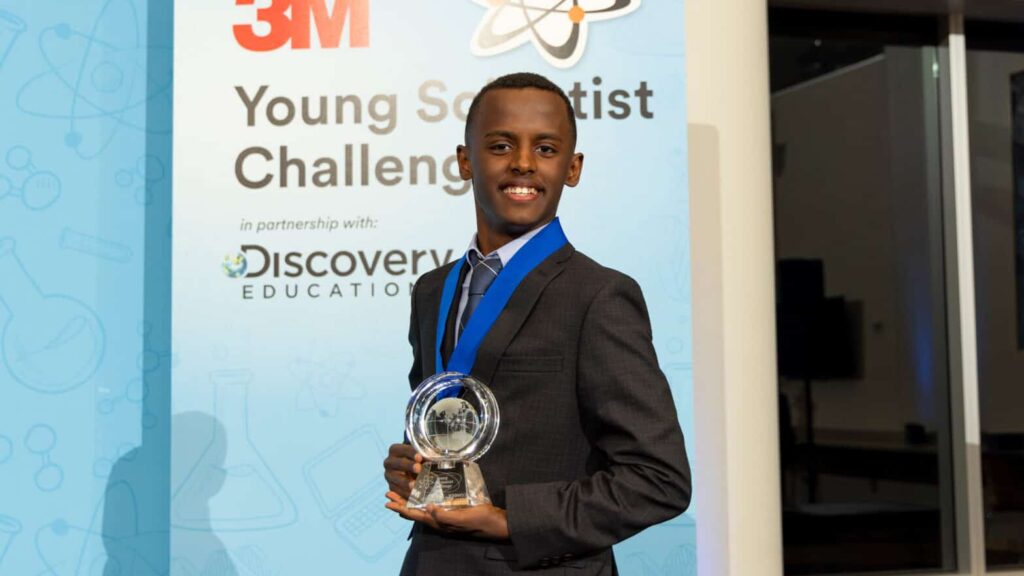
IMAGE CREDIT TO ZMC SCIENCE
Heman Bekele is a teenager, born in Addis Ababa, Ethiopia, who emigrated to the United States at age four.
He saw many people in Ethiopia working long hours under the sun without adequate protection.
These early impressions stayed with him, planting a concern about sun damage and the risk of skin cancer.
Skin Cancer Treating Soap (SCTS) a bar of soap designed to deliver a known anti‑cancer drug called imiquimod via lipid nanoparticles, so the drug stays on the skin even after rinsing.
The idea is that these lipid nanoparticles act as carriers for the drug, ensuring that some active compound remains on the skin surface (or penetrates the upper skin layers), which could stimulate immune cells (specifically dendritic cells) to recognize and fight early skin cancer lesions.
The Washington accessibility: Bekele’s goal is to make something affordable. The soap is estimated to cost less than US$10 per bar for production.
At age 14, he won the 3M Young Scientist Challenge for this invention, receiving a $25,000 prize.
In 2024, he was named TIME’s Kid of the Year It still has to go through clinical trials, regulatory approval (e.g. by the U.S. Food & Drug Administration), and other safety and efficacy test
Bekele has expressed a plan over the next few years to set up a nonprofit to manufacture and distribute the soap, especially to underserved communities.
Experts have noted that while the idea is promising, a lot remains to be shown in terms of how effective it is in real human skin cancer cases (as opposed to lab models), what side effects may occur, and whether this drug delivery method will work safely for preventive use or early‑stage treatment.
Current skin cancer treatments, especially for advanced cases, can be very expensive. A low‑cost soap could help reach people in resource‑limited settings.
Prevention & early treatment: If the soap works, it could be used not only to treat early skin cancers, but possibly as a preventive aid in settings where sun exposure is high and protection (like sunscreen, protective clothing) is not always available.
Irritation, or other skin side effects. Delivering prevention (on skin without cancer) is very different than using it to treat diagnosed cancer.
There could be risks if overused or misused; also, regulatory bodies may have different standards for such uses.
Heman Bekele’s work is an inspiring example of youthful innovation in biomedical science.
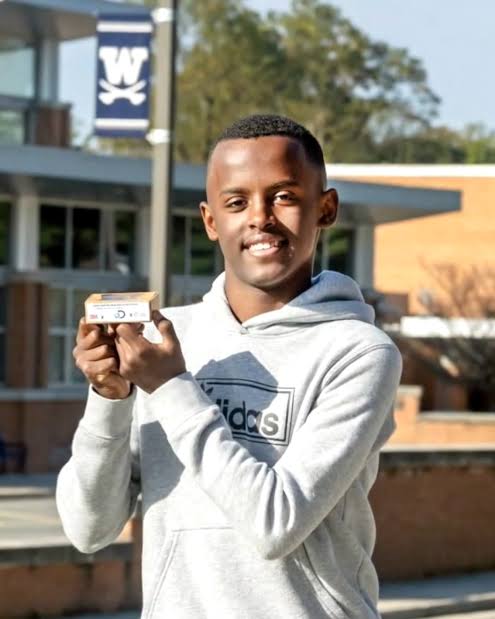
IMAGE CREDIT TO ABCNEWS
His soap prototype holds promise for making skin cancer treatment more accessible and affordable, especially where resources are limited. But it is early: much more work remains before the soap can be used widely and safely in humans.
About the Author


 Viable News Team