Viable News Team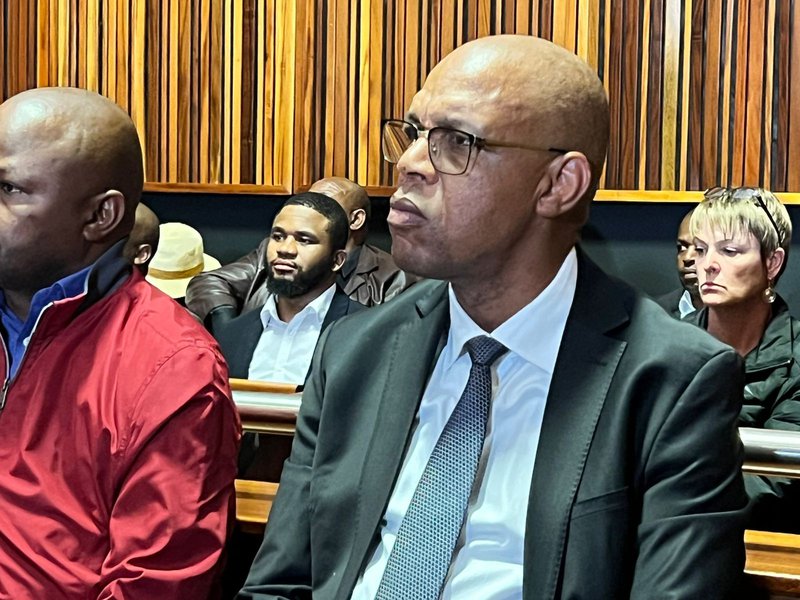
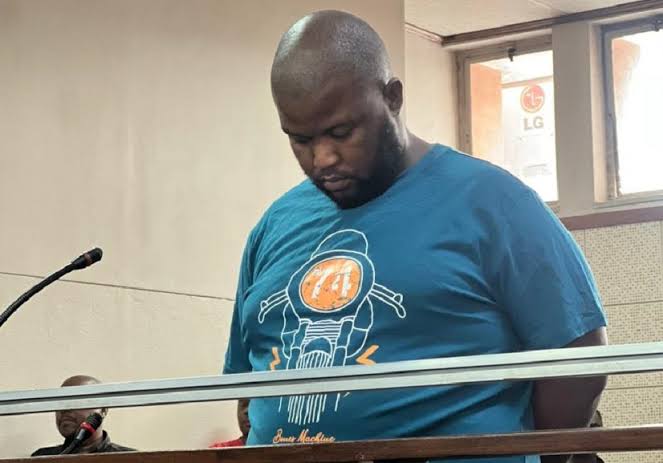
Former African National Congress (ANC) national spokesperson, Pule Mabe, returned to court this week alongside six co-accused to face a series of serious charges including fraud, money laundering, and contravening the Public Finance Management Act (PFMA). The case, rooted in a controversial multimillion-rand contract awarded nearly a decade ago, continues to cast a long shadow over both local governance and political accountability.

The R27-Million Tender That Sparked the Case
At the heart of the trial lies a R27-million tender awarded in 2017 to Mabe’s company, Enviro Mobi, for the supply of 200 three-wheeler motorbikes to the City of Ekurhuleni. The contract was ostensibly intended to boost service delivery, particularly in waste collection and related municipal functions.
However, prosecutors allege that the tender was anything but clean. According to the state, Mabe and his associates manipulated the process to secure the lucrative deal under fraudulent circumstances. At the time, Mabe was still a sitting Member of Parliament, raising questions about conflicts of interest and the abuse of public office.

A Tangle of Charges
The charges against Mabe and his co-accused paint a picture of deliberate wrongdoing. Fraud and money laundering are central to the state’s case, but the inclusion of PFMA contraventions underscores the broader implications. The PFMA was designed to enforce accountability and transparency in how public funds are managed. Breaching it not only amounts to financial misconduct but also undermines the very systems meant to safeguard taxpayer money.
Legal experts note that convictions under such legislation can carry severe penalties, ranging from heavy fines to lengthy prison terms. The case is therefore not just about the alleged theft of funds it is about reinforcing the integrity of South Africa’s public financial management framework.
Mabe’s Political Shadow
Pule Mabe is no ordinary accused. Once a prominent figure within the ANC, he served as the party’s national spokesperson, a role that positioned him at the heart of South Africa’s political communication machinery. Known for his sharp rhetoric and visibility in the media, Mabe was often a key defender of ANC policies during a period of intense scrutiny and internal division.

That such a senior figure now stands accused of corruption sends ripples through the political landscape. For critics, it underscores a broader culture of impunity within sections of the ruling party, where allegations of corruption have become all too frequent. For Mabe’s supporters, however, the trial is seen as yet another politically motivated effort to tarnish the reputation of a once-rising star in the ANC.
The Co-Accused and the Wider Net
Mabe is not alone in the dock. His six co-accused, whose identities and roles have been scrutinized in earlier court appearances, are alleged to have played key roles in orchestrating or enabling the irregularities tied to the Enviro Mobi contract. Their collective presence highlights how state capture and corruption often involve networks of complicity rather than isolated individuals.
The prosecution will seek to demonstrate how this group allegedly benefited from or facilitated the R27-million deal, while the defence is expected to challenge the state’s version of events, raising questions about evidence and procedural fairness.
A Case Postponed, A Nation Waiting
As proceedings resumed on Wednesday, 27 August 2025, the matter was once again postponed, prolonging a case that has already dragged on for years. For many South Africans, such delays are frustratingly familiar. High-profile corruption trials often become marathons rather than sprints, with endless postponements that fuel public cynicism about whether the powerful are ever truly held to account.

The postponement means that both the accused and the public will have to wait longer for resolution. Yet, the significance of this case is undeniable: it touches not only on the integrity of procurement processes in local government but also on the broader trust in political leaders and institutions.
Beyond the Courtroom: The Stakes
The outcome of the Mabe trial could have far-reaching consequences. Should the state succeed, it would signal a rare victory in South Africa’s ongoing struggle against corruption a demonstration that even politically connected figures are not above the law.
Conversely, should the case collapse or result in acquittals, it risks reinforcing a sense of impunity at a time when South Africans are increasingly frustrated with slow progress in tackling graft.
For Mabe himself, the stakes are deeply personal. Once tipped for higher office within the ANC, his political career now hangs in the balance. The courtroom, rather than the campaign trail, has become the stage where his future will be decided.
Conclusion
As Pule Mabe and his co-accused shuffle in and out of courtrooms, the case serves as yet another test of South Africa’s resolve to confront corruption in high places. At stake is not just R27 million of taxpayers’ money but the credibility of democratic institutions meant to safeguard the public purse.
For now, the nation watches and waits. The trial may be slow, but the questions it raises about power, accountability, and justice remain urgent.
About the Author