Oil Prices Soar to Multi-Year Highs, Governments Rush to Contain Fallout
 Viable News Team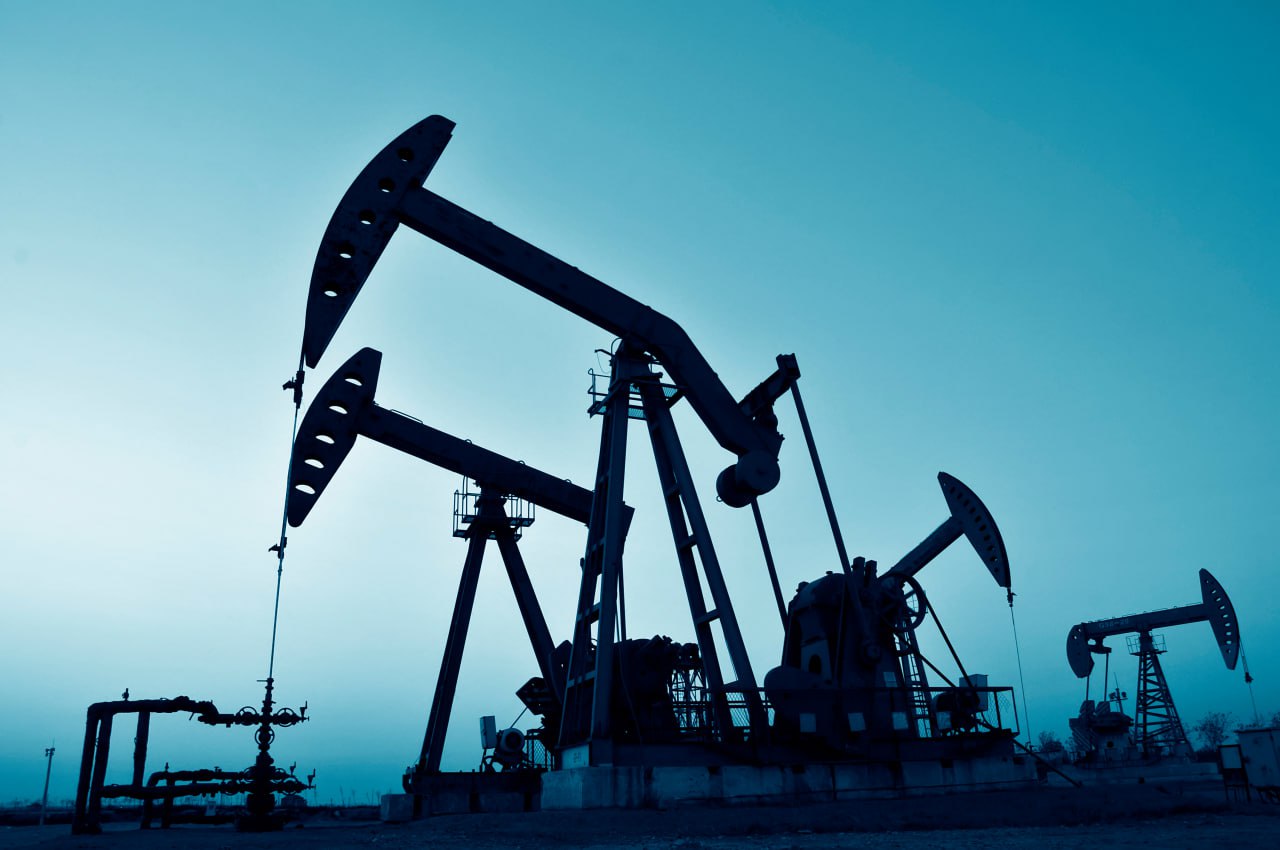
A sharp surge in global oil prices has triggered emergency responses from governments worldwide, with some countries closing universities and introducing fuel measures to manage the growing energy crisis.
The price spike comes amid escalating tensions in the Middle East, particularly involving Iran, which has disrupted global energy supplies and rattled international markets.
Oil Prices Jump to Highest Levels in Years
Global crude oil prices surged dramatically at the start of the week, with Brent crude rising above $100 per barrel for the first time since 2022, briefly reaching around $119 per barrel during trading.
The surge has been driven by fears of supply disruptions following attacks and escalating military tensions in the region. Analysts say the crisis has affected key shipping routes, including the Strait of Hormuz, a critical passage that normally carries roughly 20% of the world’s seaborne oil supply.

The conflict has also forced some producers to cut output, with Iraq and Kuwait reportedly reducing production while shipping traffic through the Gulf slowed significantly.
Governments Race to Protect Economies
The sudden spike in energy costs has prompted governments across the world to scramble for solutions aimed at limiting the economic fallout.
Finance ministers from the Group of Seven (G7) have reportedly discussed the possibility of releasing emergency strategic oil reserves to stabilise markets and contain rising fuel costs.
Other countries have taken immediate domestic measures. For example:
- Vietnam removed import tariffs on fuel to reduce local prices.
- China asked refiners to halt fuel exports in order to prioritise domestic supply.
- South Korea introduced fuel price caps for the first time in decades.
These actions highlight the growing concern that prolonged supply disruptions could drive global inflation and slow economic growth.
Universities Closed to Save Energy
In one of the more dramatic responses to the crisis, Bangladesh ordered the closure of universities, bringing forward academic holidays as part of efforts to conserve electricity and fuel.

Authorities said the measure is designed to reduce power consumption as the country faces rising energy costs linked to the global oil price surge.
Markets and Global Economy Under Pressure
The spike in oil prices has sent shockwaves through financial markets and raised fears of a broader economic slowdown.
Stock markets in Asia and Europe recorded declines as investors reacted to the possibility of sustained high energy prices. Analysts warn that if oil remains above $100 per barrel, it could fuel inflation, raise transportation costs and potentially trigger a global economic slowdown.
Commodity markets have also been affected, with price increases spilling over into agricultural goods and metals as higher fuel costs push up production and transport expenses.
Uncertainty Over How Long the Crisis Will Last
Energy experts say the trajectory of oil prices will largely depend on how long tensions in the Middle East continue to disrupt supply routes and production.
The situation has raised concerns reminiscent of past energy shocks, where geopolitical conflicts triggered global price spikes and economic instability.
For now, governments and markets are watching closely as diplomatic efforts and security developments unfold in the region.
About the Author