CATA and CODETA Agree to Ceasefire After Deadly Cape Town Taxi Violence
 Viable News Team
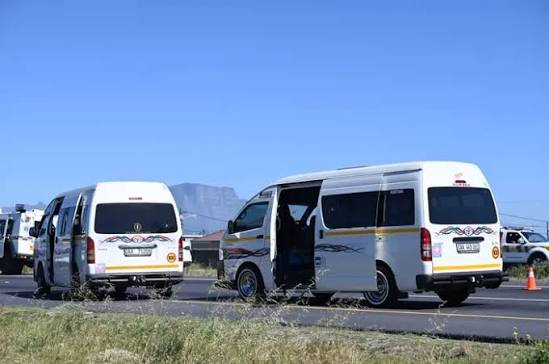
Cape Town’s taxi industry has taken a step towards restoring calm after rival taxi associations, the Cape Amalgamated Taxi Association (CATA) and the Congress of Democratic Taxi Associations (CODETA), agreed to stop the violence and participate in mediation talks.
The commitment followed a meeting on Monday, 2 November 2026, involving the two associations, the Western Cape Government, the City of Cape Town and the South African National Taxi Council (SANTACO).
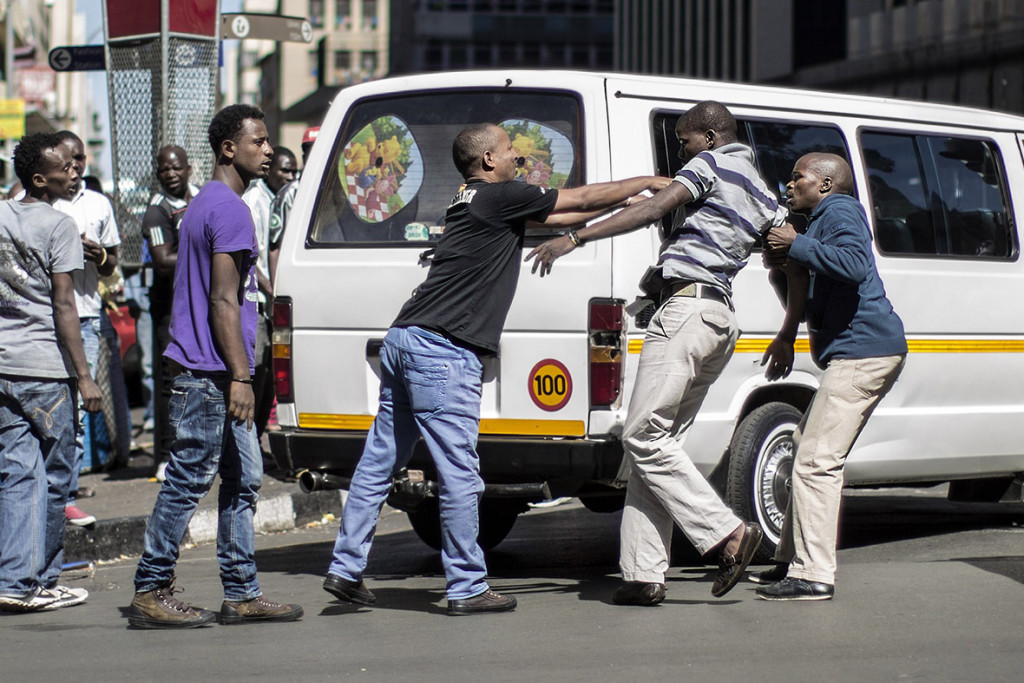
The agreement comes after weeks of deadly clashes linked to disputes over operating routes in areas including Delft, Langa and Epping. Public transport services have also been disrupted, leaving commuters struggling to get to work and other destinations.
Rival Associations Commit to a Week of Calm
Following Monday’s meeting, CATA and CODETA committed to maintaining calm while a mediation process gets underway.
The City of Cape Town said the associations would first meet separately with city and provincial officials, with SANTACO and an independent facilitator involved. The aim is to identify the main issues behind the conflict before bringing all parties together to discuss possible solutions.
Authorities also confirmed that taxi ranks and public transport stations across the metro were operating normally on Monday, although security monitoring would continue along affected routes.
Taxi Violence Claims at Least 12 Lives
The latest violence has been linked to disagreements over taxi operating routes between the rival associations.
According to reports, at least 12 people have been killed during the recent escalation. However, SANTACO Western Cape spokesperson Makhosandile Tumana suggested that the death toll could be closer to 18.
The violence has affected communities across Cape Town, particularly in areas where taxi services are essential for daily transport.
The disruption also reached Cape Town International Airport on Friday, when staffing shortages affected operations. Airport management reported that around half of its employees could not get to work, resulting in long queues at security screening points.
High Court Interdict Targets Violence and Unlawful Route Takeovers
The Western Cape High Court has also issued an interim interdict against CATA, CODETA and their cited office bearers, affiliated associations and members.
The order prohibits conduct including violence, intimidation, road blockades, unlawful route takeovers and interference with public or private transport services.
It also places restrictions on firearms and dangerous weapons at or near transport facilities and on the affected taxi routes.
The order is provisional, with the respondents expected to return to court on 20 November 2026 to show why it should not be made final.
MEC Warns That Ranks Could Be Shut Down
Western Cape Mobility MEC Isaac Sileku visited taxi ranks to engage with operators and commuters as authorities worked to restore normal services.
He made it clear that the violence, intimidation and road blockages must stop, warning that firearms should not be allowed near taxi ranks.
Sileku has also warned that authorities could shut down affected taxi ranks if violence continues.
The government says the priority is to protect commuters, taxi operators and other road users while ensuring that public transport services remain available.
Commuters Hope for Lasting Peace
The latest commitment has brought some relief to commuters, workers and learners who were affected by the disruption.
However, authorities and SANTACO have stressed that promises alone will not resolve the dispute. Both associations will need to honour their commitment and participate in the mediation process if a lasting solution is to be reached.
For thousands of people who depend on minibus taxis every day, the hope is that the latest agreement will prevent further bloodshed and allow transport services to operate without fear.
About the Author