After Violent Protests and Evictions, Ekurhuleni Housing Company Promises Shelter by October
 Viable News Team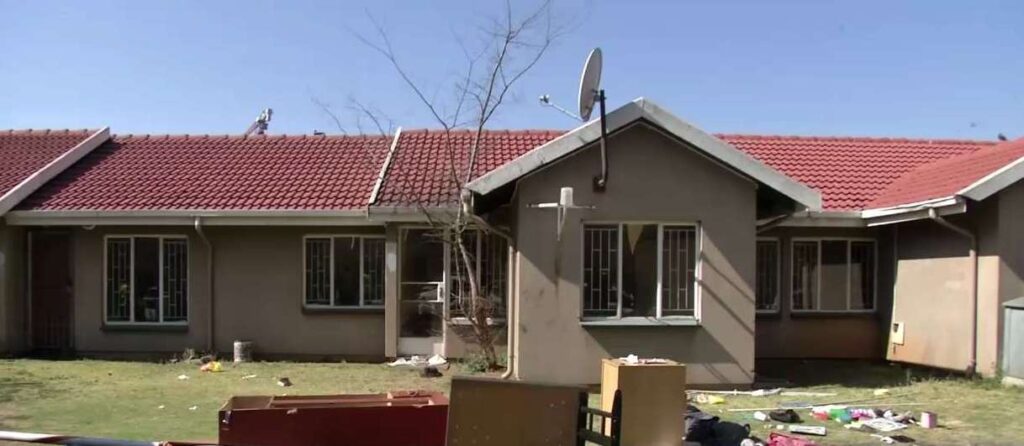
Ekurhuleni, South Africa — One week after violent protests erupted in Germiston, culminating in the torching of the local Home Affairs office, residents who were forcibly evicted from the Pharoe Park housing complex remain homeless and in limbo. With nowhere to go and little clarity about what lies ahead, tensions in the community remain high and pressure is mounting on the Ekurhuleni metro and its housing authorities to provide both answers and urgent relief.
The evictions, which sparked outrage and scenes of unrest, have left dozens of families without shelter. Many have been sleeping on pavements, in makeshift tents, or seeking refuge with relatives and friends. The displaced residents claim they were given little warning before being removed from their homes, with some accusing the authorities of using force and intimidation during the process.
Now, the Ekurhuleni Housing Company which oversees the Pharoe Park complex has pledged that renovation work is already underway, and that housing units will be ready for occupation by October. However, many of those affected are skeptical, unsure if the promise will materialize or if they’ll be left to fend for themselves for months to come.
The situation has drawn national attention, with questions being raised about the legality and humanity of the evictions, particularly amid reports that some of the evicted residents were, in fact, paying rent. These allegations have triggered widespread criticism and placed further strain on the metro, which is now under pressure to investigate whether lawful tenants were wrongfully removed.
Speaking to the media, Ekurhuleni Mayor Sivuyile Ngodwana commented on the issue, acknowledging the frustration of the affected residents and emphasising the municipality’s intention to address the crisis. However, his remarks offered little consolation to those still sleeping outdoors, watching renovation crews from the sidelines of the homes they once occupied.
According to eNCA’s Theodor Mashele, the metro has yet to offer a concrete interim plan for housing the evicted residents while renovations continue. Community leaders and civil society organisations have called on local government to provide temporary shelter, sanitation, and food aid for those caught in the aftermath of the evictions. “It is unacceptable for people to be left out in the cold without support,” said one activist. “Especially if it turns out they were paying rent in good faith.”
The violent protests that followed the evictions reflected the deep anger and desperation felt by many in the community. Onlookers say the situation escalated quickly, with some protestors targeting government buildings — including the Germiston Home Affairs office, which was set alight in an act of defiance. While authorities condemned the violence, many acknowledged that the frustrations fuelling the unrest were not without cause.
The Ekurhuleni Housing Company has defended its actions, arguing that the evictions were part of a broader renovation plan aimed at improving living conditions and ensuring compliance with lease agreements. Spokespersons insist that once upgrades are complete, a fair and transparent reallocation process will take place. But critics argue that such improvements cannot come at the cost of displacing vulnerable families with little warning or support.
Legal experts have weighed in, noting that if paying tenants were among those evicted without due process, it could open the door to legal challenges and potential liability for the municipality. In South Africa, housing rights are constitutionally protected, and eviction processes must adhere to strict legal guidelines, including proper notice, court orders, and provision of alternative accommodation in cases of vulnerability.
Meanwhile, the residents of Pharoe Park continue to wait some with hope, others with anger and exhaustion. The promise of completed units by October is a glimmer of light for some, but for many, survival from day to day remains the only immediate priority.
Unless swift and humane intervention is undertaken, this housing crisis threatens to deepen social tensions in Germiston and beyond. It is a stark reminder of the fragile state of public housing in South Africa, where a single eviction can ignite widespread unrest and where every promise made must now be measured against the lived reality of those most affected.
About the Author