Justice for Meyiwa | State Insists Maphisa Has a Case to Answer as Trial Resumes
 Viable News Team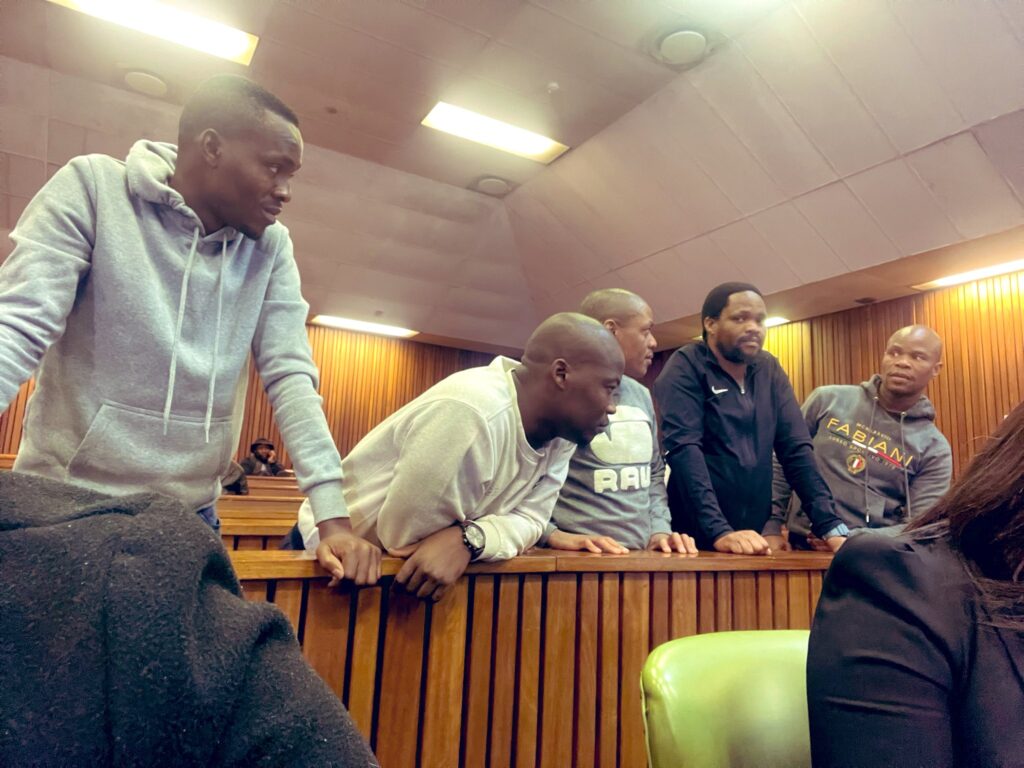
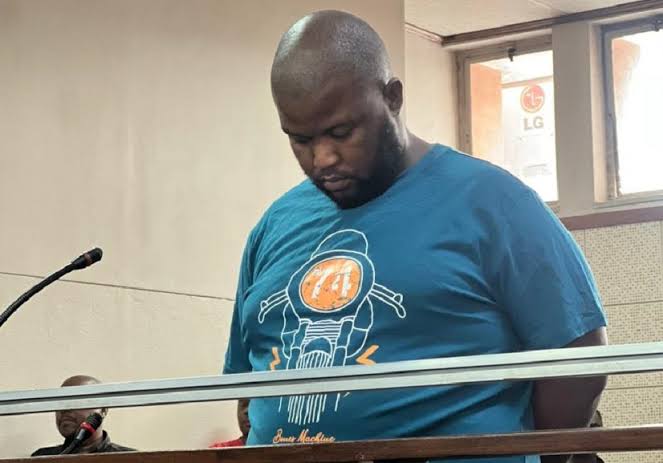
Johannesburg – More than a decade after the shocking murder of soccer star Senzo Meyiwa, the wheels of justice continue to turn slowly but with intensity. On Wednesday, the high-profile trial resumed with focus squarely on accused number 2, Mthokoziseni Maphisa, who is seeking a discharge under Section 174 of the Criminal Procedure Act.

The State has strongly opposed Maphisa’s application, insisting that there is sufficient evidence to warrant that he continue standing trial.
Section 174 Explained
Section 174 is a legal mechanism allowing an accused person to apply for charges to be dismissed if, at the end of the State’s case, there is no evidence on which a reasonable court could convict.
For Maphisa, this application is a lifeline: if successful, he would walk free without being required to present his own defence. But if denied, he will have to face the next phase of the trial, where cross-examination and further testimony could either tighten or weaken the case against him.
The State’s Argument
According to the prosecution, there is more than enough material to keep Maphisa in the dock. Central to the State’s case is the testimony of Constable Skhumbuzo Zungu, who claimed that Maphisa was among those involved in the conspiracy that led to the 2014 killing of Bafana Bafana captain Senzo Meyiwa.
The State argues that Zungu’s account is not merely circumstantial but can be backed by “objective proof.” While the precise nature of this supporting evidence remains tightly controlled in court proceedings, prosecutors insist that it links Maphisa to the scene and to the alleged plot.

Maphisa’s Defence
For his part, Maphisa has maintained throughout the trial that the State has failed to implicate him directly in the events that unfolded on the night of 26 October 2014, when Meyiwa was shot dead at the Vosloorus home of his girlfriend, singer Kelly Khumalo.
His legal team has argued that Zungu’s testimony is unreliable, contradictory, and insufficient to prove guilt. They claim that the prosecution is leaning on shaky witness evidence while failing to provide forensic or direct links connecting him to the murder weapon, planning, or execution of the crime.
The Other Accused
While Maphisa presses ahead with his Section 174 bid, the four other co-accused in the case have abandoned their applications for discharge. This decision suggests that they may be preparing to contest the State’s version of events during the defence phase of the trial, rather than attempting an early exit.
The accused collectively face charges of murder, attempted murder, robbery with aggravating circumstances, and unlawful possession of firearms and ammunition.

A Long Road to Justice
The Meyiwa trial has gripped the nation since it began, not only because of the celebrity status of the victim but also due to the years of controversy, conspiracy theories, and shifting narratives around what really happened that fateful night in 2014.
Meyiwa’s death at just 27 years old shocked South Africa. As captain of both Orlando Pirates and the national team, he was at the peak of his career and a symbol of hope for many young footballers. His murder in the presence of multiple witnesses yet unresolved for so many years has become emblematic of the frustrations South Africans feel about crime, justice, and accountability.
The Kelly Khumalo Factor
Adding to the case’s complexity is the involvement of singer Kelly Khumalo, who was Meyiwa’s girlfriend at the time of his death. She was present in the house the night of the murder, along with her family members.
Over the years, Khumalo has faced intense public scrutiny, speculation, and even calls to testify, though she has consistently denied any involvement. For many, unanswered questions about her role if any remain central to understanding the full picture of the crime.
What Happens Next
The court must now decide whether Maphisa’s Section 174 application has merit. If it is dismissed, the trial will continue with all five accused required to present their defence. If it is granted, Maphisa could be released, significantly altering the dynamics of the trial.
Either way, the ruling will mark another turning point in a marathon case that has dragged on for years but remains deeply symbolic for South Africans demanding justice for a fallen sports hero.
Conclusion
As the trial resumes, the central question remains: does the State truly have the evidence to prove its case beyond reasonable doubt, or will the defence succeed in chipping away at its foundations?
For the Meyiwa family, who have waited more than ten years for closure, the hope is that the truth whatever it may be finally emerges. For the nation, the trial is a test of whether South Africa’s justice system can deliver answers in one of its most high-profile cases.
About the Author