Railway Conference in Johannesburg Focuses on Africa’s Transport Future
 Viable News Team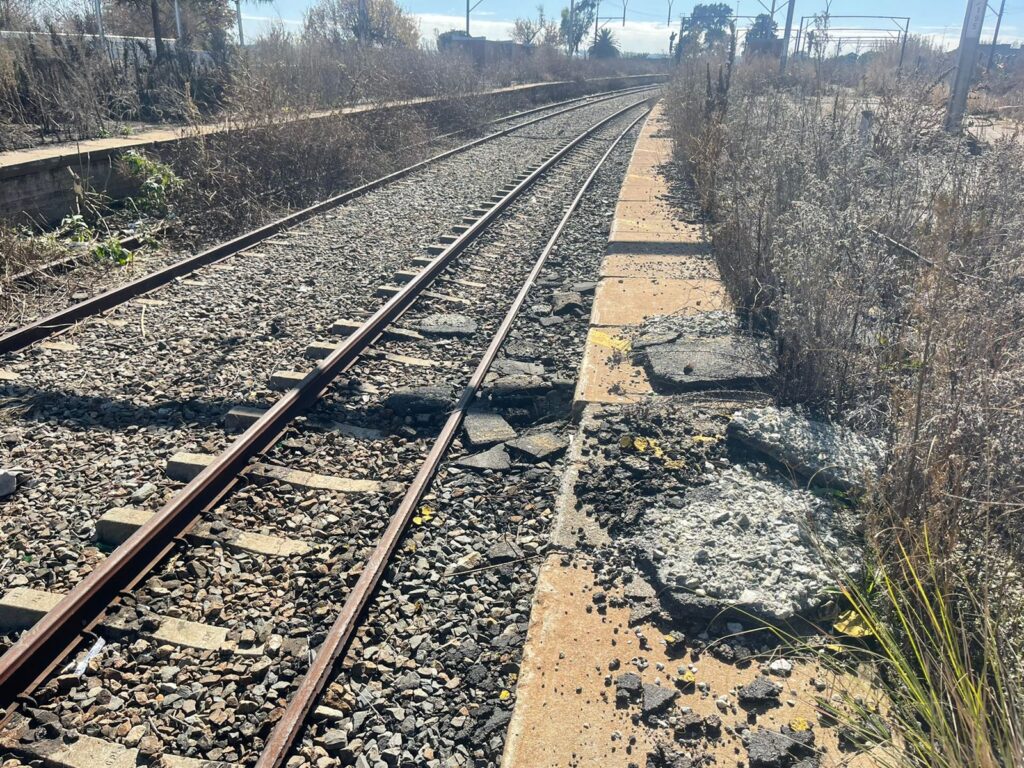
Johannesburg – A major gathering of rail industry leaders, policymakers, and private sector stakeholders is underway in Johannesburg as the Southern African Railway Association (SARA) Conference officially opened this week. With the theme “Transporting Africa Forward”, the event has placed the spotlight on how rail infrastructure can drive economic growth, regional integration, and sustainable development across the continent.

A Sector in Transition
Southern Africa’s rail network has long been considered both an asset and a challenge. While the region boasts some of the most extensive railway systems on the continent, many lines are ageing, underutilised, or hampered by inefficiencies. Years of underinvestment, theft, vandalism, and a reliance on road freight have left rail struggling to keep pace with modern demands.
Against this backdrop, the conference comes at a pivotal time. Governments across the region are ramping up efforts to modernise their networks, while also seeking greater private sector participation in rail operations and infrastructure development.
Driving Private Sector Participation
One of the major themes highlighted at the opening sessions was the need to draw in private investment to revitalise a sector that has traditionally been state-dominated. South Africa’s government, in particular, has recently introduced policy shifts to allow private operators greater access to freight corridors, a move seen as essential to improving efficiency and reducing pressure on deteriorating roads.
Delegates at the conference are debating how best to structure partnerships between governments, operators, and financiers in ways that balance commercial viability with public interest.

Irene Charnley on the Conference’s Aims
Speaking to eNCA, Irene Charnley, chairperson of the board at the Gibela Rail Transport Consortium, emphasised the importance of collaboration and innovation in the rail sector.
“The aim of this conference is to build bridges between policy, investment, and implementation,” Charnley explained. “Rail is not just about moving goods or people it is about transforming Africa’s economy, creating jobs, reducing emissions, and connecting communities.”
Charnley noted that the conference seeks to address critical questions: How can African railways become globally competitive? What technologies can be adopted to modernise operations? And what role should governments play in creating an enabling environment for investment?
Transporting Africa Forward
The theme “Transporting Africa Forward” speaks directly to rail’s potential role as a catalyst for continental development. Efficient and reliable rail networks can reduce transport costs for businesses, support the African Continental Free Trade Area (AfCFTA), and boost cross-border trade.
For landlocked countries such as Zambia, Zimbabwe, and Botswana, rail links to South African ports remain vital lifelines. Yet delays, poor maintenance, and corruption at key choke points have often undermined this potential. The conference aims to highlight success stories while also addressing persistent challenges.

Environmental and Social Dimensions
Beyond economics, delegates are also examining how rail can contribute to sustainability goals. With the global push to reduce carbon emissions, shifting freight from road to rail is seen as a crucial strategy. Rail transport consumes significantly less energy per tonne of goods moved and offers a greener alternative to heavily congested highways.
At the same time, railway investment has strong social implications. Expanded passenger networks could ease the daily struggles of commuters in metropolitan areas, while rural connections could improve mobility for underdeveloped regions.
The Road Ahead
The Johannesburg conference is expected to produce a series of recommendations for both governments and industry players. These may include frameworks for public-private partnerships, proposals for regional integration of rail standards, and commitments to invest in training and technology.

Observers note that the success of such gatherings depends on follow-through. Africa has hosted numerous conferences where lofty goals were announced, but practical implementation lagged. With global competition for investment and trade routes intensifying, this time, the pressure to deliver is greater than ever.
Conclusion
As the SARA Conference unfolds, one message rings clear: Africa’s future growth cannot be achieved without strong, efficient, and sustainable transport systems and rail is at the heart of that vision.
For South Africa and its neighbours, “transporting Africa forward” is more than just a theme. It is a call to action to modernise infrastructure, attract investment, and ensure that rail becomes not just a relic of the past, but a driver of Africa’s future.
About the Author