School Feeding Scheme in Crisis: KZN Education Under Fire Amid Corruption Allegations
 Viable News Team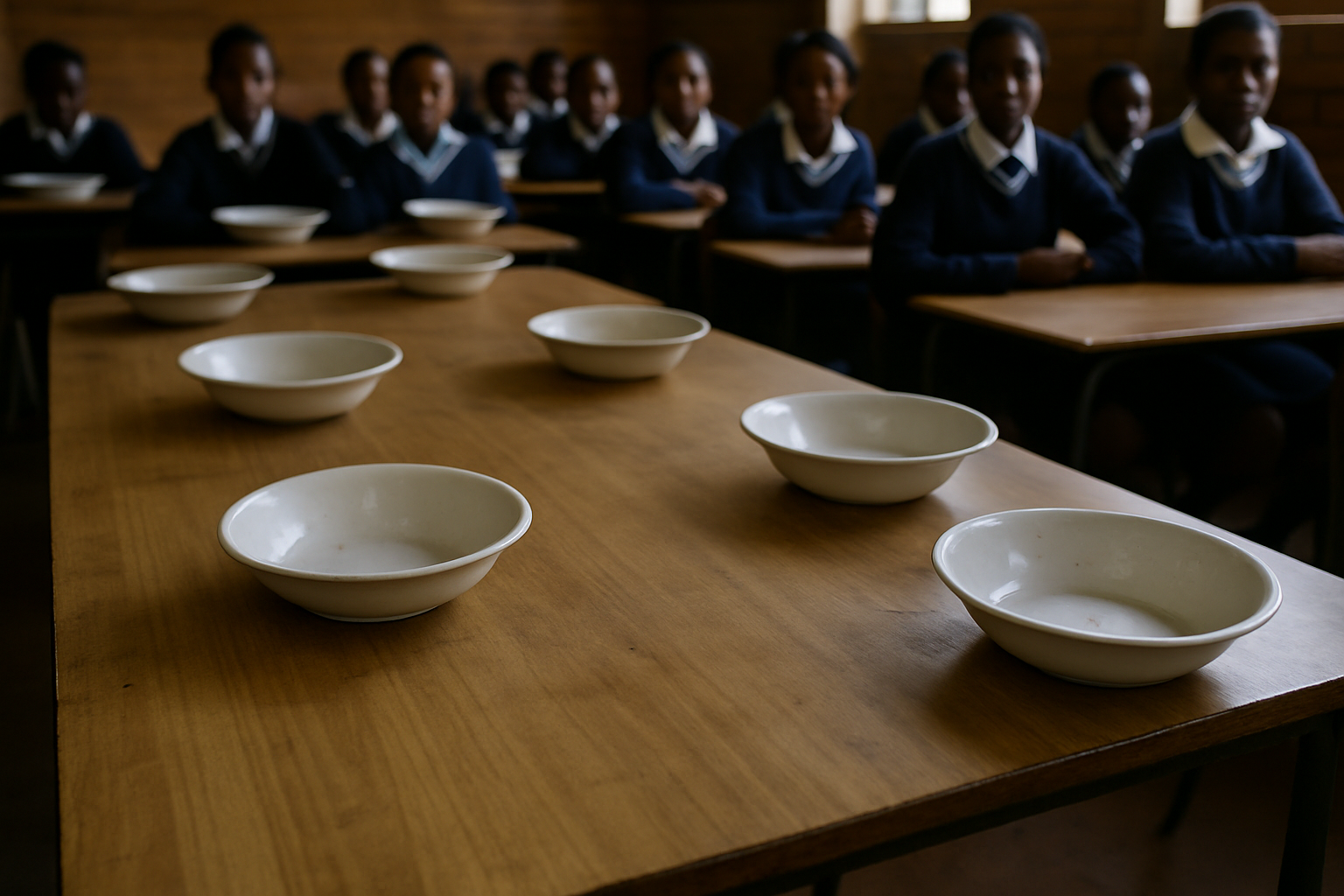
The KwaZulu-Natal (KZN) Department of Education has come under intense scrutiny following allegations of corruption and mismanagement linked to its multi-million-rand school feeding scheme. What was intended to be a lifeline for over two million learners has rapidly turned into a subject of national concern, raising serious questions about accountability, procurement procedures, and government oversight.
The National School Nutrition Programme (NSNP), which serves meals to pupils across the province, recently encountered major disruptions. At the heart of the crisis is a controversial R2.1 billion contract awarded to a single service provider, Pacina Retail, to distribute food to over 5,400 schools. The arrangement faced immediate backlash from school principals, unions, and community members, many of whom reported delays and inadequate deliveries shortly after the contract came into effect.
Educators and school governing bodies highlighted that learners were left hungry as food deliveries either arrived late or failed to arrive entirely. The situation became so dire that some schools had to seek emergency assistance from local communities and NGOs to keep their feeding programmes running.
Government Acknowledges “Operational Challenges”
While defending the scheme’s intentions, the KZN Department of Education admitted to what it termed “operational challenges.” Officials stated that the department is working to stabilize the distribution process and prevent further disruptions. However, critics argue that the core issue lies in the department’s decision to centralize the contract, effectively removing thousands of smaller, local suppliers who had previously managed the system effectively for years.
Amid the uproar, the provincial government has promised a full review of the programme. National Basic Education Minister Angie Motshekga confirmed that her department is closely monitoring developments in KZN and will intervene if necessary. She acknowledged the seriousness of the situation and said any irregularities found will be dealt with decisively.
The most pressing concerns relate to how Pacina Retail was awarded the contract, despite reportedly lacking the infrastructure to manage such a large-scale operation. Opposition parties and civil society organisations have demanded transparency and an investigation into the procurement process. They argue that sidelining experienced, local suppliers not only undermined food security for children but also disrupted local economic ecosystems.
The Democratic Alliance (DA) has called for the termination of the current contract and an independent investigation into alleged corruption. Education unions have echoed similar sentiments, urging the government to prioritize learners’ needs over questionable business dealings.
As the review unfolds, stakeholders are calling for the reinstatement of decentralized food supply chains and more stringent monitoring mechanisms. The incident has also reignited debates over the broader use of public funds in South Africa, particularly within sectors meant to support vulnerable communities.
For the thousands of children affected, the resolution cannot come soon enough. As the situation develops, the nation watches closely hoping that lessons will be learned, and that the integrity of vital social programmes will be restored.
About the Author