Trump Calls Iran ‘Evil’ as US-Iran Tensions Escalate Following Strait of Hormuz Strike
 Viable News Team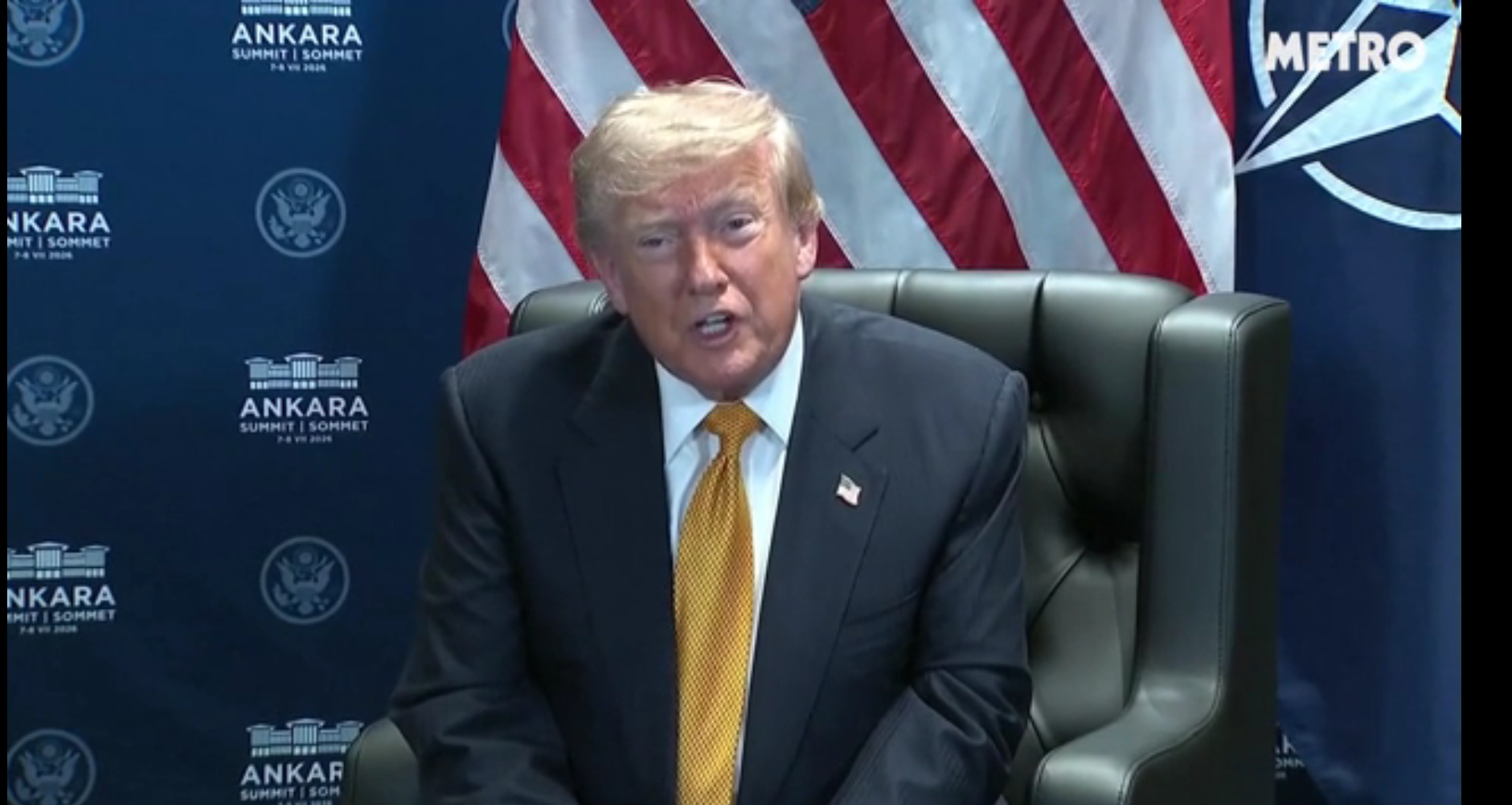
Tensions between the United States and Iran have intensified after U.S. President Donald Trump sharply criticized Iran during the NATO Summit in Turkey, describing the country as “evil” and saying further negotiations were “a waste of time.”
Speaking to reporters on the sidelines of the summit, Trump suggested diplomatic efforts had reached an impasse as hostilities between the two countries continued to escalate.
His remarks came after a tentative Memorandum of Understanding (MoU) aimed at easing tensions reportedly unraveled following U.S. military strikes targeting vessels belonging to Iran’s Islamic Revolutionary Guard Corps (IRGC) in the strategically important Strait of Hormuz.
According to reports, the strikes prompted a large-scale retaliatory response from Iran, which allegedly launched attacks targeting 85 U.S. military sites in Bahrain and Kuwait.
The reported attacks mark a significant escalation in the conflict, raising concerns about the potential for a broader regional confrontation involving U.S. forces and key American allies in the Middle East.
The Strait of Hormuz remains one of the world’s most strategically important waterways, with roughly one-fifth of global oil shipments passing through the narrow channel. Any disruption to maritime traffic in the area could have major consequences for global energy markets and international trade.
World leaders are closely monitoring developments as fears grow that continued military exchanges could further destabilize the region. Diplomatic efforts to de-escalate the crisis have become increasingly challenging amid the latest exchange of attacks.
At the time of publication, U.S. and Iranian officials had not released comprehensive assessments of the reported strikes or confirmed the full extent of the damage and casualties.
Analysts warn that the coming days will be critical in determining whether diplomatic channels can be reopened or whether the conflict will continue to escalate, with potentially far-reaching implications for regional security and the global economy.
About the Author