Kylie Jenner’s Meta Smart Glasses Campaign Sparks Privacy Debate
 Viable News Team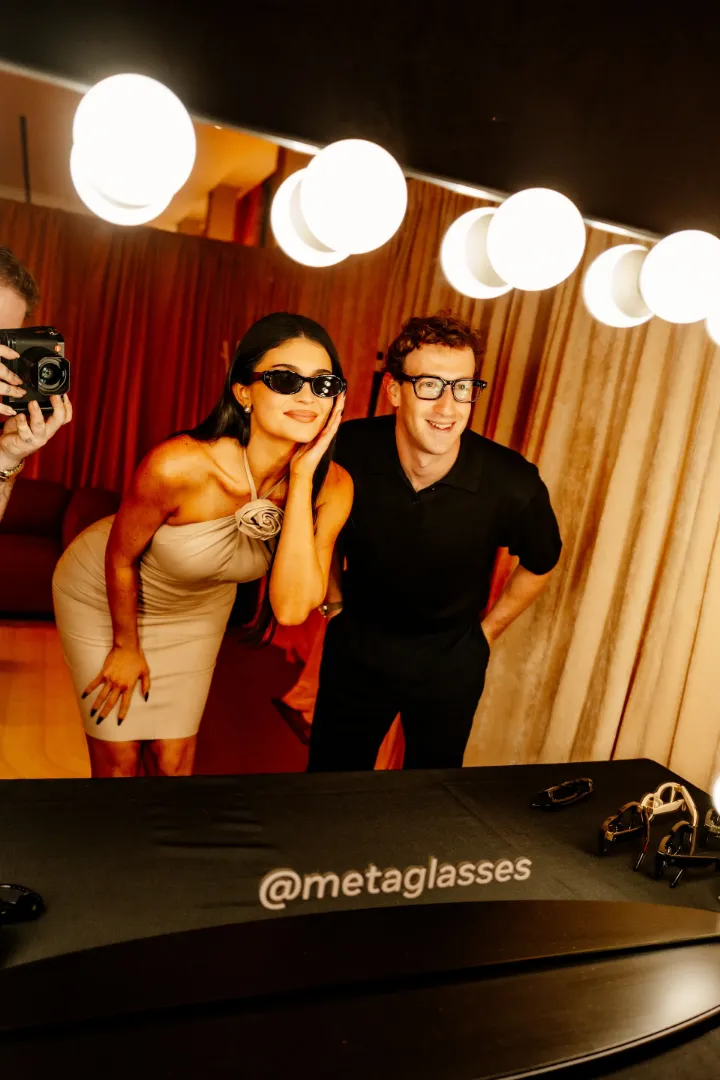
Kylie Jenner has found herself at the center of a growing privacy debate after appearing in a new campaign promoting Meta‘s AI-powered smart glasses.
The campaign, which showcases the wearable technology’s hands-free camera, voice commands and artificial intelligence features, has generated widespread discussion online. While many users praised the innovation, others raised concerns about how the devices could affect personal privacy in public spaces.
Meta’s smart glasses allow users to capture photos and videos, make calls, listen to music and interact with the company’s AI assistant using voice commands. The wearable technology is designed to offer a more seamless way to access digital tools without constantly using a smartphone.
However, critics argue that smart glasses capable of discreetly recording video or taking photographs could make it difficult for people nearby to know when they are being filmed. Privacy advocates have questioned whether existing safeguards are sufficient as wearable AI devices become more common.
Jenner’s involvement in the campaign amplified the conversation due to her massive global following. Supporters view the partnership as another example of celebrities helping introduce emerging technology to mainstream audiences, while others believe it highlights broader ethical questions surrounding AI-enabled wearables.
The debate reflects increasing public scrutiny of artificial intelligence and connected devices, particularly as technology companies race to integrate AI into everyday consumer products. Industry experts say future adoption of smart glasses may depend not only on their functionality but also on how companies address transparency, data protection and user privacy.
Meta has previously stated that its smart glasses include privacy features such as an LED indicator that lights up when recording is in progress. The company has also published guidance encouraging users to respect the privacy of others when using the devices.
As AI-powered wearables continue evolving, the discussion surrounding convenience, innovation and privacy is expected to remain at the forefront of public conversation.
About the Author