“Healer of Death: Limpopo Mother and Toddler Beheaded in Ritual Horror”
 Viable News Team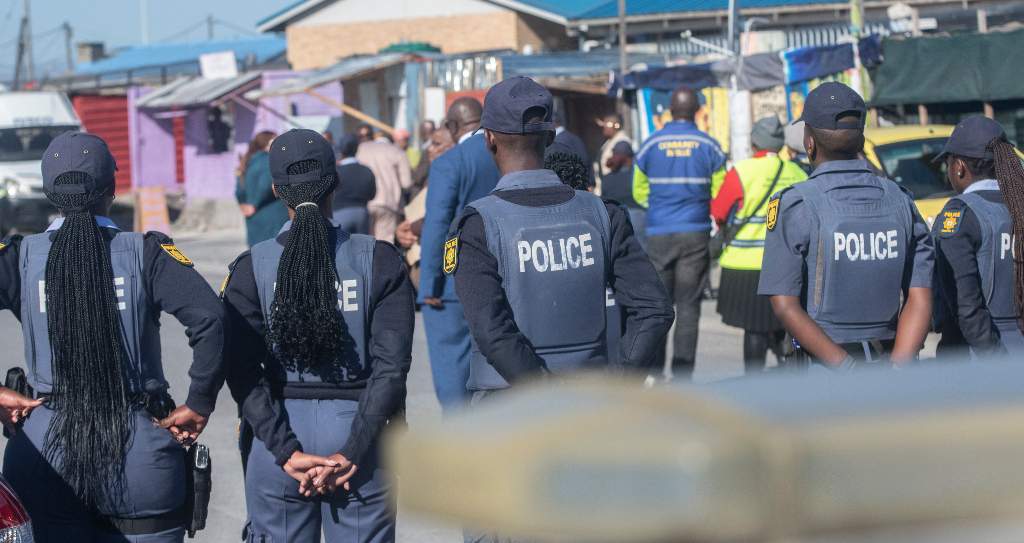
In the quiet village of Muraga, nestled in South Africa’s Limpopo province, a horror has unfolded that has left an entire nation stunned. A traditional healer has been arrested after police discovered the severed heads of a young mother and her toddler daughter in his possession weeks after their decapitated bodies were found dumped in the region. The victims, 34-year-old Rendani Tshigwil and her two-year-old child, Ndingatshilidzi Muronga, had been missing since mid-May. What began as a missing persons report soon spiraled into a dark tale of alleged ritual murder, betrayal, and unimaginable brutality.
When the bodies were discovered on July 30, hope of finding the pair alive was finally extinguished. The discovery was grim: the mother and child had been decapitated, their remains abandoned without dignity. Forensic teams were called in, and a large-scale investigation followed. The community, already on edge from their disappearance, now found itself in the grip of fear and outrage. Within days, police arrested two suspects, one of whom was believed to be Rendani’s boyfriend. But the story did not end there.
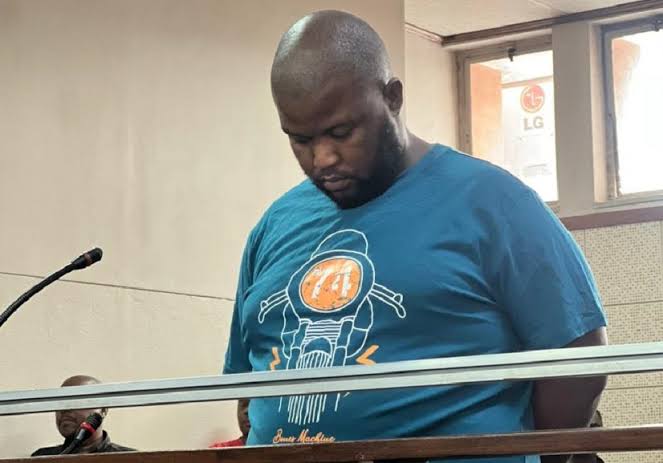
The next breakthrough came when law enforcement, acting on a tip-off, searched the home of a 38-year-old traditional healer. There, they found the missing heads evidence so disturbing it jolted even seasoned officers. Alongside the healer, another man, aged 55, was arrested. Both now face charges of murder and possession of human tissue. As they await their court appearance, the country is once again confronting a recurring and deeply troubling phenomenon: ritual killings cloaked in the guise of cultural tradition.
South Africa has long struggled with the line between cultural practices and criminal exploitation. While most traditional healers are legitimate and respected in their communities, some exploit belief systems for personal gain, trafficking in what’s known as “muti” murders ritual killings where body parts are harvested for use in traditional medicine. Victims, often women or children, are chosen for specific body parts believed to hold spiritual or economic power. These crimes are not crimes of passion. They are premeditated, methodical, and rooted in a distorted version of ancestral practices that most traditional leaders condemn.
In this case, the involvement of a traditional healer cuts even deeper. These figures are expected to provide care, wisdom, and protection. That one could instead be involved in such a violent and calculated act has left many reeling. It also raises critical questions about oversight. How are traditional healers regulated? Who ensures that those claiming to work with spiritual energy are not exploiting their role for sinister purposes?
In response to the growing concern, the CRL Rights Commission has renewed calls for a national vetting process. They argue that individuals in spiritual, religious, and cultural leadership particularly those who engage with children should undergo criminal background checks and registration. Their proposals include fingerprinting, identity verification, and routine oversight under existing laws protecting minors. The commission has been advocating for this for years, citing previous incidents where so-called spiritual leaders have used their authority to commit violent crimes.
About the Author