Mbalula Reaffirms ANC’s Support for Iran After US–Israeli Strikes As South Africans Remain Deeply Divided
 Viable News Team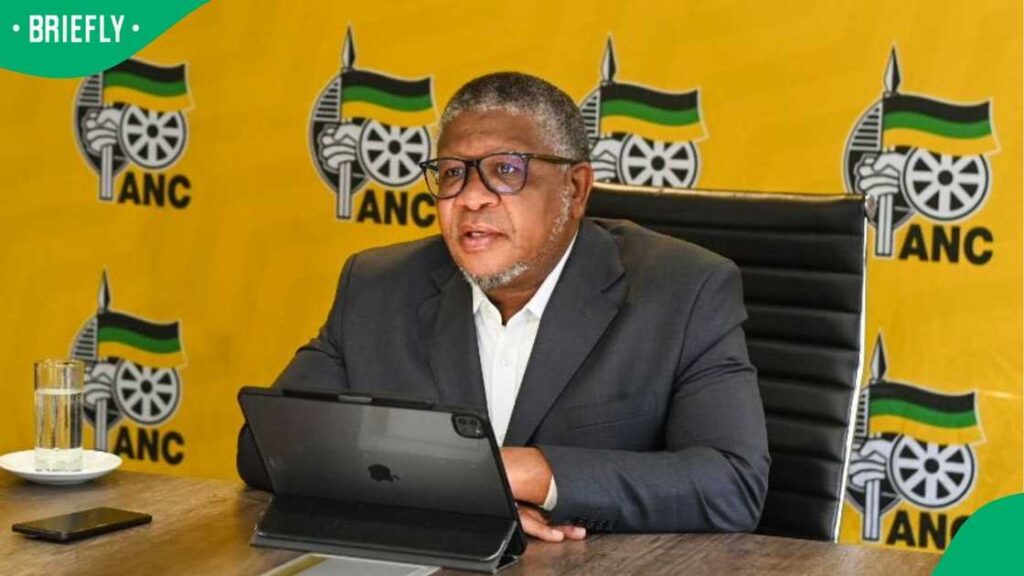
For over a decade, journalist Byron Pillay has chronicled South Africa’s shifting political landscape. His reporting shaped by years at the Northern Natal Courier and later in digital media has captured moments of national tension, debate, and transformation. The latest flashpoint arrived this week, as conflict in the Middle East triggered heated discussion at home.

On 28 February 2026, the governments of United States of America and Israel launched a coordinated military campaign against Iran. Washington dubbed the mission Operation Epic Fury, while Tel Aviv referred to it as Operation Roaring Lion two names that quickly dominated global news cycles.
Iran retaliated with an aerial assault involving drones and missiles launched into neighbouring states across the Persian Gulf. Amid the escalating turmoil, reports confirmed the death of the country’s Supreme Leader, Ayatollah Ali Khamenei, sending shockwaves across the region.

Back in South Africa, the conflict has sharply divided public opinion. While some have praised the US-led intervention as a blow against authoritarianism, others view it as reckless geopolitical aggression. Into this fractured landscape stepped ANC Secretary-General Fikile Mbalula once again reaffirming the party’s historical solidarity with Iran.
A Diplomatic Friendship Revisited
Mbalula took to social media to underscore the long-standing ties between the ANC and the Iranian government, sharing a video of former president Nelson Mandela meeting with Iranian leadership during the post-apartheid years.
He reminded followers that Iran had severed all relations with apartheid South Africa in 1979, speaking out against racial oppression long before global pressure intensified.
“Their stance was clear – Iran cannot have relations with a racist, oppressive regime,” Mbalula said.
He argued that this principled position laid the foundation for a friendship built on shared struggles and mutual respect one the ANC still values today. Mbalula reiterated the party’s earlier condemnation of the latest military strikes, framing dialogue does not force as the only viable path to lasting peace.
Opposition Parties Accuse ANC of Hypocrisy
Not everyone agreed. The strongest criticism came from the Democratic Alliance, whose spokesperson on international relations, Ryan Smith, argued that the ANC’s stance amounted to a betrayal of South Africa’s constitutional values.
Smith accused the ruling party of applying double standards in foreign policy, saying:
“South Africa’s silence on Iran is not just an indictment on our country, but on the ANC leadership that has traded ethics and morality for political power.”
His comments reignited debate about whether South Africa’s foreign policy is genuinely “non-aligned” or strategically selective.
South Africans React: From Outrage to Praise
Following Mbalula’s post, South Africans flooded social media with reactions that ranged from outraged to supportive. Some condemned Iran’s human rights record; others defended the ANC’s historical alliances.
Here’s a snapshot of the public mood:
- @dramadelinquent: “You are defending a human rights abuser aren’t you embarrassed?”
- @BuyNoEvil: Referencing comments by Rudzani Maphwanya, the chief of the South African National Defence Force, they asked whether South Africa planned to take sides militarily “or was that ‘brotherhood’ just poetic?”
- @Lastking_Dk: Accused the ANC of enriching itself while Iran “progressed post-1994.”
- @russ421: “This is an ill-advised post, comrade leader.”
- @Tolstoys11: “We must never forget those who stood with us in our time of need.”
- @SkhumbuzoSkosa6: “But you always say you’re non-aligned.”
- @Daniel7YinYang: “And now you bring in Mandela. Shame on your opportunistic, manipulative tactics.”
- @BSephelle: “We will never forget, even though the ANC government doesn’t take our national security seriously.”
The comments reflect how foreign policy, although far removed from daily life, can stir strong emotions and reignite long-standing grievances at home.
Government Calls for Calm, Diplomacy, and Rule of Law
As global tensions rose, President Cyril Ramaphosa urged restraint and a return to diplomatic engagement. He condemned pre-emptive military action, noting that “anticipatory self-defence” has no legal basis under the United Nations Charter.
Ramaphosa stressed that long-term peace in the Middle East can only be achieved through:
- inclusive negotiations,
- sustained mediation, and
- a renewed commitment to international law.
His call echoed South Africa’s traditional foreign policy stance one rooted in negotiation, dialogue, and a distrust of unilateral military intervention.
A Global Crisis, A Local Reflection
As fighting continues in the Middle East, South Africa finds itself grappling with bigger questions about its own identity on the world stage. Should historical alliances dictate present-day policy? Should moral values trump geopolitical strategy or the other way around?
Mbalula’s reaffirmation of the ANC’s support for Iran has brought these questions into sharp focus, revealing political and social fractures that run deeper than a single foreign policy statement.
What remains clear is that global conflicts often have a way of illuminating long-standing tensions at home—and this latest crisis is no exception.

About the Author