Witness Safety Takes Centre Stage in University of Fort Hare Murder Trial
 Viable News Team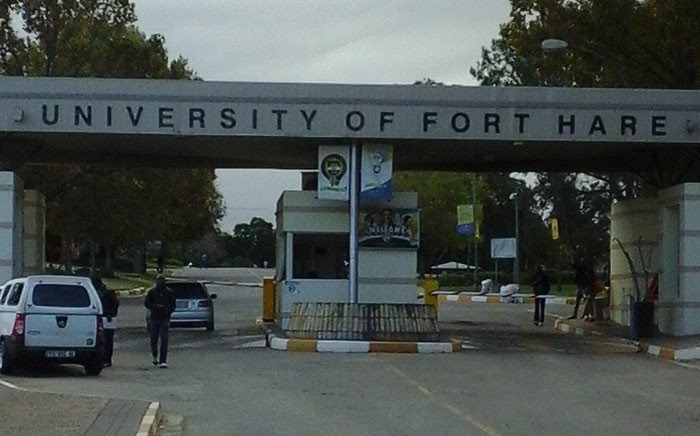
BHISHO, Eastern Cape – Wednesday, 03 September 2025
The long-awaited murder trial linked to a string of violent attacks at the University of Fort Hare has taken a dramatic turn, with the High Court in Bhisho ruling that proceedings will not be broadcast to the public. The decision, handed down this week, comes amid growing concerns over the safety of key witnesses who are expected to testify against eight accused individuals facing charges of murder and attempted murder.

A Trial Shrouded in Secrecy
Seven men and a woman are currently standing trial for the brazen killing of Vice-Chancellor Professor Sakhile Buhlungu’s bodyguard, Mboneli Vessele, who was gunned down outside the academic’s residence in January 2023.
The accused also face charges linked to the murder of Fort Hare’s former fleet manager, Petrus “Petro” Roets, who was ambushed and shot outside his home in May 2022. Prosecutors believe both killings form part of a broader conspiracy to intimidate and eliminate individuals who stood in the way of corruption being rooted out at the institution.

The High Court has since split the proceedings into two separate trials: one focusing on Roets’s murder, and the other on Vessele’s assassination. Both cases, however, are bound together by what investigators describe as “a sinister web of greed, contracts, and corruption.”
The Court’s Ruling: Safety Over Transparency
While South African courts generally allow cameras as part of efforts to promote transparency, Judge Mandla Nkomo ruled that the Fort Hare trial must remain shielded from live broadcasts.
According to the judgment, televising the proceedings could expose witnesses to intimidation, retaliation, or even physical harm. “The court has an obligation to safeguard the lives of those who come forward to tell the truth,” Judge Nkomo said. “Given the high-profile nature of this matter, it would be reckless to allow witnesses to testify under the glare of cameras.”

Legal experts say the ruling is not unprecedented, but it underscores the severity of threats hanging over the case. Witnesses are expected to reveal details of assassination plots, contract killings, and alleged corruption within the university’s administration.
A University Under Siege
The University of Fort Hare, one of South Africa’s most historic institutions and alma mater of leaders such as Nelson Mandela and Oliver Tambo, has in recent years been rocked by violent attacks linked to corruption scandals.
Vice-Chancellor Buhlungu, who has openly declared war on corruption at the university, has survived several threats to his life. His bodyguard’s murder was widely seen as a chilling message to those who dared to stand against entrenched criminal networks.

Roets, the fleet manager killed months earlier, was reportedly targeted after uncovering irregularities in vehicle procurement contracts. His murder further entrenched fears that Fort Hare had become a battleground for shadowy interests siphoning millions from the institution.
Witnesses in the Crossfire
The decision to block cameras has reignited the debate on witness safety in South Africa’s criminal justice system. Too often, witnesses in high-profile cases have been harassed, threatened, or killed before they could take the stand.

Civil society groups welcomed the Bhisho court’s cautious stance. “This is not about hiding the truth from the public,” said anti-corruption activist Nontokozo Mkhize. “It’s about ensuring that people brave enough to testify make it home alive. Without them, there is no case.”
Still, media freedom advocates argue that the ruling places a veil over a case of immense public interest. “The Fort Hare saga is not just about one university it’s about the cancer of corruption in our higher education sector,” said journalist and media analyst Thabo Seabi. “The public deserves to see justice being done.”
What Comes Next
The trial is set to resume next week, with prosecutors expected to call their first key witnesses. Among them are insiders alleged to have direct knowledge of how contracts were manipulated and how assassinations were planned.

Security around the courthouse in Bhisho has already been tightened, with police vowing to protect both witnesses and court officials throughout the trial.
For Fort Hare, the proceedings mark a pivotal moment in its struggle to restore its integrity and protect its leadership from further bloodshed. For South Africa, the case is a stark reminder of the dangerous intersection between corruption, power, and violence.
As the trial moves forward behind closed lenses, all eyes will remain fixed on Bhisho not through television screens, but through the outcome of a case that could either embolden or deter those who wield violence in the shadows of South Africa’s institutions.

About the Author