Vodacom Triumphs in “Please Call Me” Battle: Constitutional Court Ruling Sets Precedent
 Viable News Team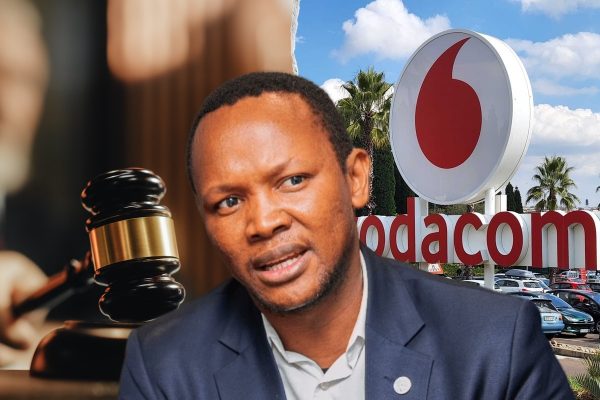
In a landmark ruling, South Africa’s Constitutional Court has upheld Vodacom’s appeal in the long-running “Please Call Me” case, putting an end to a saga that has captured the public’s attention for years. This decision marks a crucial victory for the telecommunications giant in a case that has drawn much attention, not only for its legal implications but for the broader issues of intellectual property and innovation in South Africa’s tech landscape.
A Brief History of the “Please Call Me” Saga
The “Please Call Me” case dates back to 2001 when a Vodacom employee, Nkosana Makate, claimed he was the original inventor of the revolutionary “Please Call Me” service—a simple yet groundbreaking feature that allowed users to send free text messages requesting a return call, without incurring any charges. This innovation later became a core service for mobile users in South Africa and is considered one of the most popular and game-changing features in the country’s mobile history.
Makate’s claim was that he had pitched the idea to his superiors at Vodacom, but was not compensated for his intellectual contribution. Over the years, the case has been tangled in legal disputes, with Makate seeking financial compensation and recognition for his role in the invention of the service.
The Constitutional Court’s Decision
After years of legal battles in lower courts, the Constitutional Court’s recent ruling upheld Vodacom’s appeal, bringing clarity and finality to the case. The court’s decision is seen as a significant win for Vodacom, which had argued that a previous ruling ordering them to pay Makate a substantial amount was unjust.
The Constitutional Court’s judgment has been lauded by legal experts as a reinforcement of the rules surrounding intellectual property, particularly when it comes to corporate innovation. The ruling highlights the complexities of patent and innovation rights in a rapidly evolving tech sector. Vodacom now looks to move forward, with the court’s judgment effectively ending any further claims to compensation.
At the heart of this case is the issue of intellectual property and how companies protect and reward innovation within their ranks. The “Please Call Me” case serves as a cautionary tale about the importance of clear agreements between employees and employers when it comes to inventions and intellectual property.
For companies in the tech industry, the case underlines the need for clear, written contracts and policies to manage and protect the contributions of their employees. On the other hand, it also raises questions about the balance between protecting employees’ rights to their ideas and ensuring that companies can fairly manage and monetize innovations in a competitive market.
The Constitutional Court’s ruling will likely have broader implications for future intellectual property disputes in South Africa. By upholding Vodacom’s appeal, the court has reinforced the principle that corporations are not automatically required to compensate employees for ideas unless there is a clear agreement in place that stipulates otherwise.
This decision could influence future cases involving patent and trademark disputes, particularly in sectors such as telecommunications, technology, and media, where intellectual property plays a central role in company valuations and success. It may also set a new standard for how employees and employers must negotiate and document their contributions to innovative projects.
Vodacom, for its part, has welcomed the Constitutional Court’s decision, with the company emphasizing that the ruling will allow it to focus on driving future innovation in South Africa’s telecommunications market. As a leader in the country’s mobile industry, Vodacom is now free to focus on expanding its services and addressing the needs of South African consumers, unencumbered by the weight of this protracted legal battle.
In a statement, Vodacom expressed relief that the long-running legal dispute could now be put to rest. The company reaffirmed its commitment to fostering an environment of creativity and innovation, where ideas are brought to life with the aim of benefiting both consumers and the economy at large.
While Vodacom’s victory is seen as a triumph for the corporation, the ruling has sparked mixed reactions from the public and legal experts. Many have voiced sympathy for Makate, who, despite his efforts to claim his intellectual property, has seen his case drawn out for over two decades. Some argue that the court’s decision could discourage innovation among employees, particularly in industries where breakthrough ideas are the currency of success.
Others, however, argue that the ruling will serve as a deterrent for individuals making unsubstantiated claims, ensuring that companies are able to protect their intellectual property and avoid the potential for endless legal disputes.
The “Please Call Me” case is officially closed, and with it, a chapter in South Africa’s legal history comes to an end. For Vodacom, the ruling signals a new beginning, free from the shadow of this long-running dispute. The company is now positioned to continue its role as a leader in South African telecommunications and beyond.
As for Nkosana Makate, while the ruling may feel like a setback, his case has already brought attention to the importance of recognizing and protecting intellectual property in South Africa’s evolving tech landscape. Whether the case will have lasting effects on the treatment of employees’ contributions remains to be seen, but it has certainly opened up conversations about fairness, innovation, and ownership in the corporate world.
This ruling may close one chapter, but it opens many more for companies and innovators alike, as South Africa’s legal and business communities continue to navigate the complexities of intellectual property in the modern age.
About the Author