“Viral Video Horror: Four Face Attempted Murder After Toddler Smokes Mandrax”
 Viable News Team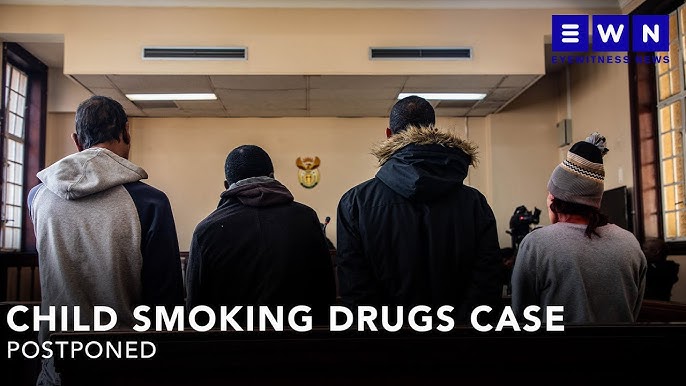
Image: Source
A deeply disturbing case that shocked the nation is set to return to the Johannesburg Magistrate’s Court on Monday morning, where a mother and three other individuals are facing charges after a video surfaced showing a toddler being encouraged to smoke a mandrax-laced pipe. The footage, which rapidly went viral across South Africa’s social media platforms last week, ignited widespread outrage and renewed calls for harsher penalties for child abuse.
The four accused including the boy’s mother have been formally charged with child neglect, child abuse, and attempted murder. In the widely circulated video, a 4-year-old boy is seen being coaxed into lighting and inhaling from a pipe believed to contain mandrax, a highly addictive sedative-hypnotic drug often associated with street-level substance abuse and gang activity. One of the accused appears to offer encouragement and laughter as the child, visibly confused and unsteady, attempts to take several puffs from the pipe.
According to initial police statements, the video was brought to the attention of authorities by concerned members of the public, prompting an urgent investigation. Within 48 hours, police traced the individuals in the video and made arrests. The child, who was identified by local welfare authorities, has since been removed from the home and placed in protective care.
The case first appeared in court last week, but proceedings were postponed to allow the accused to secure legal representation. With the matter resuming this Monday, the State has confirmed its intention to oppose bail, citing the seriousness of the charges, the vulnerability of the victim, and concerns for public safety. Prosecutors are also expected to present evidence supporting the claim that the incident was not isolated and may have occurred multiple times.
Social Development Minister Lindiwe Zulu issued a strong condemnation shortly after the video emerged, stating, “What we saw was not only a criminal act but a heartbreaking failure of parental responsibility. It is abuse, it is neglect, and it will not be tolerated in our society.” Zulu further confirmed that her department is working closely with child protection services to ensure the victim receives psychological support and long-term safeguarding.
Child advocacy groups, including Childline South Africa and Women & Men Against Child Abuse (WMACA), have voiced their horror at the footage and called for systemic intervention. “This is not just about one child or one video. This is about a culture of impunity where vulnerable children are exposed to addiction, crime, and trauma inside their own homes,” said WMACA director Miranda Jordan.
Legal experts following the case say the inclusion of the attempted murder charge is significant, as it signals the State’s position that forcing a toxic substance on a minor especially one as young as four could result in lethal consequences. Under South African law, attempted murder carries a potential sentence of up to 15 years in prison or more, depending on aggravating factors.
Meanwhile, the incident has reignited a nationwide discussion about parental accountability, drug abuse in domestic settings, and the role of social media in both exposing and sensationalizing child abuse cases. While the rapid spread of the video helped authorities identify and arrest the suspects, critics warn that repeatedly sharing such images can further traumatize victims and should be handled with care.
For now, the focus remains on justice for the young victim and ensuring that his welfare is prioritized as the legal process unfolds. The Johannesburg Magistrate’s Court is expected to assess whether the accused have obtained adequate legal counsel and may begin hearing arguments on bail. With the eyes of the public watching closely, the proceedings could set an important precedent for how South African courts respond to digital evidence of child abuse in the age of viral content.
Court officials have also indicated that additional charges may be considered if further investigation uncovers more incidents or if other children in the household are found to be at risk.
As the legal system takes its course, many South Africans are left grappling with the question: how does a society allow its youngest members to be endangered by the very people entrusted with their care? For a 4-year-old boy who was handed a drug-laced pipe instead of protection, that question is now a matter of justice—and healing.
About the Author