Used Chinese Car Sales Surge 89% in South Africa, Says AutoTrader
 Viable News Team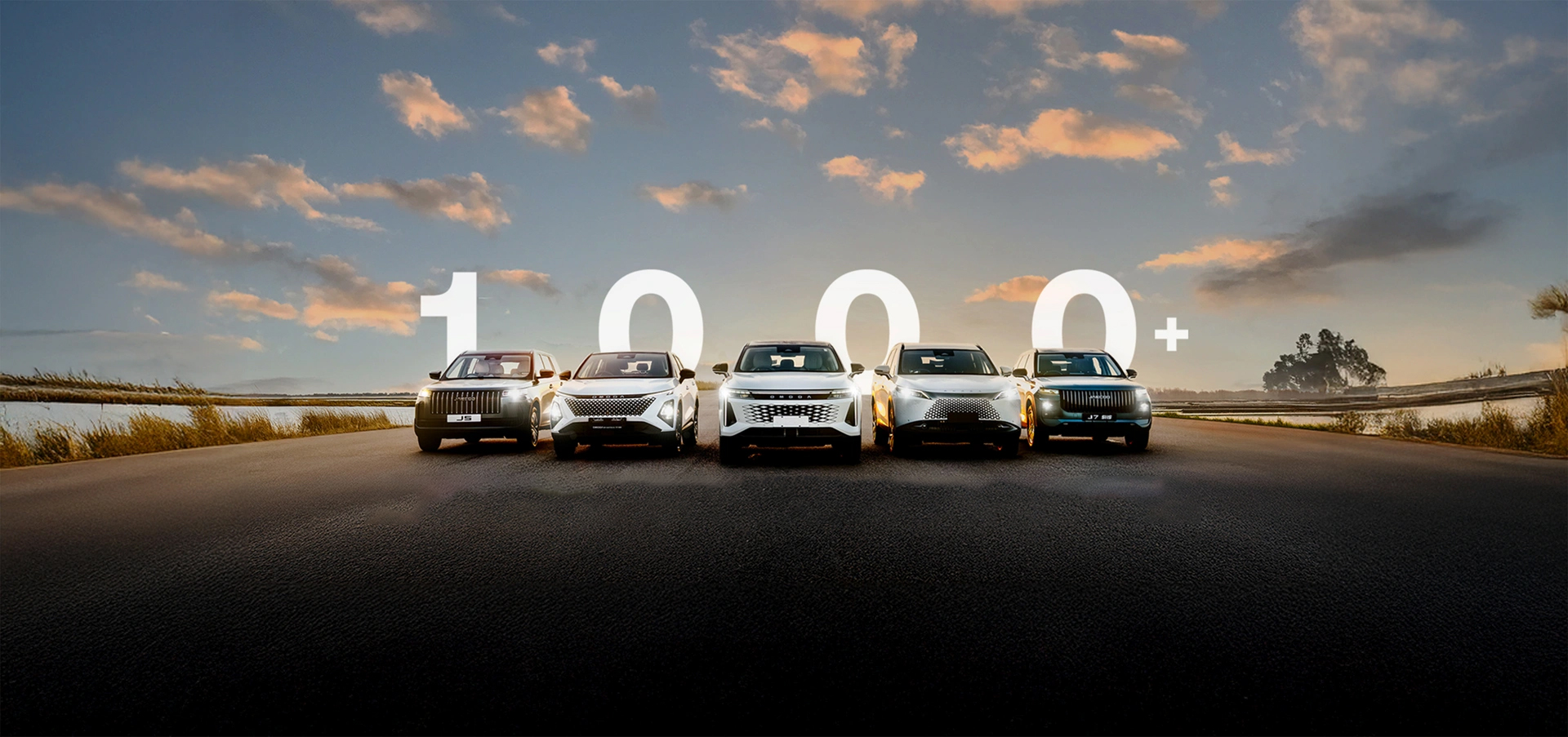
Image Credit: Jaecoo
South Africa’s used-car market is seeing a dramatic shift, with sales of second-hand Chinese vehicles on AutoTrader soaring 89% in the first half of 2025, according to the platform’s mid-year report.
Chinese Automakers on the Rise
Once viewed as underdogs in the global motoring industry, Chinese car brands are now making serious inroads into the South African market. Leading the surge is BYD, which recorded an astonishing 637% growth in used-vehicle sales, followed by Jaecoo (168%) and Omoda (99%).

AutoTrader CEO George Mienie said the rapid growth signals a “structural shift” in buyer preferences:
“Chinese automakers have found a way to deliver exceptional value at a fraction of the traditional cost, offering roughly 80% of what buyers expect for only 60% of the price. That’s changing what South Africans consider possible when it comes to affordability and technology.”
Competitive Pricing and Changing Buyer Preferences
Chinese automakers are winning market share by undercutting traditional brands on price while also improving build quality, safety features, and in-car technology. For many buyers, value-for-money now outweighs brand prestige.

More established Chinese names such as GWM, Haval, BAIC, and Chery also saw gains in the used market, recording 71%, 33%, 16% and 14% growth respectively.
Searches for Chinese cars on AutoTrader rose 67% year-on-year, showing that interest is translating into real buyer action.
Hybrids Driving Momentum
Another driver of growth is the introduction of affordable electrified vehicles by Chinese brands. Models like the Haval H6, Haval Jolion, and GWM Tank 300 ranked among the top 10 best-selling hybrids in South Africa between January and June 2025.

Hybrids and plug-in hybrids have typically been priced out of reach for many South Africans, but Chinese automakers are now reshaping accessibility in this segment.
Traditional Brands Still Hold Ground
Despite the surge, legacy brands such as Toyota, Volkswagen, Suzuki, and Hyundai remain dominant, with no Chinese vehicles yet cracking the top 10 lists for overall sales, searches, or enquiries.
Mienie noted that while traditional automakers should not be complacent, the competition is heating up:
“This is more than just sales growth, it’s a fundamental change in market dynamics that all automakers will need to address.”
About the Author