SABC Suspends Journalist Natasha Phiri After Explosive Testimony at Inquiry
 Viable News Team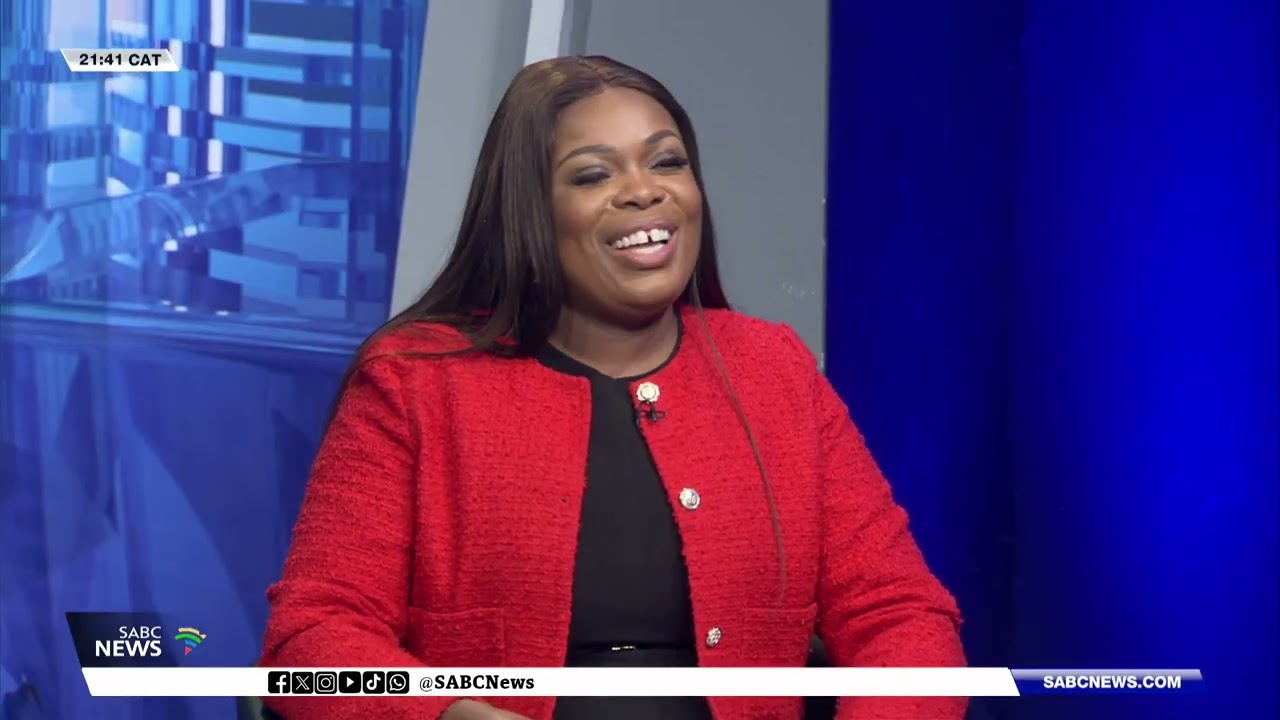
South Africa’s public broadcaster, the SABC, has placed senior political reporter Natasha Phiri on precautionary suspension following revelations made during a high-profile commission of inquiry.
The development comes after testimony at the Madlanga Commission of Inquiry on Monday, 23 March 2026, where evidence raised questions about Phiri’s conduct in relation to a controversial case involving blogger Musa Khawula.
UPDATE | In a statement released today, the SABC says it has placed journalist Natasha Phiri on a precautionary suspension following allegations made at the Madlanga Commission that a journalist was paid for information. https://t.co/ViOWyR59mj
— SABC News (@SABCNews) March 23, 2026
What Emerged at the Commission
During proceedings, Sergeant Fannie Nkosi from the Gauteng Organised Crime Unit was questioned about how authorities obtained Khawula’s contact details.

Initially, Nkosi denied paying anyone for the information. However, evidence presented to the commission including bank records and WhatsApp messages — indicated that a payment of R500 was made to a contact saved as “Natasha SABC” on 6 November 2024.
The payment allegedly coincided with the sharing of Khawula’s phone number, which was later used to track him.
Nkosi subsequently acknowledged the transfer but described it as a “personal gesture” or “token of appreciation”, rather than a direct payment for information.
MADLANGA COMMISSION | Sergeant Fannie Nkosi clarifies that he did not pay “Natasha SABC” for information, saying he gave her money because he knows her. pic.twitter.com/2JkfrymQUV
— SABC News (@SABCNews) March 23, 2026
SABC Responds
In a statement, the SABC said it views the matter in a serious light and has placed Phiri on precautionary suspension pending the outcome of an internal investigation.
The broadcaster emphasised its commitment to:
- Upholding journalistic integrity
- Maintaining public trust
- Enforcing ethical standards among its staff
Precautionary suspensions are commonly used in South Africa’s public sector to allow investigations to proceed without interference.
Ethical Questions Raised
The case has sparked widespread debate about media ethics, particularly around:

- Sharing personal contact information
- Relationships between journalists and law enforcement
- The potential misuse of information in sensitive investigations
Even small financial exchanges can raise concerns in journalism, where independence and impartiality are critical principles.
Prominent broadcaster Redi Tlhabi weighed in on the matter, reportedly describing the conduct as unethical regardless of the amount involved.
Social Media Reaction
BREAKING: The SABC has placed reporter Natasha Phiri on a precautionary suspension after it was revealed at the #MadlangaCommission that she had received R500 from Sgt Fannie Nkosi in what appears to have been gratification for sharing Musa Khawula’s phone number with him. pic.twitter.com/6mPw6VZR4p
— Ziyanda N (@ZiyandaNgcobo) March 23, 2026
The story has quickly gained traction online, with many users focusing on the relatively small sum of R500 involved.
Comments such as “Kodwa R500?” (roughly translated as “But R500?”) have trended, with some expressing disbelief that such an amount could be linked to a potential career setback.
Others, however, argue that the issue is not the amount but the principle, noting that even minor breaches can undermine trust in journalism.

Broader Context: Musa Khawula Case
The controversy also ties into the ongoing saga involving Musa Khawula, a polarising figure known for publishing celebrity and political gossip.
Testimony at the commission has suggested that his arrest may be linked to broader allegations of:
- Political pressure
- Possible misuse of state resources
- Interference in policing processes
Some observers have raised concerns that the focus on Phiri could overshadow larger issues being examined by the inquiry.
The Madlanga Commission of Inquiry is investigating serious allegations involving corruption and governance within South Africa’s justice and policing systems. As such, this incident sits within a much wider investigation into institutional conduct and accountability. Meanwhile, the commission’s hearings are expected to continue, with further revelations likely.
About the Author