Ramaphosa Calls for Transport Council to Drive Reform at National Transport Conference
 Viable News Team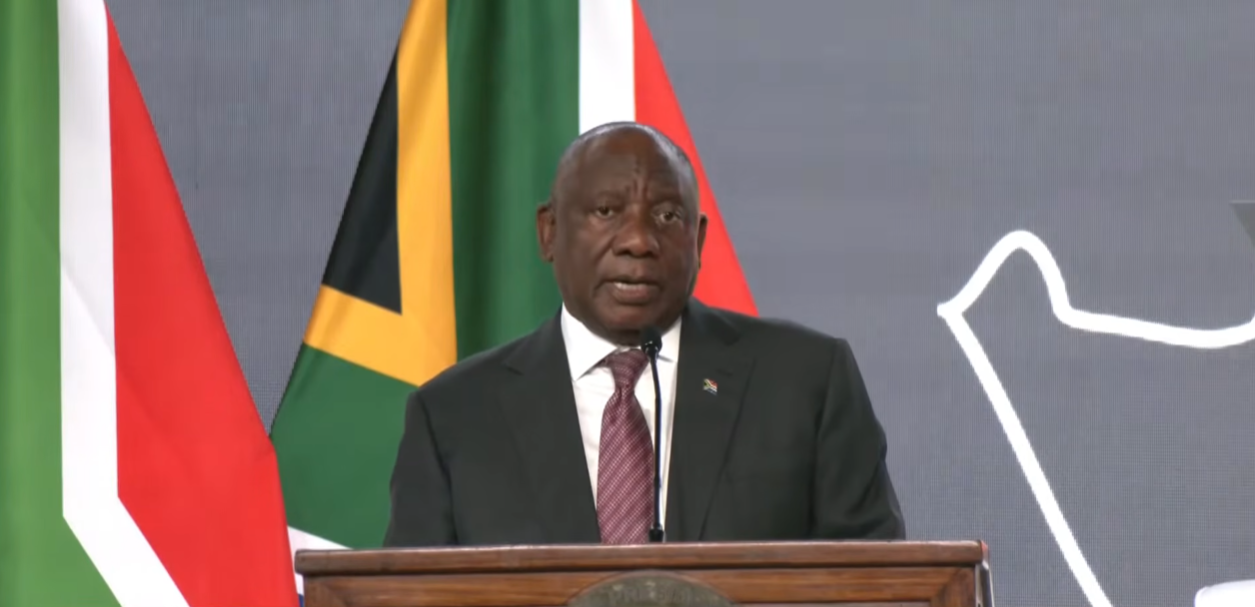
Speaking at the inaugural National Transport Conference held at the Gallagher Convention Centre on Monday, the president said the event should mark a turning point for reforms aimed at improving the movement of goods and people across the country.
Proposal for Permanent Transport Council
Ramaphosa proposed the creation of a permanent Transport Council that would bring together stakeholders from government, the private sector and transport operators across land, air and maritime sectors.
According to the president, the council would strengthen collaboration and help accelerate long-needed reforms in the country’s logistics system.
“To build the partnership that this vision requires, we should consider establishing a permanent Transport Council,” Ramaphosa told delegates.
The body would include passenger and freight service providers, logistics companies and policymakers tasked with shaping the future of South Africa’s transport network.
Logistics Inefficiencies Cost Economy Billions
Ramaphosa warned that inefficiencies in the logistics system are severely affecting economic performance.
He said delays and disruptions in freight and passenger transport are estimated to cost the economy close to R1 billion per day, increasing costs for businesses and limiting opportunities for growth.
“Transport is vital to our economy and our people. When our transport arteries are blocked or inefficient, growth stalls, costs rise and opportunity diminishes,” the president said.
Improving transport efficiency, he added, would lower the cost of doing business and make South Africa more competitive in global markets.
Rail Reform Central to Recovery Plan
The president said logistics reform forms a key part of government’s economic recovery strategy through the Medium-Term Development Plan.
A major focus is restoring rail as the backbone of the freight system through policies such as the National Rail Policy 2022 and the National Freight Logistics Roadmap 2023.
Under these reforms, government has begun opening sections of the rail network to private operators through the Transnet rail system.
The newly created Transnet Rail Infrastructure Manager is responsible for allocating rail access to private train operating companies.
Private Operators Set to Enter Rail Network
According to the president, train slots covering 24 million tonnes of freight annually have already been conditionally allocated to 11 private train operating companies.
The first private operator is expected to begin operating on the national rail network in April 2027.
Government has also set a target of transporting 250 million tonnes of freight by rail by 2029, compared with about 160 million tonnes moved in the previous financial year.
Addressing the Logistics Crisis
Ramaphosa said improvements in freight operations are already emerging through the work of the National Logistics Crisis Committee, which was established to address disruptions in the freight system.
The committee has been coordinating efforts to resolve congestion and operational problems affecting key logistics corridors, particularly those linking mines, ports and industrial hubs.
Transport Key to Economic Growth
Ramaphosa emphasised that a modern and efficient transport network is essential for economic development, job creation and regional integration across southern Africa.
He said improving logistics infrastructure will attract investment and strengthen South Africa’s role as a gateway for trade on the continent.
The president urged conference participants to use the gathering to help shape a more resilient and inclusive transport system.
“The conference presents an opportunity for stakeholders to place transport at the centre of our growth path,” Ramaphosa said.
President Cyril Ramaphosa has called for stronger cooperation between government, business and labour to transform South Africa’s struggling transport and logistics sector.
Speaking at the inaugural National Transport Conference held at the Gallagher Convention Centre on Monday, the president said the event should mark a turning point for reforms aimed at improving the movement of goods and people across the country.
Proposal for Permanent Transport Council
Ramaphosa proposed the creation of a permanent Transport Council that would bring together stakeholders from government, the private sector and transport operators across land, air and maritime sectors.
According to the president, the council would strengthen collaboration and help accelerate long-needed reforms in the country’s logistics system.
“To build the partnership that this vision requires, we should consider establishing a permanent Transport Council,” Ramaphosa told delegates.
The body would include passenger and freight service providers, logistics companies and policymakers tasked with shaping the future of South Africa’s transport network.
Logistics Inefficiencies Cost Economy Billions
Ramaphosa warned that inefficiencies in the logistics system are severely affecting economic performance.
He said delays and disruptions in freight and passenger transport are estimated to cost the economy close to R1 billion per day, increasing costs for businesses and limiting opportunities for growth.
“Transport is vital to our economy and our people. When our transport arteries are blocked or inefficient, growth stalls, costs rise and opportunity diminishes,” the president said.
Improving transport efficiency, he added, would lower the cost of doing business and make South Africa more competitive in global markets.
Rail Reform Central to Recovery Plan
The president said logistics reform forms a key part of government’s economic recovery strategy through the Medium-Term Development Plan.
A major focus is restoring rail as the backbone of the freight system through policies such as the National Rail Policy 2022 and the National Freight Logistics Roadmap 2023.
Under these reforms, government has begun opening sections of the rail network to private operators through the Transnet rail system.
The newly created Transnet Rail Infrastructure Manager is responsible for allocating rail access to private train operating companies.
Private Operators Set to Enter Rail Network
According to the president, train slots covering 24 million tonnes of freight annually have already been conditionally allocated to 11 private train operating companies.
The first private operator is expected to begin operating on the national rail network in April 2027.
Government has also set a target of transporting 250 million tonnes of freight by rail by 2029, compared with about 160 million tonnes moved in the previous financial year.
Addressing the Logistics Crisis
Ramaphosa said improvements in freight operations are already emerging through the work of the National Logistics Crisis Committee, which was established to address disruptions in the freight system.
The committee has been coordinating efforts to resolve congestion and operational problems affecting key logistics corridors, particularly those linking mines, ports and industrial hubs.
Transport Key to Economic Growth
Ramaphosa emphasised that a modern and efficient transport network is essential for economic development, job creation and regional integration across southern Africa.
He said improving logistics infrastructure will attract investment and strengthen South Africa’s role as a gateway for trade on the continent.
The president urged conference participants to use the gathering to help shape a more resilient and inclusive transport system.
“The conference presents an opportunity for stakeholders to place transport at the centre of our growth path,” Ramaphosa said.
About the Author