Evident Makatwane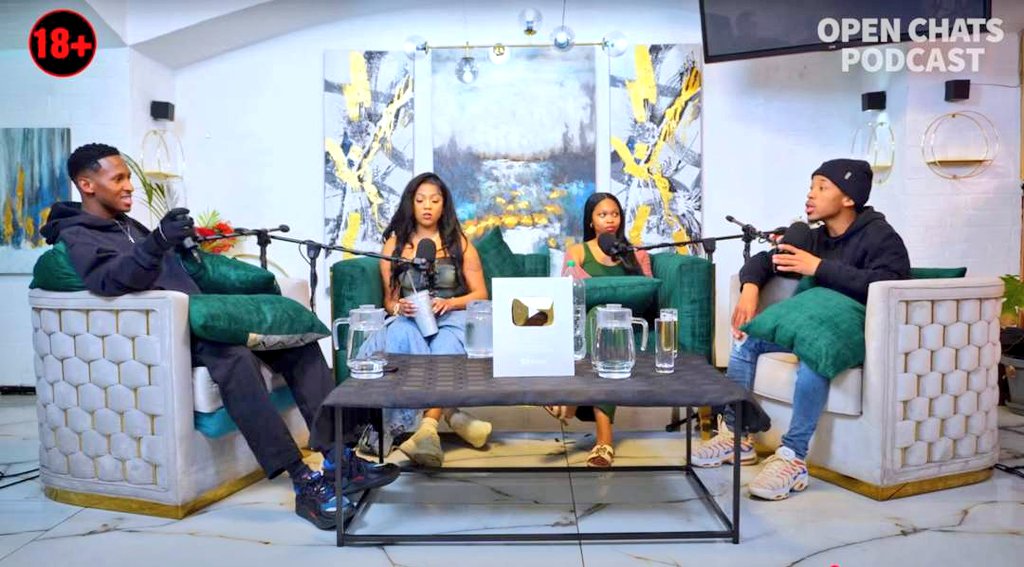
A storm of public outrage has erupted across South Africa following the circulation of a controversial episode from the Open Chats Podcast, in which the hosts made deeply offensive and racist remarks about the Coloured community.
The podcast hosts made inflammatory claims, alleging incestuous relationships and mental instability within Coloured families. The clip, which has since been removed from the original recording, ignited nationwide condemnation across political, civic, and social platforms.
One host can be heard saying, “Coloureds apparently chow [have sex with] each other,” while another added, “I do believe that because Coloureds are crazy.” The language, described as hate speech by critics, has triggered severe backlash and drawn attention to the responsibilities of digital content creators.
MultiChoice Responds: “We Do Not Endorse Discrimination”
In response to the growing outrage, MultiChoice swiftly issued a statement distancing itself from the podcast.
“Open Chats’ contract with DStv ended on 25 July 2025, as the show was removed to make way for our August content slate. The episode in question was not aired on our platform,” said a company spokesperson, adding that the broadcaster has strict quality control policies and does not support discriminatory content.
Although the controversial episode was not aired via DStv, the association with a platform previously distributed by MultiChoice has led many to demand greater vetting and monitoring of content partnerships.
Podcast Apologises, But Criticism Mounts
In an attempt to quell the backlash, Open Chats Podcast issued a public apology on social media, saying:
“The intention was never to cause harm or disrespect the Coloured community… We do understand that as a platform, we should conduct our conversations in a respectful manner.”
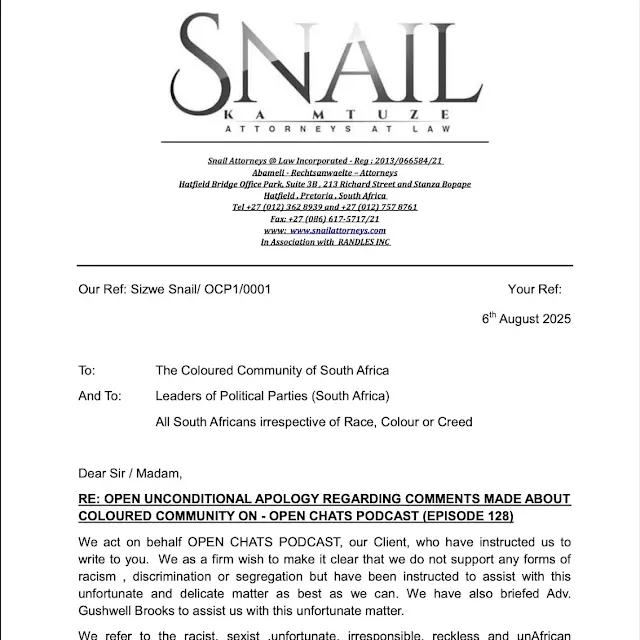
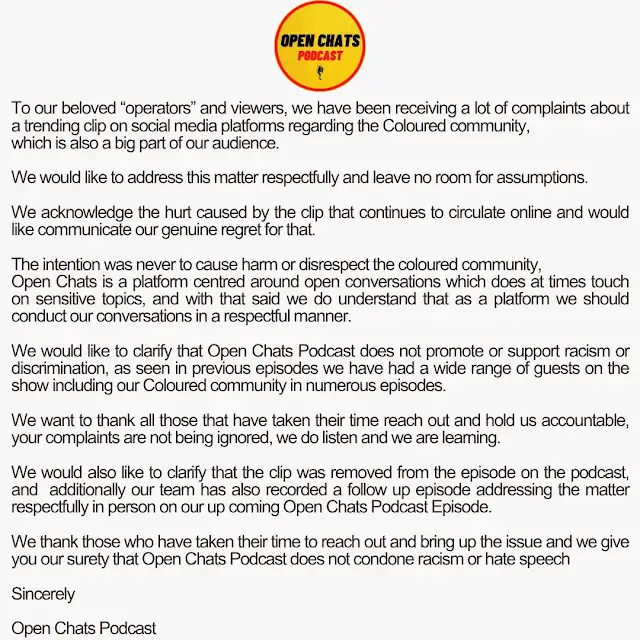
However, civil rights groups and political leaders have rejected the apology, calling it disingenuous and insufficient.
Cape Forum executive chairperson, Heindrich Wyngaard, criticised the apology as “a generic note of regret” lacking true accountability.
“There is no direct admission of wrongdoing, nor any meaningful commitment to reparative action,” he said.
National Leaders, Political Parties Condemn Racism
Prominent voices in government and civil society have also spoken out:
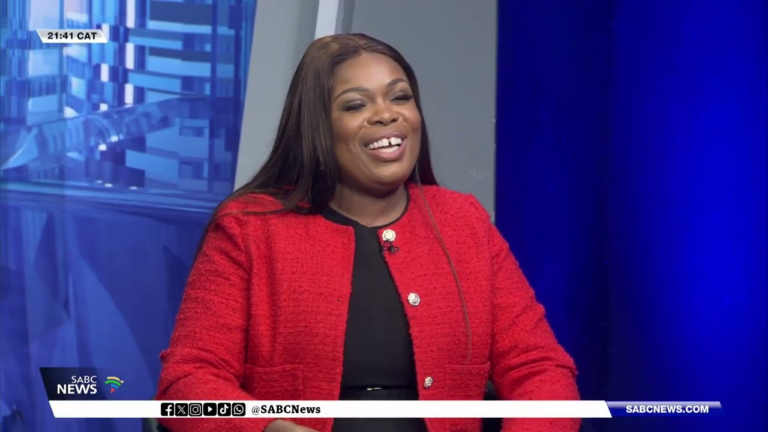
- Deputy Minister Mmapaseka Steve Letsike emphasised the need for podcasts and all media platforms to practice responsible communication:
“We value freedom of expression, but it must be balanced with accountability.”
- The Northern Cape National Coloured Congress labelled the incident a reflection of “deep-seated racism camouflaged as commentary.”
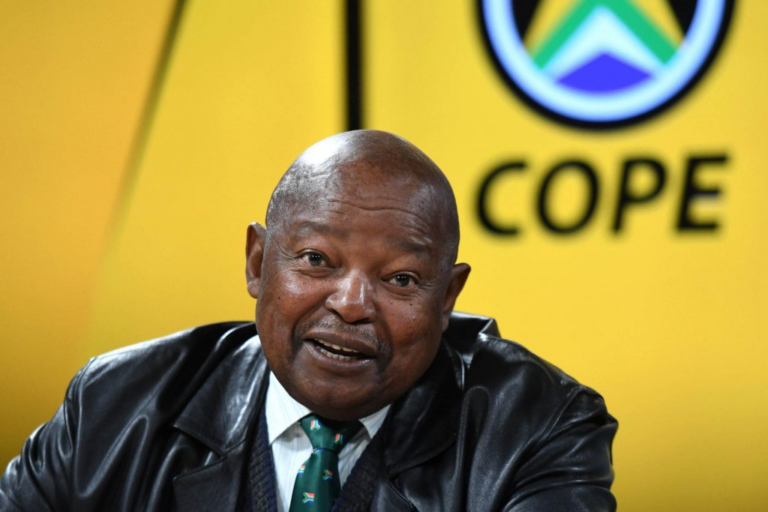
- The Democratic Alliance’s Dr. Ivan Meyer confirmed that the matter has been reported to the South African Human Rights Commission (SAHRC):
“Hate speech and racial stereotyping must never be normalised in a democratic society.”
- The African National Congress also condemned the remarks:
“To generalise and mock an entire community is not only hurtful but a betrayal of our constitutional values.”
Call for Regulatory Reform in the Podcast Space
This incident has reignited debates about regulation in South Africa’s rapidly growing digital content space. While freedom of speech remains a constitutional right, legal experts and civil society are calling for enhanced frameworks to address hate speech and defamation in podcasts, livestreams, and social media broadcasts.
Legal analysts point to a growing need for independent content regulation and public education around respectful discourse in the age of digital media.
As the controversy continues, it raises difficult but necessary questions about the intersection between freedom of speech and social responsibility and the urgent need for collective action to safeguard South Africa’s diverse communities from racial harm.
About the Author

 Viable News Team