
It’s Official, Mzansi: South Africa to Host Its First-Ever Naked Hike And It’s Sparking Conversations Nationwide
 Viable News Team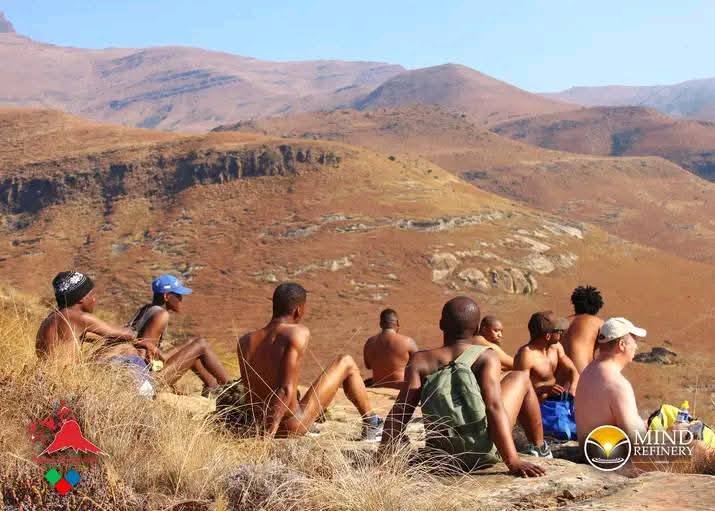
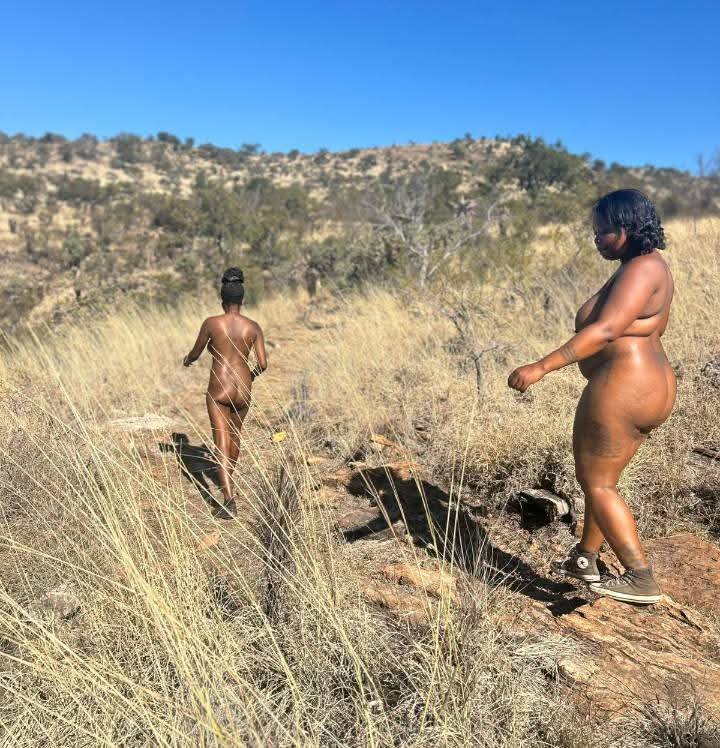
In a bold and unprecedented move, South Africa is set to host its first-ever Naked Hike, an event designed not only to promote naturism but also to raise awareness about one of the country’s most pressing social issues Gender-Based Violence (GBV). Scheduled to take place across public spaces including schools, malls, and taxi ranks, the event is already making waves across social media, sparking both excitement and controversy.

What makes this initiative stand out? It’s not just about walking nude in public. Participants will be compensated R700 per hour and receive a monthly stipend of R25,000, making it one of the most uniquely incentivized social campaigns ever launched in the country.

What is Naturism, and Why a Naked Hike?
Naturism, or nudism, is a lifestyle that encourages living without clothes in social and recreational settings. Far from being purely about shock value, naturism promotes body acceptance, freedom, and a return to nature. Around the world, naturist movements have long been tied to personal liberation and health both mental and physical.
But why pair it with a cause as serious as gender-based violence?
Organizers explain that the hike is symbolic. By baring it all in public spaces, participants aim to strip away societal stigmas around both the human body and the silence surrounding GBV. “We’re walking nude because so many victims feel exposed, vulnerable, and ashamed,” said one of the lead organizers. “This is about reclaiming space and power. It’s a protest as much as it is a movement.”
A Bold Strategy with Bold Incentives
The financial rewards have also raised eyebrows. With R700 paid per hour and a R25,000 monthly stipend, some are questioning how the event is funded and whether it might attract participants for the wrong reasons.
However, organizers defend the remuneration. “This is more than a stunt,” a spokesperson explained. “We’re asking people to make themselves incredibly vulnerable, challenge social norms, and walk into high-risk public spaces unclothed. This stipend reflects the commitment and courage that takes.”
GBV in South Africa: A Crisis That Needs Disruption
South Africa continues to face alarming levels of gender-based violence. Despite numerous campaigns, protests, and government interventions, the statistics remain grim. Traditional awareness programs often fail to penetrate deep-seated societal issues, and activists argue that more disruptive, unconventional methods are needed to break the silence and shift public consciousness.
By using naturism as a protest tool, this event aims to grab attention in a way that billboards and hashtags cannot. “This isn’t just a hike. It’s a message. A cry for help. A challenge to every South African to stop looking away,” said an activist involved in the campaign.
Malls, Schools & Taxi Ranks: Strategic or Scandalous?
Perhaps the most controversial element of the Naked Hike is its planned route, which includes public spaces like schools, malls, and taxi ranks. Critics argue this crosses boundaries and could expose children and unwilling bystanders to nudity, violating public decency laws.
However, organizers insist that all movements will be pre-approved with local authorities and that safety and consent will be at the core of the initiative. “No one will be surprised,” they explain. “We’re notifying communities well in advance, and the hike will happen in strictly monitored environments.”
Still, the question remains: can a naked protest co-exist with public safety and respect for bystander boundaries?
South Africa Reacts: From Applause to Outrage
As expected, Mzansi is divided. Social media platforms are ablaze with debates.
Supporters hail the Naked Hike as “groundbreaking,” “brave,” and “exactly what this country needs.” They argue that it takes something radical to shake people out of apathy and force real conversations.
On the other hand, critics are calling it “inappropriate,” “tone-deaf,” or “an unnecessary spectacle.” Some religious and community leaders have condemned the event as disrespectful to cultural norms, while others worry about the psychological impact on young people.
A Global First?
While nude protests have taken place around the world such as the World Naked Bike Ride or FEMEN demonstrations South Africa’s Naked Hike may be the first of its kind in terms of scale, duration, and financial structure. If successful, it could set a global precedent for how activism, compensation, and social awareness can be combined in new and provocative ways.
Final Thoughts: A Nation Undressed, But Not Unaware
Whether you’re applauding or appalled, one thing is certain: South Africa’s first Naked Hike is making people talk. At its core, it’s not about nudity. It’s about visibility for the human body, for unheard voices, and for victims of gender-based violence who too often suffer in silence.
As Mzansi prepares to witness (or participate in) this unprecedented march, one thing is clear: change doesn’t always wear a uniform and sometimes, it doesn’t wear anything at all.
About the Author



Good day I’ll love to participate on the hicking so very much im huge lover of nature and self love.
Hi Nompumelelo, you can contact Vonks on Twitter/X @Vonks_naturist OR Dr Babalwa Funda Ka Maboza
I like to join
Hi Sandile, you can contact Vonks on Twitter/X @Vonks_naturist OR Dr Babalwa Funda Ka Maboza
I would like to be part of this, how to join
I would like to join
I am interested can you sign me in please