Generations Feud Resurfaces: Cast and Creator Revisit 2014 Mass Firings on Radio
 Viable News Team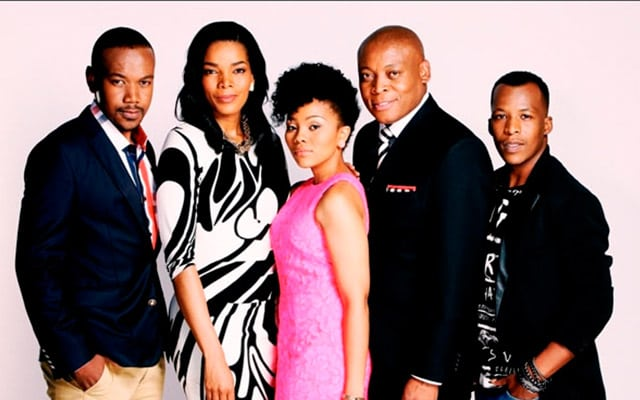
Image Credit: media.soapoperanetwork.com
More than a decade after one of the most controversial moments in South African television history, the 2014 mass dismissal of actors from the hit soap opera Generations has returned to the spotlight following a series of candid radio interviews.
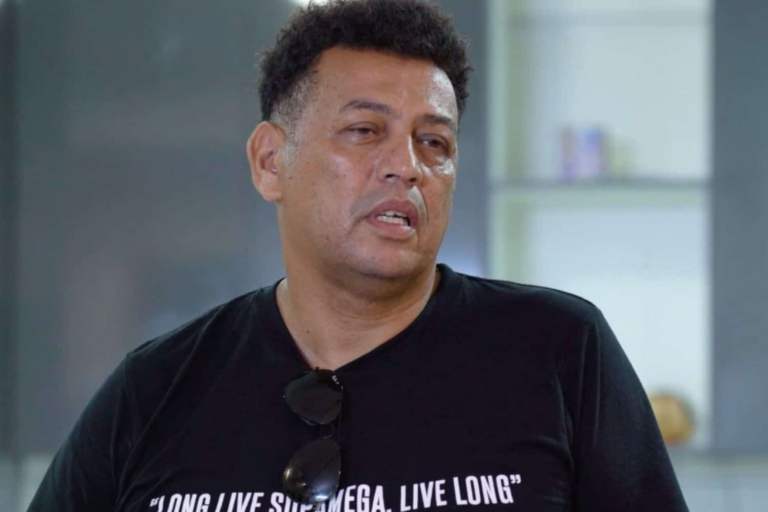
Veteran producer Mfundi Vundla and former cast members Zolisa Xaluva and Zikhona Sodlaka revisited the dramatic fallout during appearances on 947 Drive with Thando Thabethe, reigniting debate about the historic dispute.

The issue has since gone viral on social media, with clips from the interviews circulating widely and sparking fresh discussion about labour rights, contracts and power dynamics in South Africa’s entertainment industry.
The 2014 Generations Strike
The conflict dates back to August 2014, when 16 principal actors from Generations went on strike over pay and working conditions.
The group later dubbed the “Generations 16” included well-known stars such as:
- Sophie Ndaba
- Menzi Ngubane
- Katlego Danke
- Zenande Mfenyana
- Thami Mngqolo
- Seputla Sebogodi
- Zolisa Xaluva
The actors demanded salary increases, longer-term contracts and royalties for repeat broadcasts of the show.
At the time, Vundla whose production company Morula Pictures / MMSV Productions produced the series issued an ultimatum for the actors to return to work. When they refused, all 16 were dismissed.
The move forced the long-running soap, which aired on the South African Broadcasting Corporation (SABC), into a temporary hiatus.

The show later returned in late 2014 under a new title, Generations: The Legacy, featuring a revamped storyline and a largely new cast.
Vundla Breaks His Silence
Now aged 80, Vundla recently addressed the dispute publicly during his interview on 947.
He described Generations as his “baby” and said the decision to dismiss the actors was one of the most difficult moments of his career.
According to Vundla, one of the main points of contention royalties from repeat broadcasts was tied to the contract between his production company and the SABC, rather than a decision he could make independently.
“My contract with the SABC did not cover paying royalties to actors for repeats,” he said in the interview.
Vundla explained that the strike left the production scrambling to meet broadcast deadlines, forcing the team to rewrite scripts, rebuild storylines and cast new actors resulting in significant financial losses.
Actors Respond to the Producer
Shortly after Vundla’s interview aired, actors Zolisa Xaluva and Zikhona Sodlaka appeared on the same show to respond.
The two rejected the idea that the dispute was simply about repeat royalties, arguing that deeper issues were involved.
They said the actors had raised concerns about working conditions, contract terms and broader industry practices affecting performers in South Africa’s television sector.
“It was never just about royalties,” they explained, adding that the actors believed they were pushing for fair treatment in an industry where many performers lack long-term security.
They also acknowledged that the SABC played a central role in determining how repeat fees were handled.
Mzansi Still Divided
The renewed debate has sparked mixed reactions among fans of the iconic soap.
Some listeners praised Vundla for protecting a show he created in 1994, which became one of South Africa’s most watched television programmes.
Others expressed sympathy for the actors, arguing that the dispute highlighted longstanding concerns about how performers are compensated in the local entertainment industry.

Many longtime viewers still believe the show lost something when the original cast departed.
A Soap Opera Beyond the Screen
More than 12 years after the dispute, the saga continues to generate headlines and heated debate.
Clips from the radio interviews have been widely shared across platforms such as Instagram, YouTube, Facebook and X, bringing the story to a new generation of viewers.
For fans of Generations, the irony is hard to ignore the real-life drama surrounding the soap has become almost as gripping as the storylines that once played out on screen.
About the Author