Gauteng Premier Lesufi Pledges 20 million-Litre Water Storage Facility to Tackle Midrand Water Crisis
 Evident Makatwane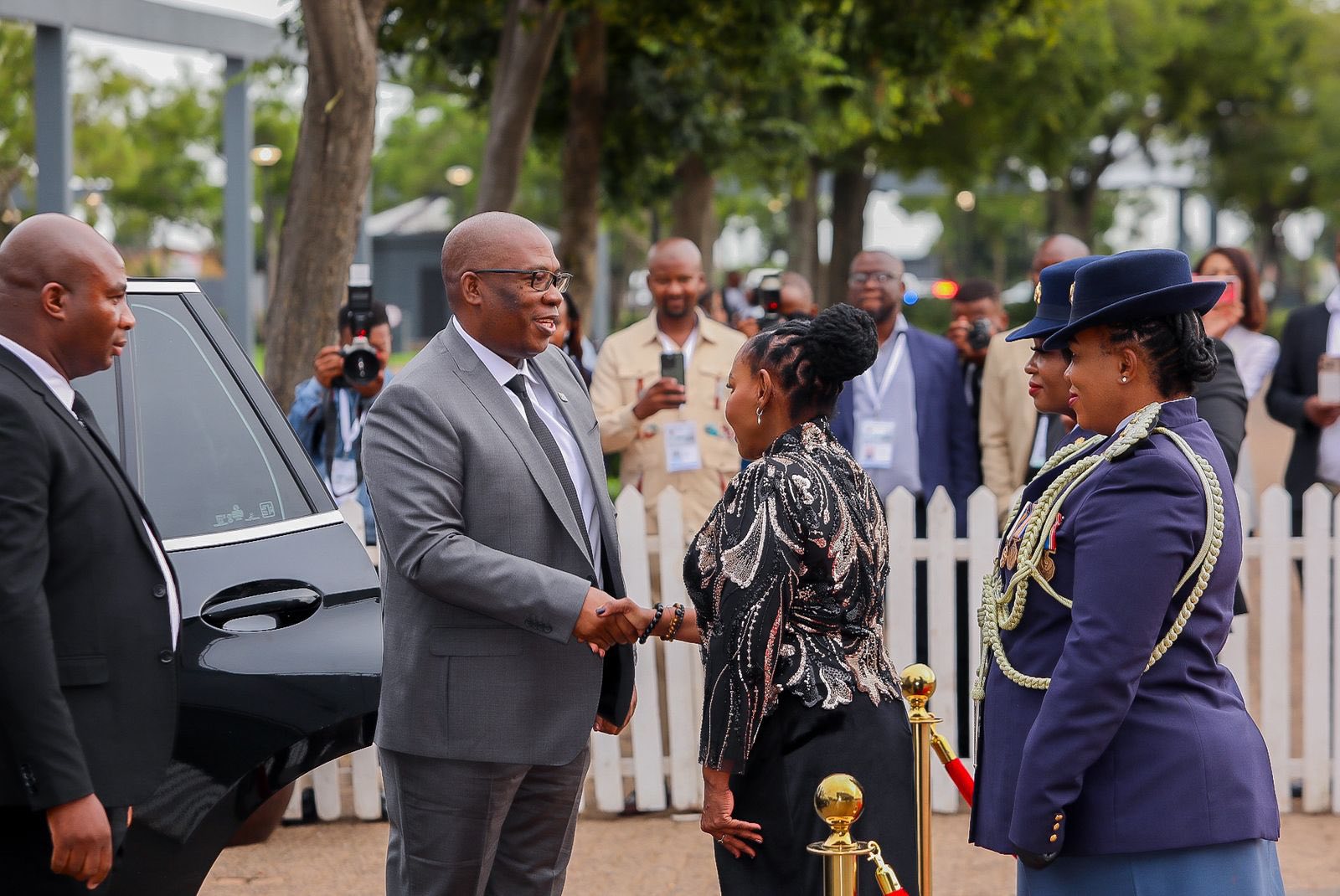
Gauteng Premiere Panyaza Lesufi at Nasrec Expo Centre | SOPA 2026 Image Credit: Gauteng Provincial Government (GPG)
Gauteng Premier Panyaza Lesufi has unveiled bold new infrastructure plans to address the ongoing water supply challenges in the province, with a specific focus on the Midrand water crisis that has left many residents without reliable access to running water in recent weeks. Speaking during his 2026 State of the Province Address (SOPA), Lesufi outlined a long-term strategy that includes the construction of a 20 million-litre water storage facility in Midrand, backed by a 10 million-litre private sector donation to bolster capacity.
The Premier also reiterated that a 5-kilometre pipeline, forming part of the province’s broader water infrastructure upgrades, is expected to be completed by the end of 2026, reinforcing efforts to stabilise supply and reduce the frequency of dry taps.
Infrastructure Failures Trigger Water Shortages
Gauteng’s water woes intensified in late January 2026 after a series of infrastructural failures at key Rand Water facilities resulted in reduced water supply to municipal systems. Major disruptions at the Palmiet and Zuikerbosch pump stations, together with a burst pipe at the Klipfontein reservoir, reduced treated water flows to municipalities across the province, depleting many municipal storage reservoirs.
To help stabilise the situation, Water and Sanitation Minister Pemmy Majodina authorised additional water abstraction from the Integrated Vaal River System, allowing Rand Water to extract more water temporarily to aid the recovery of reservoir levels.
Lesufi’s Infrastructure Response
During SOPA, Lesufi explained that infrastructure failures rather than a lack of raw water caused most of the supply interruptions. In response, a R760 million infrastructure upgrade programme is underway in Johannesburg, which includes:
- A new ground reservoir and water tower in Brixton, expected to come online soon.
- An emergency booster pumping station to improve distribution.
- The 5 km pipeline project, set for completion by late 2026.
- The 20 million-litre water storage facility in Midrand, with an additional 10 million litres donated by private developers.
These measures are designed to expand storage capacity, strengthen system resilience, and reduce risks of future shortages.
Public Backlash and Higher Expectations
The Midrand crisis has sparked frustration among residents, prompting vocal criticism of government responsiveness. Lesufi himself faced social media backlash after remarks about hotel showers during the water shortages went viral, forcing him to publicly apologise and acknowledge the hardships faced by affected communities.
Despite the criticism, provincial authorities maintain that progress is being made and that infrastructure investments will deliver lasting improvements to water security across Gauteng.
Critics, including leaders from opposition parties, have pointed to deeper issues within municipal water management, arguing that billions of litres of revenue are lost annually due to leaks, ageing infrastructure and financial mismanagement a situation that undermines major infrastructure investments.
Looking Ahead to Long-Term Solutions
While emergency measures like increased abstraction and pressure management are helping stabilise water supply, long-term fixes will likely require sustained investment, improved municipal governance and continued partnerships between government and private contributors.
Lesufi’s plans, combined with national support and private sector cooperation, aim to ensure that residents in Midrand and across Gauteng can look forward to a more reliable and resilient water supply system in the years ahead.
About the Author

 Viable News Team