Ford, Nissan, and Citroën Announce Vehicle Recalls Over Potential Safety Defects
 Viable News Team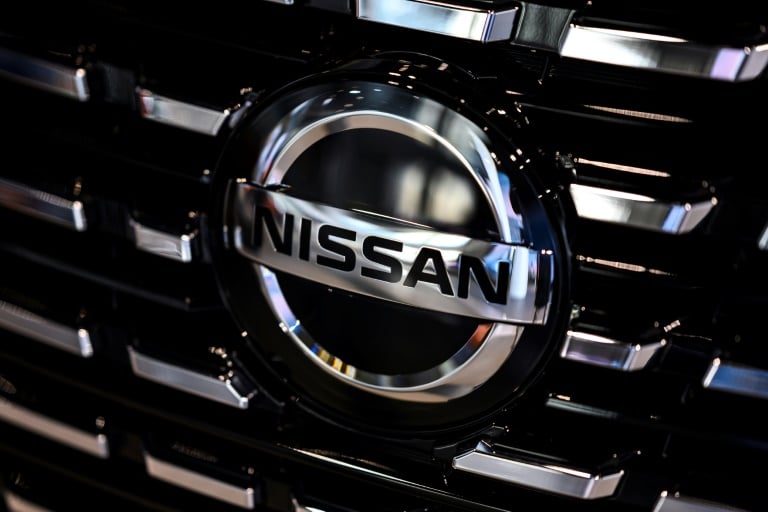
Johannesburg, South Africa — Several major automotive manufacturers have announced recalls of multiple vehicle models sold in South Africa, following the discovery of potentially dangerous defects. Ford, Nissan, and Citroën have all confirmed the voluntary recalls, and the National Consumer Commission (NCC) is now involved in overseeing the process to ensure consumer protection.
Ford South Africa has begun recalling four of its models the Mustang, Everest, Ranger, and EcoSport after identifying undisclosed safety-related issues. Although the exact nature of the problems has not been made public, the manufacturer has acknowledged that the defects are serious enough to warrant urgent attention. The company is expected to reach out to customers directly, encouraging them to bring in affected vehicles for inspection and necessary repairs.
Nissan, meanwhile, is recalling units of its popular Qashqai SUV. This recall is limited to vehicles sold between September 2021 and April 2024. While Nissan has not officially disclosed the specific fault, the decision appears to be in line with international safety standards, and steps are being taken to ensure all affected customers are contacted. The Qashqai has been one of the brand’s most successful models locally, and this recall could potentially affect a large number of owners.
Citroën has also issued a recall, targeting older models sold between 2009 and 2016. The affected vehicles include the C4, DS4, and DS5. While these models are no longer in production, many remain on the roads and in the second-hand vehicle market. This move reflects concerns about aging components that may present safety hazards as the vehicles continue to be driven. Past international recalls involving Citroën have included issues related to airbag inflators and braking systems, which may give some indication of the possible problems now being addressed.
In an interview with eNCA, Prudence Moilwa, who heads the Complaints and Investigations division at the National Consumer Commission, confirmed that the recalls had been brought to the commission’s attention. She stressed that consumer safety is of utmost importance and said the Commission is closely monitoring the situation. Moilwa praised the manufacturers for acting swiftly and responsibly, but also reminded consumers to act just as quickly in having their vehicles checked.
According to the Consumer Protection Act, manufacturers are legally obliged to inform the public when a defect is discovered, and must provide a remedy free of charge. In all three cases, inspections and repairs will be carried out at no cost to the vehicle owner. Consumers are urged to get in touch with their respective dealerships to confirm whether their vehicle is affected and to book the necessary appointments as soon as possible.
These recalls are part of a growing trend in the global auto industry, where increasingly complex vehicles are being subjected to ever more rigorous safety standards. As cars become more reliant on advanced electronics and software systems, the potential for defects and the need for swift manufacturer responses continues to rise. While such recalls can cause inconvenience to car owners, they are often essential in preventing more serious accidents or malfunctions on the road.
The National Consumer Commission will continue to work alongside manufacturers to ensure full compliance with recall protocols and to safeguard public interests. Consumers who experience delays or complications in the recall process are encouraged to lodge complaints directly with the Commission for further support.
This latest series of recalls serves as a reminder that even well-established and reputable brands are not immune to manufacturing faults. It also underlines the importance of robust regulatory oversight in the automotive sector, where even minor defects can have major consequences. For now, affected vehicle owners are advised to remain alert, act quickly, and prioritize their safety by ensuring their cars are checked and repaired without delay.
About the Author