Equatorial Guinea President’s Nephew Sentenced Amid Scandal
 Viable News Team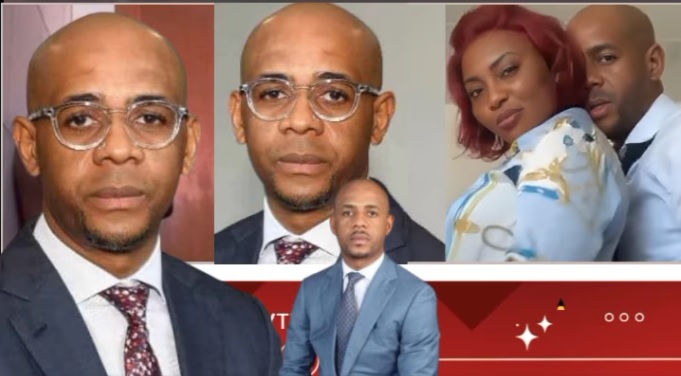
Baltasar Ebang Engonga, a senior Equatorial Guinean official and nephew of President Teodoro Obiang Nguema, has been sentenced to eight years in prison for embezzlement, following a trial that has reignited debate over corruption, power struggles, and political succession in the oil-rich central African nation.
Engonga, nicknamed “Bello” for his appearance, previously served as the head of the National Financial Investigation Agency, a role meant to tackle financial crimes such as money laundering. Instead, the court found that he diverted significant public funds for personal use. According to AFP, the tribunal also imposed a fine of $220,000, with five other officials convicted alongside him for falsely claiming large travel allowances ranging between $9,000 and $220,000.
A Scandal That Shook the Political Elite

Beyond the corruption charges, Engonga became infamous last year after dozens of explicit videos surfaced online, showing him with various women, including relatives and spouses of prominent figures close to power. The sex tape leak coincided with his detention in 2024, fueling speculation that it was part of a calculated political takedown to end his alleged presidential ambitions.
The videos’ authenticity was never independently verified. However, suspicion arose because the leaks occurred shortly after security forces confiscated his phones and computers. Analysts suggested the release may have been orchestrated internally to publicly discredit him.
Political Undercurrents
President Obiang, in power since 1979, is the world’s longest-serving head of state. He has appointed his son, Teodoro Nguema Obiang Mangue, as vice-president, sparking speculation that succession within the Obiang family is tightly controlled. Engonga’s fall from grace was widely interpreted as eliminating a potential rival in the line of succession.

His imprisonment in the notorious Black Beach prison in Malabo marked a striking reversal for a man once tasked with policing financial misconduct.
A Nation Grappling With Corruption
Equatorial Guinea, despite its vast oil wealth, continues to face deep-rooted corruption challenges. Transparency International has long ranked the country among the world’s most opaque states in terms of governance and financial accountability.
The sentencing of Engonga, while framed as a corruption crackdown, has left many citizens and observers questioning whether it represents genuine reform or another chapter in the country’s long history of politically motivated prosecutions.
About the Author