“Declared an Enemy” The Clash Between Tradition, Critique, and Power in the Zulu Kingdom
 Viable News Team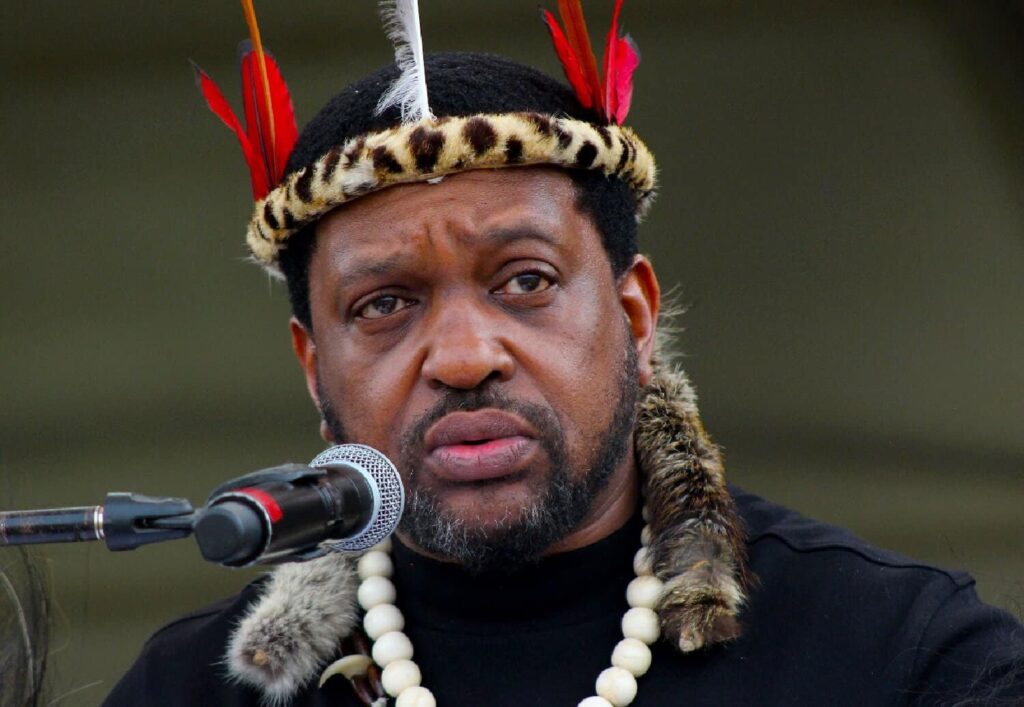
In the heart of KwaZulu-Natal, at the annual Reed Dance festival this past weekend, a dramatic confrontation unfolded between two prominent figures: Cultural expert Professor Musa Xulu and King Misuzulu kaZwelithini. What began as criticism over a venue change for a traditional ceremony turned into a public denunciation, accusations of disloyalty, and even fear for personal safety.

The Spark: Reed Dance Relocation & Heritage Infrastructure
Traditionally, the Reed Dance has been held at the Enyokeni Royal Palace in Nongoma, where an amphitheatre costing R140 million has recently been completed. This was an initiative that the late King Zwelithini requested, specifically to host the Reed Dance. IOL+1
Professor Musa Xulu spoke out earlier, on public television, questioning the decision to abandon the newly built infrastructure and move the event instead to eMashobeni Palace. From his perspective, the structure at Enyokeni represented a legacy project, a symbol of respect for tradition and a significant public investment.
The King’s Response: “Enemy of the Zulu Nation”
King Misuzulu kaZwelithini reacted swiftly and sharply. At the Reed Dance, standing before thousands of maidens and amabutho (warriors), he characterized Professor Xulu as “umquba” essentially, a “useless person” resisting the king’s reign.
He explicitly warned the public broadcaster and the media to stop relying on Xulu for commentary on royal matters, saying that those who insult him insult the Zulu nation itself. He also challenged Xulu to a stick fight a traditional form of confrontation and discipline suggesting that this was a symbolic way of calling him to account. Sunday Tribune+2TimesLIVE+2

Musa Xulu Speaks Back Fears and Accusations
In response, Professor Xulu said he fears for his life. He interprets the King’s public denunciation as an incitement, particularly given the historical and cultural weight of amabutho, the traditional Zulu regiments. He claims that being declared an enemy of the nation is essentially a mandate that it encourages aggression against him. IOL+1
Xulu insists his comments were academic critique, not personal attacks, and argues that in a democracy or a society valuing free speech, criticism of leadership even traditional authority should be met with counter‑arguments, not denunciations. He sees a boundary crossed when critique becomes framed as betrayal. IOL+1

Cultural Stakes & Broader Conflicts
This clash is not just personal. It touches on deep, contested issues in Zulu culture and South African society:
- Tradition vs Modern Administration – Who gets to define what is “proper” in cultural ceremonies? When infrastructure is funded with public money, is it acceptable to discard or bypass it? The decision to change venue raises practical, symbolic, and fiscal questions.
- Authority, Criticism, and Freedom of Expression – In many traditional systems, questioning authority can be seen as disrespect. But modern values of openness demand a space for critique. Xulu’s position as a cultural expert means he often comments on royal and cultural affairs. The King seems to believe that such commentary should align with loyalty, not critique.
- Security and Incitement Risk – When a king publicly labels someone an “enemy of the nation,” especially in front of large traditional gatherings including armed regiments (amabutho), there is real potential for escalation. Speech, especially from a figure of high authority, carries power and risk.
- Symbolism of Venue – The Enyokeni Palace is more than a location; it’s a cultural site with a legacy linked to Zulu identity. Moving the Reed Dance elsewhere, especially when expensive infrastructure has just been erected there, can be seen as a break from tradition, an erasure, or mismanagement.
- Media’s Role – The media, by interviewing Xulu, becomes part of the conflict. The King’s admonition to avoid Xulu in royal commentary and favour other professors signals an attempt to shape narrative access. Who is allowed to interpret culture, tradition, and royal authority becomes a contested matter.

Possible Paths Forward
To prevent this conflict from spiraling further, several things might help:
- Dialogue and Mediation: An independent mediation between the King’s advisers, Professor Xulu, and perhaps representatives of amabutho and the community might clarify misunderstandings and reduce personal risk.
- Clear Protocols for Criticism: Defining what constitutes acceptable public critique of the monarchy, and how traditional leaders might respond to it, could reduce ambiguity.
- Protection of Freedoms: Ensuring that expression — especially academic or cultural critique — is protected, so that experts can speak without fear of physical reprisal or intimidation.
- Respecting Public Investments: Wherever public funds are used, transparency and accountability are required. Changes in plan should be publicly justified, especially when cost and cultural heritage are involved.
- Cultural Sensitivity & Mutual Respect: Both sides respecting what matters to the other. To the King, loyalty, tradition, respect. To Xulu, accuracy, accountability, academic freedom.
Conclusion: When Culture, Power & Critique Collide
What we are seeing in this episode is more than a personal feud. It’s a microcosm of tensions that many societies with traditional leadership face: how to preserve heritage, while ensuring leadership is held accountable; how to allow critique without threatening cohesion; how to ensure that tradition isn’t used to suppress dissent.
Professor Musa Xulu’s fear for his life is a serious symptom of what happens when critique is conflated with betrayal. The King’s reaction suggests that in his view, loyalty and respect are inseparable from legitimacy. But for lasting strength, traditional institutions may need to embrace critique as part of their evolution.
In the end, this episode could be an opportunity: to reinforce robust tradition, where respect doesn’t silence argument, and to reimagine leadership that can be firm yet open to dialogue. The Reed Dance may continue year after year, but how it’s staged physically, symbolically, and politically may be at the heart of a shifting landscape in Zulu identity and South African tradition.

About the Author