Babita Deokaran: A Whistleblower’s Legacy and a Nation’s Unfinished Battle Against Corruption
 Viable News Team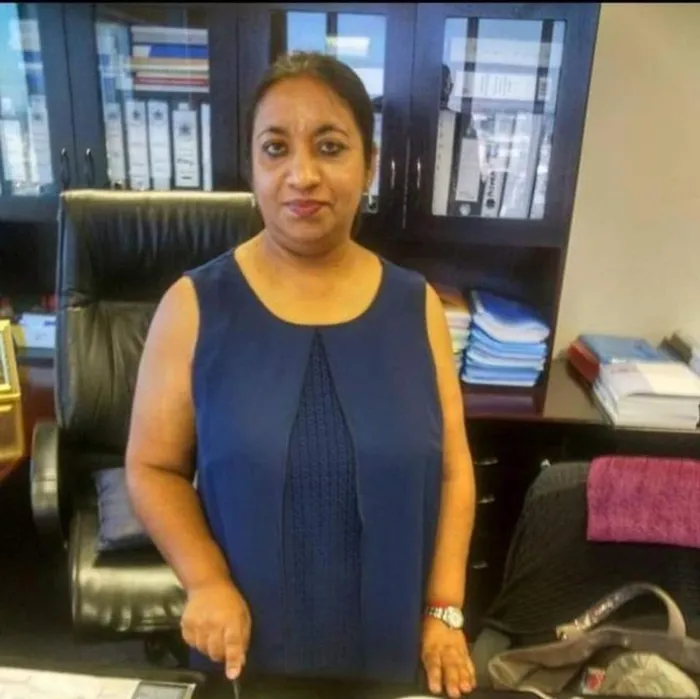
By [Your Name]
Johannesburg – August 2025
Four years have passed since Babita Deokaran was gunned down in front of her home in Johannesburg a brutal assassination that shook the country to its core. But time has not dulled the pain, nor has it silenced the questions. Who ordered her murder? Why hasn’t the mastermind been brought to justice? And how deep does the rot she uncovered truly go?
What began as a shocking killing of a civil servant in August 2021 has since unraveled into one of South Africa’s most explosive corruption sagas a story marked by courage, greed, and a tragic cost paid in blood.
A Life of Service, A Death That Raised the Alarm
Babita Deokaran was not a household name until she became a martyr in the war against corruption. A senior official at the Gauteng Department of Health, Deokaran was known among her peers as dedicated, principled, and quietly determined. Her job often placed her at the heart of financial oversight, including the vetting of suspicious payments.
It was this role that placed her squarely in danger.
When Deokaran began raising red flags about suspicious transactions at Tembisa Hospital one of the province’s busiest and most under-resourced institutions few could have imagined the price she would pay. Her murder outside her Winchester Hills home was initially described as a possible hijacking. But investigators quickly realized this was no random act.
This was a hit.
Tembisa Hospital: A Nexus of Corruption
Following Deokaran’s death, the corruption she had been trying to expose was finally dragged into the daylight. What emerged was a web of fraud, front companies, inflated invoices, and bogus contracts involving tens of millions of rands.
The numbers were staggering. Suppliers linked to politically connected individuals were allegedly paid for goods and services that were never delivered or billed at outrageous prices. Despite the hospital’s dire needs, funds were being siphoned away in plain sight.
And yet, until her death, few inside the system dared to speak.
Her warnings to her superiors about these irregularities, now well-documented, were ignored or dismissed. The investigation that followed her assassination became not just a hunt for killers but an audit of institutional silence.
Six Men, One Missing Mastermind
Within months of the murder, six men were arrested, tried, and convicted for their roles in carrying out the hit. The suspects, reportedly hired assassins, were traced through forensic evidence and phone records. Their conviction brought a sliver of relief to Deokaran’s grieving family and a public hungry for justice.
But the most important question remains unanswered: Who gave the order?
To date, no mastermind has been arrested. The Hawks, South Africa’s elite crime-fighting unit, have confirmed that the investigation remains open. They say suspects have been identified allegedly individuals with both motive and means to silence Deokaran. But arrests remain elusive, and critics argue that justice delayed is justice denied.
“There can be no closure until the person or people who planned this murder are behind bars,” said one family spokesperson during a memorial service earlier this year. “Babita was not just a whistleblower. She was a mother, a daughter, and a patriot.”
A Symbol of Integrity
In the years since her murder, Deokaran has become a symbol of integrity in a country still battling endemic corruption. Memorials have been held in her name. Anti-corruption bodies have cited her as a hero. A school in her hometown now bears her name, and civil society groups have used her story as a rallying cry for reform.
But symbols are not enough. Activists argue that for Deokaran’s legacy to truly live on, South Africa’s institutions must do more than mourn her they must protect those who follow in her footsteps.
“The failure to arrest the masterminds sends a chilling message to other whistleblowers,” says anti-corruption advocate Ferial Haffejee. “That speaking out can get you killed and that power still protects its own.”
Whistleblower Protection: Still a Work in Progress
Deokaran’s murder exposed not just corruption in public health procurement, but also the vulnerability of those who speak up. Despite promises by government officials to enhance protections for whistleblowers, little progress has been made.
Many who witness corruption in their workplaces still fear for their safety. Some go underground. Others flee the country. In the wake of Deokaran’s killing, a few civil servants even resigned, citing fears for their lives.
“The environment is toxic,” says one Gauteng official, speaking anonymously. “After what happened to Babita, everyone is more careful. More quiet. The message was loud and clear.”
A Nation Watches and Waits
As South Africa marks the fourth anniversary of Babita Deokaran’s death, the haunting questions still echo: Who wanted her dead? And why is the truth taking so long to emerge?
For her family, each day without answers is another wound. For the public, the delay is a test of faith in the justice system. And for those still working within the machinery of the state, Deokaran’s fate is a warning—and a challenge.
Because corruption is not faceless. It has fingerprints, bank accounts, and beneficiaries. And as Deokaran showed through her actions, even in a flawed system, one person can make a difference.
But doing so shouldn’t cost a life.
In Her Own Words
Before her death, Deokaran had warned colleagues about her safety. She knew she was being followed. She asked for protection. It never came.
Today, her courage speaks louder than ever but the justice she deserves remains unfinished.
About the Author