B R Hlambela
On 4 November 2025, it was reported that controversial South African businessman Brown Mogotsi survived an attempt on his life at Vosloorus when four men opened fire on his car.
This incident adds another dramatic chapter to Mogotsi’s already-high-profile entanglement in allegations of corruption, political interference and state security leaks.
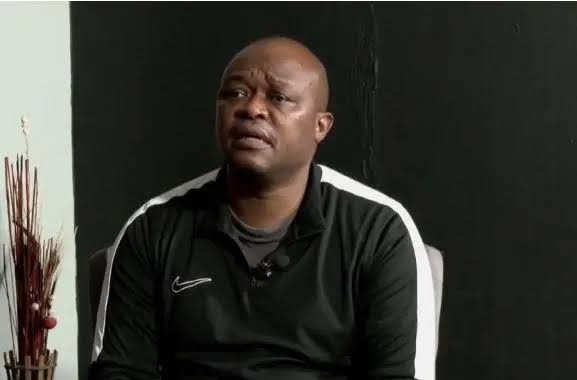
Image credit to Citizen
Brown Mogotsi is a businessman from North West province in South Africa, whose name has surfaced in investigations involving alleged corruption, access to classified police documents, and political ties.
He has a criminal record, including convictions for assault with intent to cause grievous bodily harm, defeating the ends of justice and reckless driving.
He is implicated in communications that suggest he had direct contact with a senior police official, Shadrack Sibiya, and may have facilitated the movement of sensitive case-dockets from a specialised investigative unit to another office.
The scandal surrounds not only Mogotsi’s personal conduct but also the integrity of policing and investigating politically motivated killings in South Africa.
Given this context, the attempt on his life becomes more than a personal attack—it connects to broader issues of power, corruption and accountability.
on 4 November 2025 Mogotsi was driving in Vosloorus when four armed men opened fire on his vehicle.
He survived the attack.
The attack took place in a public setting, indicating boldness and perhaps significant motive behind the hit.
Mogotsi has previously claimed he “fears for his life”, especially following a police raid on his business premises in Mahikeng. the attack comes amid heightened scrutiny of his activities, the investigations of the Madlanga Commission of Inquiry into corruption and political interference, and police raids on his premises.
Attempted hit on someone deeply embedded in alleged corruption networks underscores the danger surrounding South Africa’s politics and crime nexus.
If investigations become life-threatening, whistle-blowers and investigators may be deterred.
Mogotsi is alleged to have been involved in redirecting case-dockets away from a specialised task team investigating politically linked killings to other offices. Current Affairs ZA If the attempt on his life is connected to those operations, the ramifications for oversight and accountability are huge.
It raises questions about whether investigations are independent, whether powerful figures can manipulate law-enforcement, and whether there is real protection for those involved in exposing wrongdoing.
While no official motive has been publicly confirmed, some likely factors include silencing or intimidation.
If Mogotsi poses a risk of exposing others he has threatened to “name other people” involved in alleged payments from businessman Vusimuzi Cat Matlala” then attacking him may serve to suppress info.
Given his alleged involvement in powerful networks, someone may be retaliating for lost access, threatened contracts or leaked information.
Power-struggle the redirection of case-dockets, police raids, public exposure—all suggest competing interests within law-enforcement, business, and politics.
The hit might reflect that clash.
Key developments to monitor Mogotsi will be officially recognised by the police as a protected witness, or will his claim of fear not be taken seriously?
Will the police or prosecuting authority link the attack to his contested business/political activities?
A proper investigation could reveal more suspects and motives.
Will the allegations about Mogotsi’s involvement in leaks, political interference and police corruption be pursued further with independent oversight?
How will the South African Police Service respond to the attack—will there be transparency, or will the case disappear into bureaucracy?
Will this attack affect the work of the Madlanga Commission or slow down investigations into politically-linked killings?
The attack on Brown Mogotsi is a worrying intersection of business, politics, crime and state security in South Africa.
It highlights how deeply these spheres are intertwined and how risk-laden it is for anyone who finds themselves at the centre.
For justice, accountability and public confidence in institutions, the response—and the transparency of that response—will matter immensely.
About the Author


 Viable News Team