Amazon Kuiper leads, Elon Musk’s Starlink falls behind
 Evident Makatwane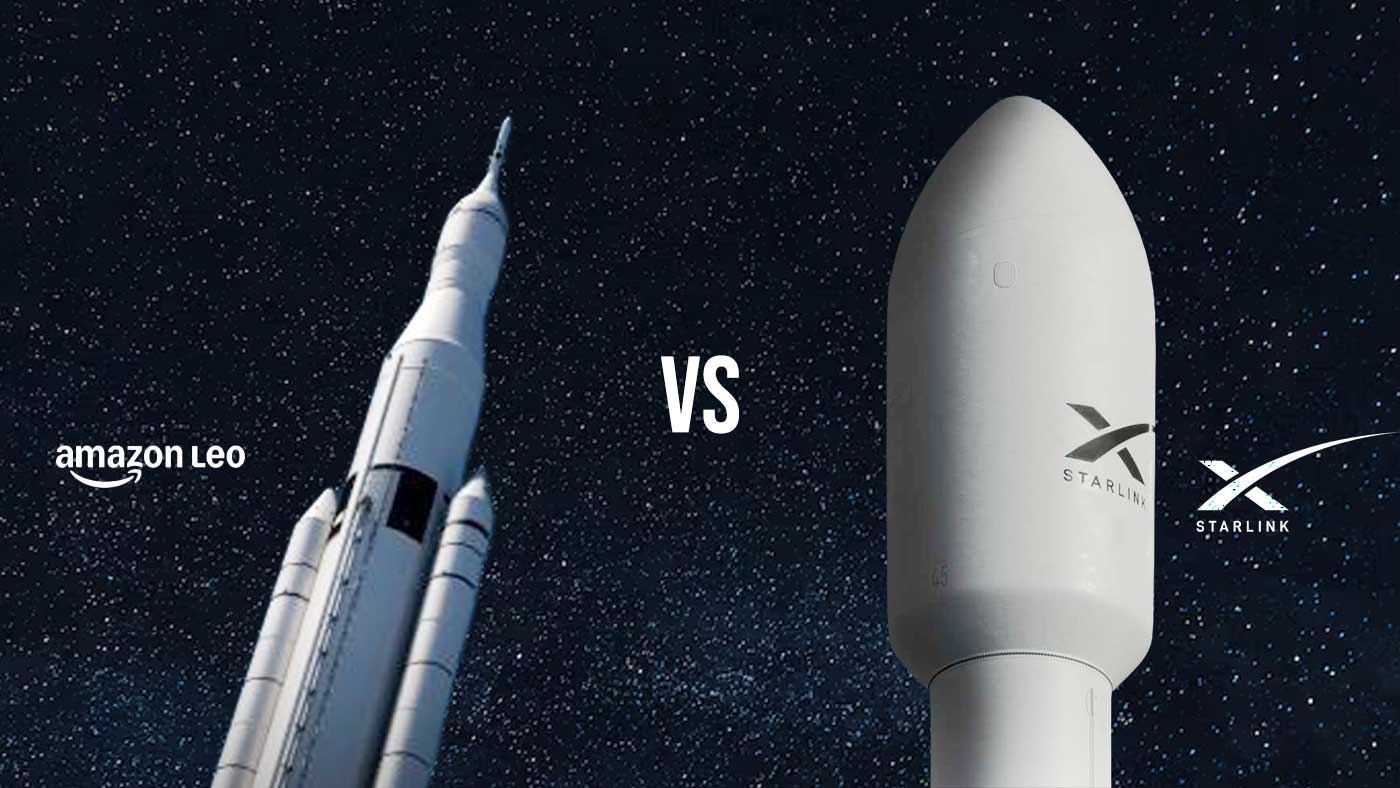
The race to dominate satellite internet in Africa is intensifying as Amazon accelerates the rollout of its low-Earth orbit satellite network, Project Kuiper (now referred to in some deployments as Amazon LEO). The initiative is positioning itself as a strong competitor to Starlink, especially in regions where regulatory hurdles have slowed Starlink’s expansion.
With partnerships across telecom operators and rural connectivity providers, Amazon is moving quickly to bring high-speed satellite internet to underserved communities in Southern Africa and other parts of the continent.
Amazon Targets Rural Connectivity in Africa
Amazon’s satellite initiative aims to deliver high-speed broadband to areas where traditional fibre infrastructure is difficult or too expensive to build. The system relies on thousands of low-Earth orbit (LEO) satellites that provide faster speeds and lower latency compared with older satellite technologies.
The company has already deployed more than 200 satellites as part of the growing constellation, with thousands more planned in the coming years to expand global coverage.
Through these satellites, telecom operators can connect remote mobile towers and provide internet access to communities that previously had little or no connectivity.
This strategy could significantly reduce the digital divide across Africa, where many rural areas still struggle with limited internet infrastructure.
Vodacom Partnership with Amazon Leo Expands Satellite Coverage
One of the biggest developments in the satellite connectivity race came when Vodacom announced a strategic agreement with Amazon’s satellite network.
Under the partnership, Amazon’s satellites will provide high capacity backhaul connectivity to Vodacom’s mobile towers, helping expand 4G and 5G services to remote areas across Africa and Europe.
The satellite links are expected to deliver download speeds of up to 1 Gbps and upload speeds of 400 Mbps, enabling telecom operators to deploy reliable connectivity without installing expensive fibre cables across difficult terrain.
According to Vodacom CEO Shameel Joosub, the partnership will allow the company to quickly extend mobile connectivity to isolated regions across the continent.
Vodacom plans to initially test the technology in Europe before gradually expanding deployment across Africa through its regional operations.
Vanu Inc Partnership with Amazon Kuiper Focuses on Rural Southern Africa
Amazon is also collaborating with Vanu Inc, a company known for providing mobile infrastructure solutions in underserved regions.
The partnership aims to integrate Amazon’s satellite connectivity with Vanu’s “Coverage-as-a-Service” infrastructure, helping mobile operators deliver affordable broadband to rural communities in Southern Africa.
The initiative will focus on areas where traditional telecom infrastructure is economically unviable or geographically challenging.
Starlink Faces Regulatory Challenges in South Africa
While SpaceX’s Starlink has already expanded rapidly across multiple African countries, its rollout in South Africa has faced regulatory challenges, particularly regarding licensing and compliance with local telecom regulations overseen by Independent Communications Authority of South Africa (ICASA).
These regulatory hurdles have created an opportunity for competitors such as Amazon to position themselves as early infrastructure partners with established telecom operators on the continent.
Satellite Internet Could Transform Africa’s Digital Economy
Industry experts believe satellite broadband will play a critical role in Africa’s digital future.
In many parts of the continent, laying fibre cables across remote terrain can be prohibitively expensive. Satellite connectivity offers a faster and more flexible solution for delivering internet access to schools, healthcare facilities, farms and businesses in rural communities.
By connecting mobile towers through satellite backhaul rather than traditional fibre networks, telecom operators can rapidly expand coverage while reducing infrastructure costs.
If successful, Amazon’s Project Kuiper could dramatically increase internet access across Africa, helping millions of people participate in the digital economy.
Growing Competition in the Satellite Internet Market
The battle for satellite internet dominance is only beginning. With companies like Amazon, SpaceX, and other telecom innovators investing heavily in low-Earth orbit satellite networks, competition is expected to accelerate over the next decade.
For consumers and businesses across Africa, this growing competition could ultimately lead to faster internet speeds, broader coverage and more affordable connectivity options.
As satellite constellations continue expanding, rural communities that were once disconnected may soon gain access to the same digital services available in major cities.
About the Author


 Viable News Team