AKA’s Father Slams Commission Over Broadcast of Murder Footage
 Viable News Team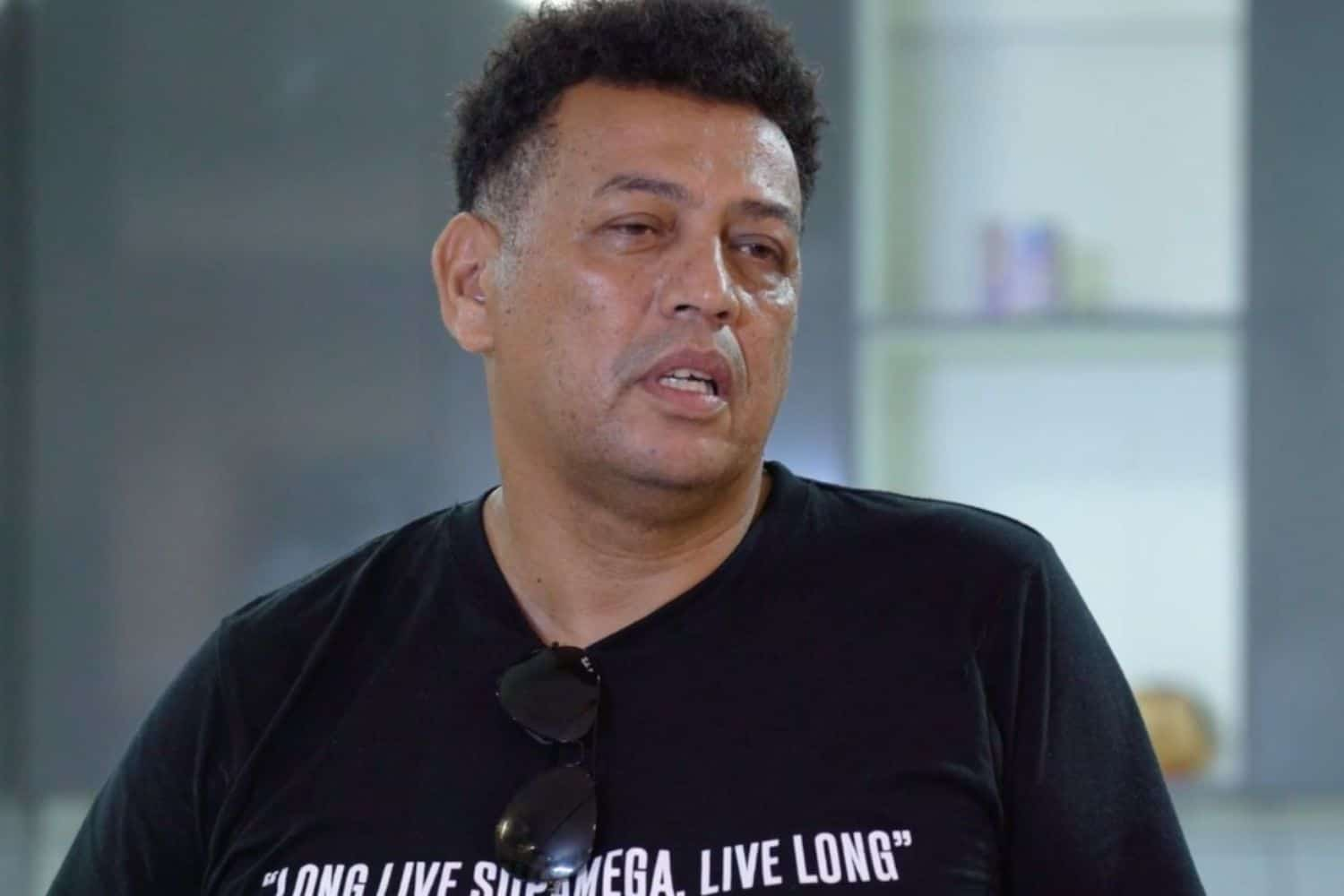
The father of slain rapper AKA has criticised the decision to broadcast footage of his son’s killing during proceedings at the Madlanga Commission of Inquiry, describing it as deeply insensitive and traumatic for the family.
The father of slain South African rap star Kiernan “AKA” Forbes has slammed the Madlanga Commission for airing footage of his son’s killing. The Commission showed footage depicting the murder of AKA last Friday during the testimony of Sergeant Fannie Nkosi. #eNCA #DStv403 pic.twitter.com/BpdfAnFVdT
— eNCA (@eNCA) March 24, 2026
In a formal letter to the commission, Tony Forbes questioned why the full video was shown during testimony instead of a still image. The footage, presented as part of evidence by Sergeant Fannie Nkosi, captured the fatal shooting outside a restaurant in Durban on 10 February 2023, where AKA and his close friend Tebello Motsoane, also known as Tibz, were killed.
Although a trigger warning was reportedly issued before the video was played, Forbes said the decision to air such graphic material in a public forum added to the emotional burden already carried by the family. His concerns highlight the delicate balance between the need for transparency in legal proceedings and the impact such exposure can have on victims’ loved ones.

The footage formed part of ongoing testimony examining alleged failures and irregularities in the investigation into the killings, including possible information leaks and broader concerns about policing and justice processes. The commission has been tasked with unpacking these issues, which have attracted significant public attention.
Despite his criticism, Forbes acknowledged the importance of the inquiry’s work, indicating that his objection was not to the investigation itself but to how certain evidence was handled in a public setting. He has requested clarity from the commission on its decision-making process regarding the broadcast.
Public reaction has been divided. Many South Africans have expressed sympathy for the Forbes family, arguing that airing such footage risks retraumatising those directly affected. Others have defended the commission, saying the inclusion of full evidence is essential to ensure accountability and transparency in a case that has raised serious questions about the criminal justice system.

The debate reflects broader tensions around how sensitive evidence is presented in high-profile cases, particularly when proceedings are accessible to the public. As the commission continues its work, the issue is likely to remain a point of discussion, especially among those advocating for both justice and dignity for victims.
The killing of AKA remains one of the most high-profile cases in recent South African history, and developments at the commission continue to shape public understanding of what happened and whether those responsible will ultimately be brought to justice.
About the Author