Illicit Trade Crisis: Government’s Inaction Costs South Africa Billions Daily
 Viable News Team
Johannesburg – The fight against South Africa’s illicit trade economy has reached a boiling point, with a new African Union (AU) report revealing staggering losses of nearly R250 million every single day. Activists and tax justice campaigners say government inaction and rampant corruption are bleeding the country dry while ordinary citizens suffer the consequences.

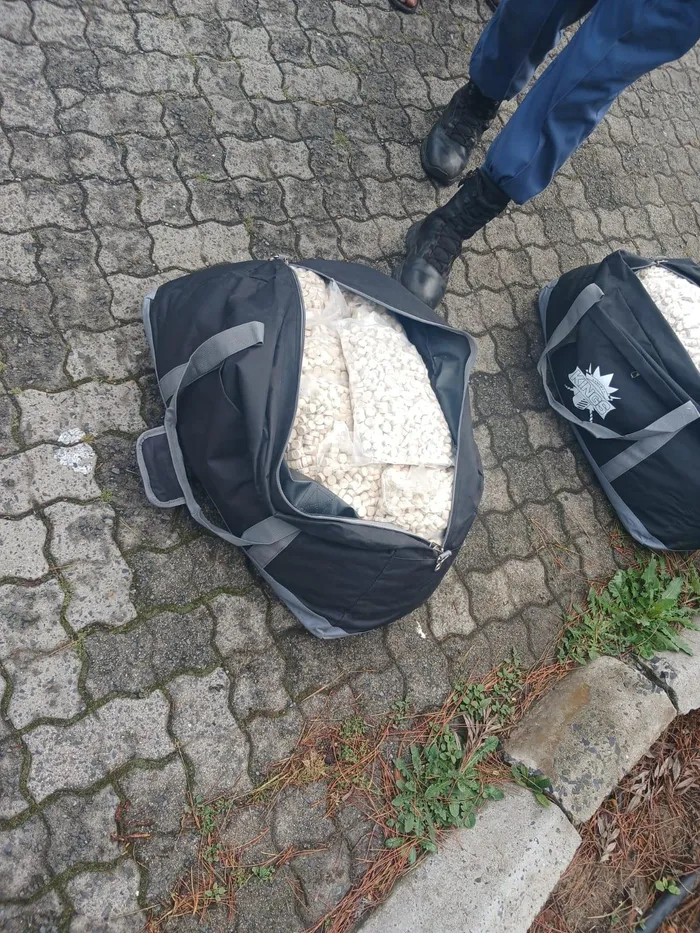
For years, South Africa has been a hub for the illicit cigarette trade and other underground economies that operate in plain sight. Despite repeated warnings from watchdogs, the state has largely failed to clamp down, leaving taxpayers to shoulder the burden of a multi-billion-rand black market.
Billions Lost, Services Starved
According to the AU report, billions that should be funding hospitals, schools, housing projects, and public safety are vanishing into criminal networks. At a time when unemployment remains sky-high and service delivery protests sweep the nation, critics argue that government’s inaction amounts to a betrayal of its people.

“Every rand lost to illicit trade is a rand stolen from citizens who desperately need basic services,” said one Johannesburg resident, frustrated by years of crumbling infrastructure. “We pay our taxes, but where is the return when government allows criminals to operate freely?”
A Call for National Emergency
Civil society groups and business leaders are calling for President Cyril Ramaphosa’s administration to declare illicit trade a national emergency. They argue that the unchecked criminal economy is not only draining state coffers but also fueling organised crime, smuggling networks, and even terrorism financing.
“There is very little willpower by both the government and specifically law enforcement to bring criminals to book,” warned Yusuf Abramjee, founder of Tax Justice SA. “Corruption is a major problem. Without decisive leadership, South Africa risks losing control of its economy.”

How the Black Market Thrives
Analysts say South Africa’s porous borders, weak law enforcement, and compromised customs officials make it an easy playground for smugglers. Cheap illicit cigarettes, often selling for less than half the legal price, are widely available across townships, taxi ranks, and spaza shops.
The trade is not only undercutting legitimate businesses and costing jobs, but it is also undermining public health campaigns. Smokers are drawn to low-cost, unregulated products, many of which do not comply with safety standards.
The problem extends far beyond cigarettes: counterfeit alcohol, illegal mining, fuel smuggling, and pirated goods are all part of a vast shadow economy that continues to flourish while enforcement agencies appear paralysed.
Corruption at the Core
Experts agree that corruption lies at the heart of the crisis. Syndicates allegedly pay bribes to customs officials and law enforcement officers, ensuring that illicit goods move through borders and roadblocks with little interference.

“South Africa has some of the best laws on paper, but almost no implementation,” said an anti-corruption activist. “The criminals are laughing because they know they won’t be touched.”
Time Running Out
The AU’s damning report has renewed pressure on the state to act decisively. Economists warn that unless the illicit trade is confronted head-on, South Africa’s already fragile economy will sink deeper into crisis.
For now, the calls for a crackdown are growing louder. Civil society organisations are demanding stricter border controls, independent oversight of customs and excise, and the prosecution of high-level officials implicated in corruption.
The question remains: will government finally act, or will South Africans continue to watch billions disappear while their communities languish without adequate services?

As Abramjee cautions, “This is not just about money it’s about justice. It’s about protecting the very future of our country.”
About the Author