Gauteng Completes 21 GBVF Directives as Lesufi Reports Progress in 90-Day Plan
 Viable News Team
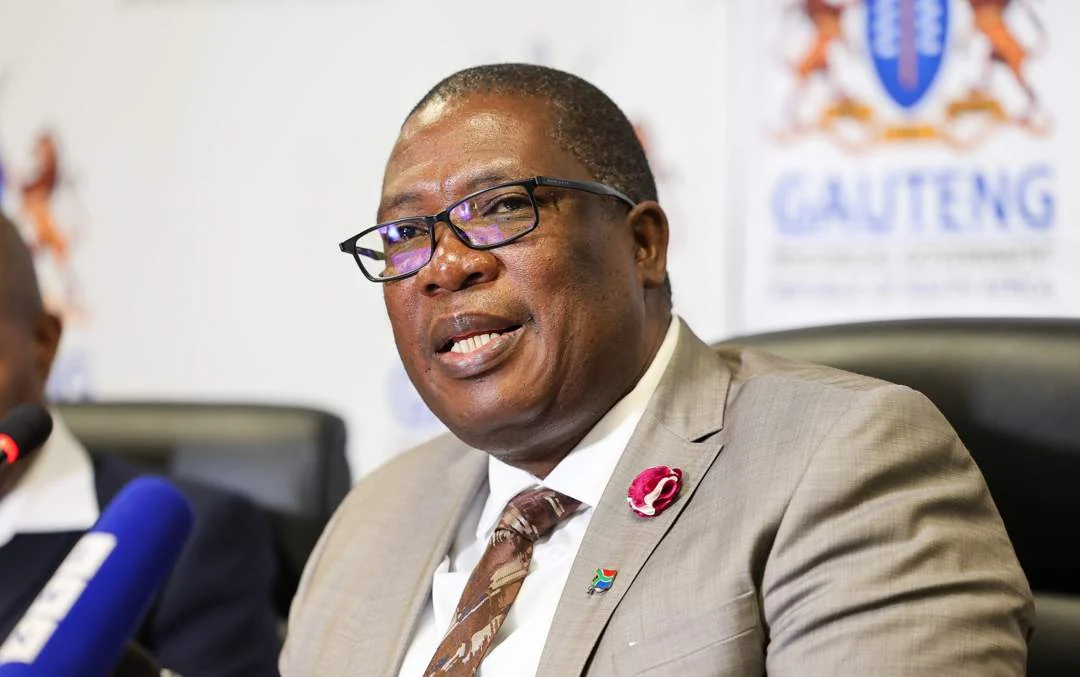
Gauteng has completed 21 of the 67 directives introduced to strengthen the fight against gender-based violence and femicide (GBVF), Premier Panyaza Lesufi has announced.
The update was delivered on Sunday, 1 November 2026, approximately 33 days into the 90-day intervention period set by President Cyril Ramaphosa. A further 38 directives are being implemented, while eight have not yet started.
Lesufi said four directives that previously showed no progress had since moved into the implementation stage. The provincial government is using weekly monitoring and reporting to track progress across its departments and municipalities.
Crime kits recovered across all five districts
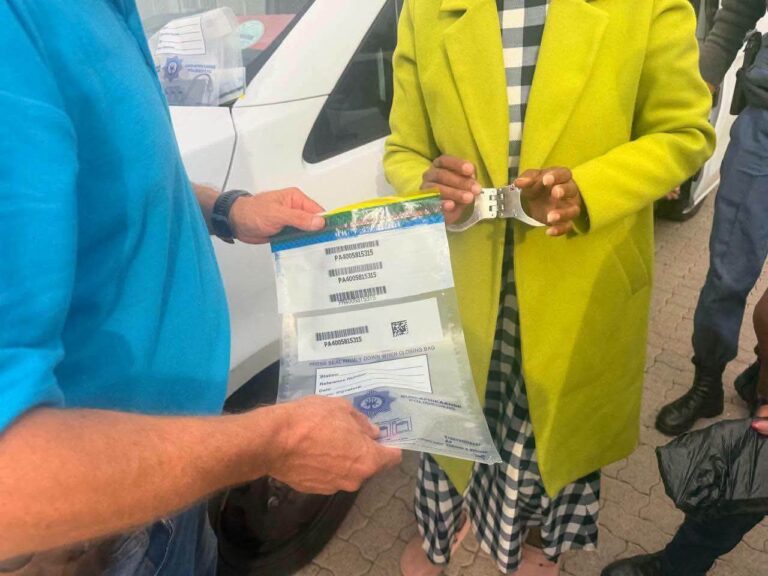
One of the key developments involves the recovery of crime kits from Thuthuzela Care Centres across Gauteng’s five districts.
According to Lesufi, the kits have been collected and submitted to the Forensic Science Laboratory for processing. The move is intended to strengthen the handling of forensic evidence and assist investigations involving sexual offences.
Investigating officers are also expected to carry crime kits when attending medical examinations to prevent evidence from being left behind and to reduce delays.
The province is working on several other measures to address forensic backlogs, including recovering missing case dockets, improving police station procedures and strengthening the monitoring of missing-persons cases.
An Identification Task Team has also been established to conduct a digital fingerprint audit aimed at identifying unidentified women and children.
More response teams deployed in high-risk areas
The provincial government has also expanded its efforts to improve responses to reports of violence against women and children.
Lesufi reported that 1,022 GBV response teams had been deployed across 122 high-risk areas. The province has also added 56 social workers to strengthen support for victims and survivors.
Additional interventions include strengthening seven specialised Sexual Offences Courts, improving 144 victim-friendly facilities and involving all 19 provincial Medical Legal Clinics in efforts to protect forensic evidence.
Gauteng currently has 18 shelters providing 363 beds and seven Thuthuzela Care Centres. Psychosocial support services have also reached tens of thousands of people over the past six months.
Municipalities tackle unsafe public spaces
Municipal safety audits form another part of the intervention plan, with local authorities required to identify places that could expose women and children to danger.
In Johannesburg, authorities have mapped high-risk areas and prepared 10 previously hijacked or illegally occupied buildings for public reuse.
In Tshwane, overgrown vegetation around high-risk public transport stations has been cleared, while Ekurhuleni has completed inspections at local taxi ranks and identified faulty CCTV systems that require repairs.
Safety audits are between 60% and 80% complete in most municipalities, according to the provincial update.
Crackdown on liquor outlets
The province is also targeting alcohol-related violence through stricter enforcement of liquor regulations.
Authorities have conducted 7,322 inspections at liquor outlets, resulting in 20 closures and 459 notices for non-compliance. A further 566 outlets were referred to the Liquor Inspectorate for additional inspections.
Officials have also carried out 41 joint enforcement operations with other stakeholders.
Lesufi said three of the eight directives linked to liquor enforcement had been completed, while the remaining five were being implemented.
Challenges remain despite progress
Despite the reported progress, the provincial government acknowledged that significant work remains, particularly in reducing forensic laboratory backlogs, obtaining outstanding information on criminal cases and completing municipal safety interventions.
The 90-day programme follows President Ramaphosa’s 29 September address, in which he called for urgent action to resolve outstanding murder, attempted murder, rape and serious sexual offence cases involving women and children.
The national intervention also focuses on clearing forensic backlogs, improving safety in public spaces and reducing alcohol-related violence.
Lesufi said the province would continue monitoring outstanding work and improving coordination between government departments and municipalities.
The premier stressed that protecting women and children remained an urgent priority, adding that delays in the justice system undermine efforts to hold perpetrators accountable.
About the Author