Cachalia Rebukes Masemola Over Premature Return of KZN Political Killing Dockets
 Viable News Team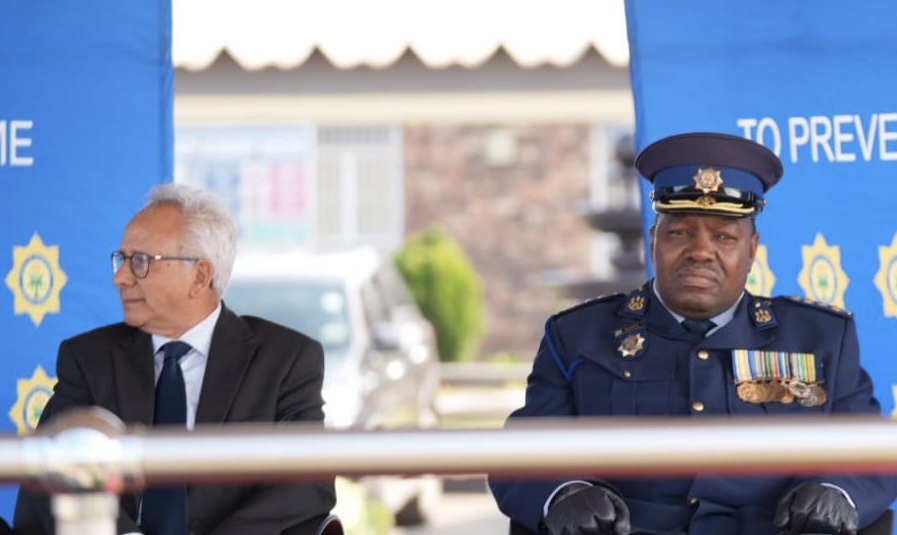
A Leadership Clash Ahead of Madlanga Commission Hearings
South Africa’s law enforcement leadership has been thrown into fresh controversy after Acting Police Minister Professor Firoz Cachalia openly criticised National Police Commissioner General Fannie Masemola for reinstating 121 case dockets to the KwaZulu-Natal Political Killings Task Team (PKTT).

Cachalia warned that the decision announced just days before the start of the Madlanga Commission of Inquiry could compromise the independence and integrity of the probe into corruption, political meddling, and criminal syndicates within the South African Police Service (SAPS).
The commission, chaired by retired Constitutional Court Justice Mbuyiseli Madlanga, is scheduled to begin public hearings on 1 September 2025 following months of logistical delays.
Background to the Dispute
Masemola revealed at the 27th Interpol African Regional Conference in Cape Town that the contested dockets, which include cases of murder, attempted murder, and intimidation, would be processed at SAPS headquarters in Pretoria before being returned to the KZN team.
“These cases are complex,” Masemola explained. “They involve multiple layers from political rivalries to organised crime networks and progress takes time.” He added that any signs of tampering would trigger further scrutiny and pledged to expand similar task teams to Gauteng and other provinces facing politically linked violence.

Cachalia, however, said the timing was “deeply concerning.” In his official response on 29 August 2025, he emphasised:
“The Task Team is at the centre of the allegations that the Commission must address. It is therefore troubling that steps are being taken before the Commission has had the chance to examine the matter.”
He further demanded a long-overdue report from Masemola on the task team’s operations.
The KZN Violence Context
KwaZulu-Natal remains the epicentre of political violence in South Africa. Since 2011, more than 300 politically motivated killings have been recorded, many linked to intra-party conflicts within the ANC, taxi industry rivalries, and disputes over public resources.
The Political Killings Task Team was established in 2019, following recommendations from the Moerane Commission of Inquiry (2016), to investigate these cases. Its work has been fraught with allegations of interference and cover-ups.
Earlier this year, the unit was nearly dismantled after the abrupt removal of its case files in March 2025, allegedly ordered by suspended Deputy National Commissioner Shadrack Sibiya. KZN Police Commissioner Lt-Gen Nhlanhla Mkhwanazi later accused senior SAPS officials of protecting powerful figures, including controversial businessman Vusimuzi “Cat” Matlala, said to have ties to a transnational drug syndicate.
Mkhwanazi claimed that several of the withheld dockets had prosecutorial approval for arrests, but their withdrawal amounted to obstruction of justice.
Political and Public Reactions
The standoff between Cachalia and Masemola has divided opinion.

- Supporters of Masemola argue SAPS cannot afford to pause investigations while waiting for commissions of inquiry, praising him for “taking decisive action.”
- Critics of Cachalia mocked him on social media, suggesting he is trying to “protect the ANC’s dirty secrets.”
- Others, however, backed the acting minister’s caution, arguing that prematurely handling sensitive evidence could undermine accountability.
The dispute also unfolds within the broader framework of the Government of National Unity (GNU), formed after the ANC lost its outright majority in 2024. Transparency and reform in policing were central promises of the GNU deal, making the Madlanga Commission a political litmus test for the coalition’s credibility.
Despite the turmoil, the PKTT has scored notable breakthroughs in 2025:
- Arrests in the long-delayed case of Sindiso Magaqa, the slain ANC Youth League secretary-general.
- The apprehension of five suspects linked to the 2023 murder of DA councillor Nhlalayenza Ndlovu.
These developments, though limited, show progress is possible when investigations are shielded from interference.
About the Author