Tensions in Command? SANDF Denies Claims of Defiance Amid Ministerial Clash
 Viable News Team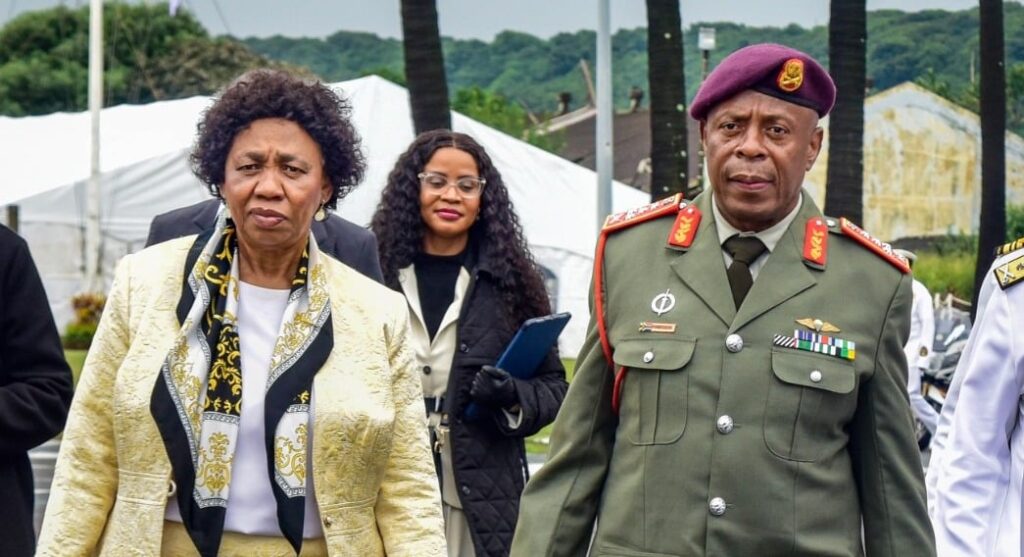
By [Viable Media]
The South African National Defence Force (SANDF) is pushing back hard against claims of internal insubordination, labelling recent media reports that its Chief is defying the Minister of Defence and Military Veterans as “irresponsible” and “misleading.” The statement comes amid rising speculation about a rift at the highest levels of the country’s defence establishment a controversy that some believe could signal deeper institutional fractures.
At the heart of the storm is General Rudzani Maphwanya, the SANDF Chief, who, according to City Press, has allegedly vowed to ignore a direct order from Defence Minister Angie Motshekga to reinstate a colonel. The publication claims that Maphwanya is not only defying the instruction but intends to continue doing so, thereby raising serious concerns about civil-military relations in a constitutional democracy.
But the SANDF isn’t having it.
In a sharply worded response, the Defence Force rejected the allegations, calling them both incorrect and damaging. “These claims are misleading and do not reflect the reality or context of the matter,” the SANDF said. “The suggestion that the Chief is acting in defiance of the Minister is unfounded and disregards proper internal military procedures.”
The Iran Visit: A Broader Pattern?
Adding fuel to the fire, the Presidency recently labelled General Maphwanya’s official visit to Iran as “ill-advised” a rare public rebuke from the executive branch. While the details of the visit remain unclear, it has raised eyebrows both within diplomatic circles and among defence analysts. Was it a sanctioned engagement aligned with South Africa’s foreign policy, or an independent move that bypassed ministerial oversight?
For critics, the Iran trip, combined with the alleged refusal to carry out the Minister’s directives, may point to a troubling trend of blurred lines between military authority and political leadership.
“It’s a precarious situation,” says defence analyst Dr. Lindokuhle Msimang. “The perception whether accurate or not that the Chief of the Defence Force is operating outside the scope of ministerial control is deeply problematic for a country governed by constitutional principles and civilian oversight.”
Media Responsibility vs. State Transparency
The SANDF’s rebuttal also raises questions about media responsibility in reporting on sensitive military matters. Accusing City Press of publishing without a full understanding of the facts, the military force implied that such reporting undermines both public trust and institutional morale.
However, media watchdogs warn that transparency must not be sacrificed at the altar of unity.
“Media organisations have a duty to investigate and report potential misconduct or irregularities, especially within powerful institutions,” says journalism professor Nomvula Tambo. “But it must be balanced with fairness and accuracy. If the SANDF believes the reporting is inaccurate, they must offer detailed clarification not just dismiss the allegations.”
Civil-Military Relations at a Crossroads
At stake is more than just a personnel dispute it is the integrity of South Africa’s civil-military dynamic.
According to the Constitution, the President is the Commander-in-Chief of the Defence Force, with the Minister of Defence acting as the political head responsible for oversight. The SANDF Chief, while holding immense operational authority, is still expected to operate within the chain of command and under political direction.
If the allegations are true, it would suggest a rare and concerning breach of this hierarchy. If they are false, then the military’s strong denial is a rightful defence of its credibility and perhaps a warning against politicisation of internal defence matters.
What’s Next?
Neither Minister Angie Motshekga nor General Maphwanya has made a public appearance since the controversy broke, but political observers expect Parliament’s Defence Committee to seek answers. Calls are growing for an independent inquiry into the dispute, particularly surrounding the decision to suspend or reinstate the unnamed colonel.
“This isn’t just about one colonel or one foreign trip,” says Msimang. “It’s about the health of our democracy and the principle that armed forces serve the people, under the guidance of elected leaders not the other way around.”
As the story unfolds, one thing is clear: public confidence in the SANDF and its leadership hinges not just on military discipline, but on transparency, accountability, and an unshakeable commitment to democratic norms.
About the Author