BREAKING: Condom prices to increase by up to 30% due to ongoing tensions linked to the Iran–US–Israel conflict
 Viable News Team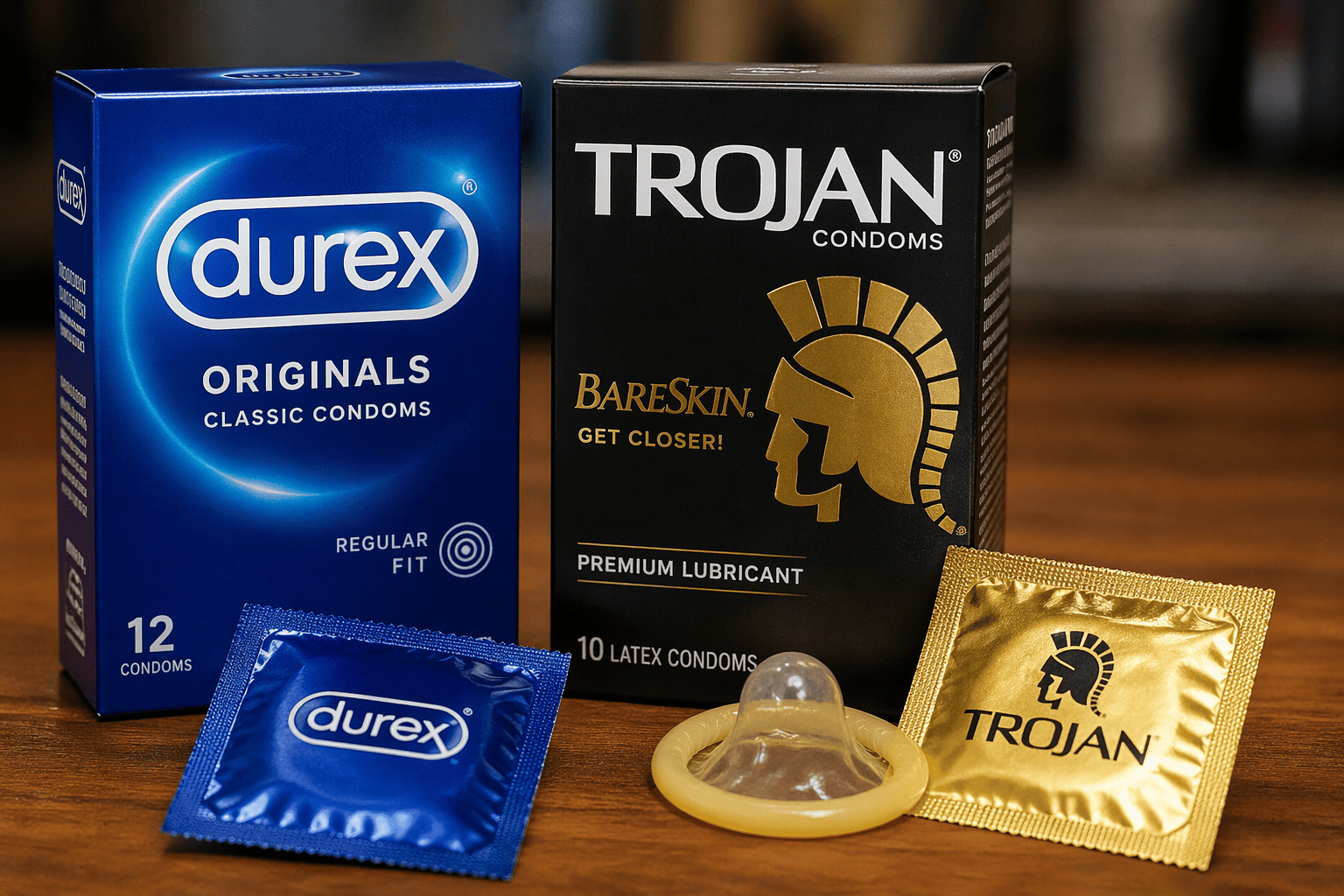
The world’s largest condom manufacturer, Karex, has warned that prices could rise by as much as 30% or even higher if ongoing tensions linked to the Iran–US–Israel conflict continue to disrupt global supply chains.
Karex CEO Goh Miah Kiat said production costs have surged due to the impact of the conflict on key raw materials. The Malaysia-based company produces more than five billion condoms annually and supplies major global brands such as Durex and Trojan, as well as public health systems like the UK’s National Health Service.
World's biggest condom maker to raise prices due to Iran war https://t.co/DkpbmqcZEb
— BBC News (World) (@BBCWorld) April 22, 2026
At the heart of the disruption is the Strait of Hormuz, a critical global shipping route through which around 20% of the world’s oil and liquefied natural gas typically passes. Threats to vessels in the region have significantly restricted movement, driving up energy prices and affecting industries reliant on petroleum-based materials.
Karex depends on oil-derived inputs such as ammonia used to preserve latex and silicone-based lubricants. Rising freight costs and shipping delays have compounded the issue, contributing to shortages and increased production expenses.
📈 Condoms could rise 20–30% in price due to the Iran war
— NEXTA (@nexta_tv) April 22, 2026
The world’s largest producer — Malaysia’s Karex, which makes one in five condoms globally and supplies brands like Durex and public health programs — has warned of price increases.
According to its CEO, the conflict has… pic.twitter.com/D67HywpCPt
Despite higher prices, demand for condoms has surged by approximately 30% this year. Goh noted that economic uncertainty often leads to increased demand for contraceptives, as people seek to avoid additional financial strain.
The ripple effects of the conflict are being felt across multiple industries. Airfares have risen sharply, fertiliser prices are climbing, and shortages of materials like helium used in semiconductor production are emerging. Even everyday goods, including bottled water, are facing supply pressures.
The United Nations has also warned that food prices including sugar, dairy, and fruit are likely to increase due to higher transportation costs.
Meanwhile, uncertainty remains around diplomatic efforts. Donald Trump recently indicated that a ceasefire between the US and Iran would be extended as negotiations continue, though the long-term outlook remains unclear.
The situation highlights how geopolitical tensions can quickly translate into higher costs for everyday products, affecting consumers worldwide.
About the Author