Operation Dudula Members Released on Warning After Disrupting Clinic Services
 Viable News Team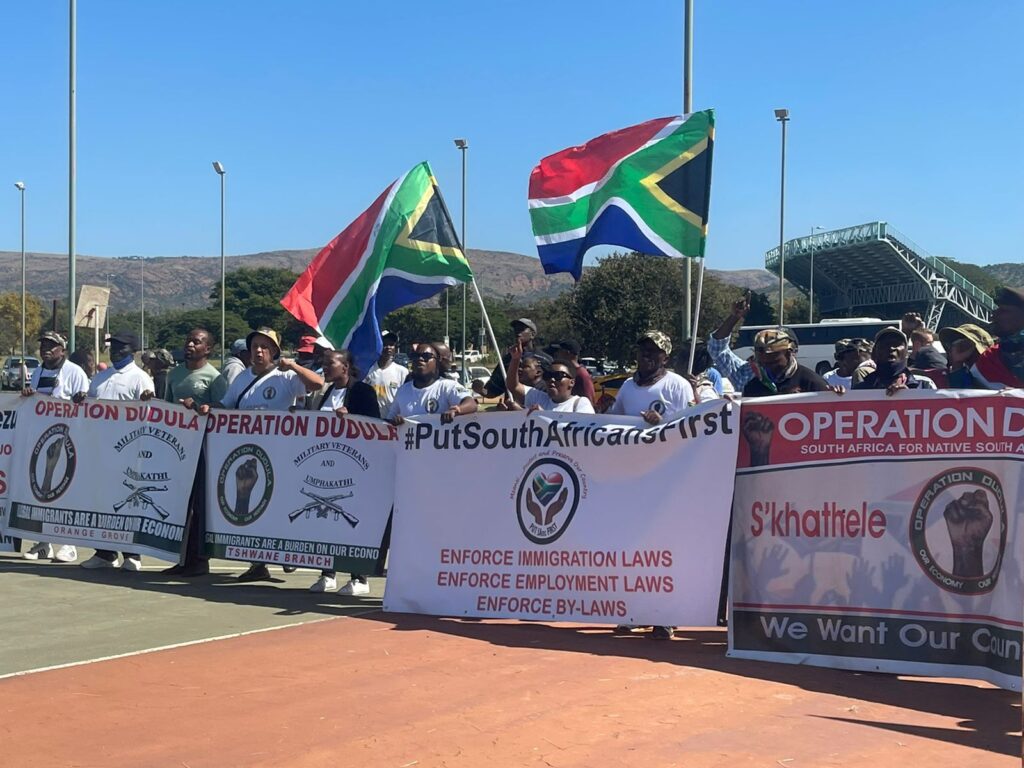
Johannesburg – Tensions flared in the heart of the public healthcare system this week after three members of the anti-immigration group Operation Dudula were arrested for disrupting operations at the Lilian Ngoyi Clinic. The women, aged between 49 and 60, appeared in court facing charges of public violence, trespassing, and contravention of the National Health Act. They have since been released on a warning pending further legal proceedings.
The incident unfolded when the trio allegedly stormed the clinic’s maternity ward, demanding identification documents from patients in a reported attempt to verify their nationalities. Their actions caused significant disruption to the delivery of healthcare services and left both patients and staff distressed and alarmed. Witnesses described the scene as chaotic, with expectant mothers and nurses caught off guard by the intrusion.
The Lilian Ngoyi Clinic, located in Johannesburg, is a critical facility for maternal and child healthcare in the region, and the disruption was widely condemned by health professionals and rights organizations alike. Authorities were called to the scene, and the three women were taken into custody shortly after the confrontation. The state later confirmed that their conduct constituted not only a violation of health regulations but also an infringement on the rights of patients to access care without intimidation or interference.
The incident has reignited a broader national debate around Operation Dudula, a controversial movement that has gained notoriety for its aggressive stance on undocumented migrants. While the group claims to be advocating for the rights of South Africans by targeting what it perceives as the unfair use of public resources by foreign nationals, its tactics have drawn criticism for fostering xenophobia and undermining the rule of law.
Human rights organizations and healthcare advocacy groups have been swift in their response to the incident. Many have raised concerns about the rising trend of politicized actions targeting vulnerable groups, particularly in spaces that are meant to be safe and accessible to all, such as hospitals and clinics. Critics argue that the weaponization of healthcare facilities to advance nationalist agendas poses a dangerous threat to the integrity of the public health system and to the basic rights enshrined in the Constitution.
The Gauteng Department of Health has yet to issue a detailed statement but is expected to review security protocols at its facilities following the breach. Legal experts warn that while the women have been released on a warning, the charges against them remain serious and could result in significant penalties if they are found guilty.
Meanwhile, the affected patients and staff at Lilian Ngoyi Clinic are slowly recovering from the disruption, but the psychological toll remains. Some community members have voiced support for tighter security at healthcare centers, while others have expressed concern about the continued targeting of migrants and the potential for such actions to spark violence.
As the case proceeds through the legal system, the country remains divided over the actions of Operation Dudula. What is clear, however, is that the right to access healthcare free from fear, prejudice, or intimidation has once again been thrust into the national spotlight.
About the Author